
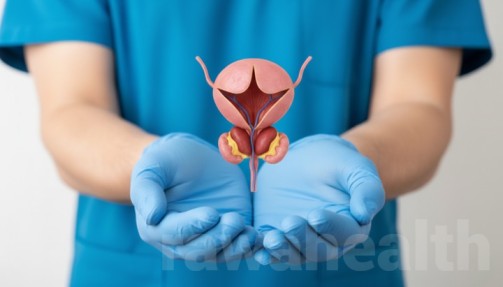
Prostate Removal Surgery – Prostatectomy
Prostate removal surgery, also called prostatectomy, treats prostate cancer, benign prostatic hyperplasia (BPH), and other severe prostate conditions. Surgeons remove part or all of the prostate to restore urinary function, prevent cancer progression, and improve quality of life.
This guide covers what prostate removal surgery is, indications, types, step-by-step procedure, recovery, benefits, risks, cost in India, and life after surgery.
What Is Prostate Removal Surgery?
Prostate removal surgery involves excising either the entire prostate gland (radical prostatectomy) or a portion of it (simple prostatectomy) based on the patient’s condition. Surgeons perform the operation using open, laparoscopic, or robotic-assisted techniques, which reduce trauma and allow faster recovery.
The primary goal is to remove cancerous tissue or relieve urinary obstruction. Most patients notice improved urinary flow, decreased pain, and enhanced quality of life after healing. Additionally, modern techniques focus on preserving nerves to maintain sexual function when possible.
Why Do Patients Need Prostate Removal Surgery?
Doctors recommend prostatectomy in several situations:
- Confirmed prostate cancer via biopsy
- BPH causing severe urinary obstruction
- Recurrent urinary tract infections due to enlarged prostate
- Blood in urine (hematuria) linked to prostate issues
- Difficulty emptying the bladder completely
- Failure of medications or minimally invasive treatments
Early intervention in prostate cancer reduces the risk of metastasis and improves long-term survival. Moreover, removing the prostate relieves obstructive urinary symptoms and prevents further complications.
Who Is an Ideal Candidate for Prostatectomy?
Patients suitable for prostate removal surgery usually:
- Maintain general health and can tolerate anesthesia
- Have confirmed prostate cancer or severe urinary obstruction
- Fail other medical or minimally invasive treatments
- Maintain realistic expectations about outcomes
- Do not have severe comorbidities complicating recovery
Both men with localized prostate cancer and those with symptomatic BPH benefit from surgery. Furthermore, patients with recurring urinary infections often experience significant relief post-surgery.
Types of Prostate Removal Surgery
Surgeons choose techniques based on cancer stage, prostate size, and patient health.
1. Radical Prostatectomy (Complete Prostate Removal)
Surgeons remove the entire prostate gland, seminal vesicles, and nearby lymph nodes. Techniques include:
- Open Surgery: Traditional lower abdominal incision
- Laparoscopic Surgery: Small keyhole incisions, less invasive
- Robotic-Assisted Surgery: High precision, reduced blood loss, faster recovery
2. Simple Prostatectomy (Partial Removal)
- Surgeons remove the inner portion of the prostate that causes urinary obstruction. This procedure mainly treats BPH and can be performed via open or minimally invasive approaches.
3. Transurethral Resection of the Prostate (TURP)
- TURP removes part of the prostate through the urethra. Doctors often recommend this less invasive procedure for moderate BPH.
Pre-Surgery Evaluation for Prostatectomy
Before surgery, surgeons conduct a comprehensive medical evaluation:
- Blood, urine, and ECG tests
- Imaging studies (MRI, CT scan, or ultrasound)
- Prostate biopsy results for cancer patients
- Review of medications, especially blood thinners
- Detailed discussion about anesthesia, surgical approach, and expected results
Additionally, patients receive pre-operative instructions such as fasting, catheter preparation, and avoiding smoking or certain medications.
Step-by-Step Prostate Removal Surgery Procedure
Surgeons perform prostatectomy under general anesthesia in a hospital operating room.
Anesthesia and Positioning
- Doctors sedate patients and position them for optimal access to the prostate.
Surgical Access
- Open surgery uses a lower abdominal incision to reach the prostate
- Laparoscopic/Robotic methods use small keyhole incisions with camera guidance
Prostate Removal
- Surgeons carefully separate the prostate from surrounding tissues. In radical prostatectomy, seminal vesicles and nearby lymph nodes are also removed. Nerve-sparing techniques preserve sexual function whenever possible.
Reconstruction
- Surgeons reconnect the bladder to the urethra. A catheter ensures proper urine drainage during healing.
Closing
- Surgeons close incisions with sutures or staples and apply a sterile dressing to prevent infection.
- The surgery typically lasts 2–4 hours, depending on complexity and approach.
Recovery After Prostate Removal Surgery
Immediate Recovery
- Patients stay in a recovery room for monitoring. Doctors manage pain with medications and ensure the catheter drains urine properly.
Hospital Stay
- Open surgery: 5–7 days
- Laparoscopic/robotic: 2–4 days
At Home
- Patients can resume light activities after 2–3 weeks. Heavy lifting or strenuous exercises should be avoided for 6–8 weeks. Hydration, wound care, and infection monitoring are essential.
Follow-Up
- Cancer patients undergo regular PSA tests. Additionally, patients receive catheter care instructions and guidance for urinary function monitoring.
Benefits of Prostate Removal Surgery
- Removes cancerous tissue or relieves urinary obstruction
- Improves urinary flow and bladder emptying
- Reduces risk of cancer spreading (radical prostatectomy)
- Minimally invasive techniques allow faster recovery
- Enhances overall quality of life
Most patients report significant relief from urinary symptoms and increased energy levels after healing.
Risks and Complications of Prostatectomy
While prostatectomy is generally safe, potential risks include:
- Urinary incontinence (often temporary)
- Erectile dysfunction (nerve-sparing surgery reduces risk)
- Bleeding or infection
- Blood clots
- Rare injury to nearby organs
Careful surgical planning and diligent post-operative care reduce complication rates significantly.
Life After Prostate Removal Surgery
Post-surgery, patients experience:
- Improved urinary function and bladder emptying
- Gradual recovery of sexual function if nerves were preserved
- Ability to resume daily activities within weeks
- Long-term monitoring ensures health and prevents recurrence
Maintaining a healthy lifestyle and following doctor instructions support long-term recovery.
Prostate Removal Surgery Cost in India
| Prostatectomy Type | Cost (USD) |
|---|---|
| Open Radical Prostatectomy | $4,000 – $7,000 |
| Laparoscopic Radical Prostatectomy | $5,000 – $9,000 |
| Robotic-Assisted Prostatectomy | $7,000 – $12,000 |
| Simple Prostatectomy (BPH) | $3,500 – $6,000 |
| TURP (Minimally Invasive BPH) | $2,500 – $5,000 |
Cost varies depending on hospital, surgeon, and complexity.
Conclusion
Prostate removal surgery is a safe, effective, and life-saving procedure for patients with prostate cancer or severe BPH. Modern laparoscopic and robotic-assisted prostatectomy techniques offer precision, minimal pain, and faster recovery. Most patients experience improved urinary function, reduced cancer risk, and enhanced quality of life. With proper planning, skilled surgeons, and diligent post-operative care, prostatectomy provides excellent long-term outcomes.
Our Step-by-Step Process – How We Work
- Initial Consultation: Understand medical history, concerns, and goals for personalized guidance.
- Personalized Treatment Plan: Customized plan with recommended treatment, costs, and timeline.
- Travel & Preparation: Visa, airport transfers, accommodation, and language support.
- Scheduling & Procedure: Treatment at top hospitals with experienced doctors using advanced technology.
- Aftercare & Follow-Up: Nursing care, follow-ups, and continuous support for smooth recovery.
Why Patients Choose India for Medical Treatment
- Expert Doctors & Specialists: Highly skilled, internationally trained doctors handle advanced procedures and complex surgeries.
- State-of-the-Art Hospitals: Modern hospitals with latest technology and international accreditations ensure world-class treatment.
- Affordable Costs: Medical care in India is 60%–70% cheaper than in Western countries without compromising quality.
- Quick Access: Minimal waiting times allow patients to get treated promptly.
- End-to-End Support: Visa, airport transfers, accommodation, language translation, and post-treatment follow-up provided.
- High Success Rates: Proven track record in surgeries, transplants, and advanced treatments.
- Personalized Care: Individual attention ensures a smooth, safe, and comfortable medical journey.