
Deep Brain Stimulation Surgery
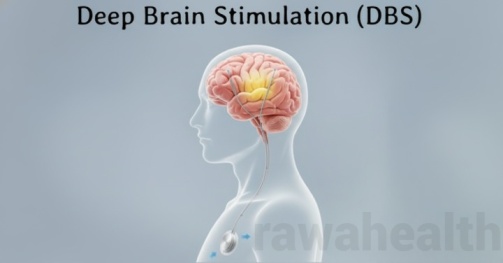
Deep Brain Stimulation surgery (DBS) is a revolutionary neurosurgical procedure used to treat movement disorders, including Parkinson’s disease, essential tremor, and dystonia. The surgery involves implanting electrodes in specific areas of the brain to regulate abnormal neural activity. These electrodes connect to a pulse generator placed under the skin, which sends electrical impulses to control symptoms.
This guide explains what DBS surgery is, who is eligible, indications, types of procedures, step-by-step process, recovery, benefits, risks, cost in India, and life after surgery.
What Is Deep Brain Stimulation Surgery (DBS)?
DBS surgery is a minimally invasive neurosurgical treatment where surgeons implant electrodes in targeted brain regions to modulate abnormal activity. Unlike traditional brain surgery, DBS is adjustable and reversible, meaning doctors can fine-tune stimulation without removing brain tissue.
Patients typically experience significant reduction in tremors, stiffness, and movement-related symptoms, improving quality of life. Furthermore, DBS can reduce the need for high doses of medication, which often cause side effects over time.
Why Is Deep Brain Stimulation Surgery Needed?
Doctors recommend DBS when patients do not respond adequately to medications or experience severe side effects. Common indications include:
- Parkinson’s disease with motor fluctuations or tremors
- Essential tremor causing severe hand shaking
- Dystonia affecting posture or muscle control
- Obsessive-compulsive disorder (OCD) in select cases
- Medication-resistant epilepsy in certain patients
Moreover, DBS is considered when symptoms severely affect daily life, work, or independence. Early intervention often yields better outcomes, while careful patient selection ensures safety.
Who Is an Ideal Candidate for DBS Surgery?
Ideal candidates typically:
- Have movement disorders not well-controlled by medications
- Are between 18–75 years old (age limits may vary)
- Maintain general health to tolerate anesthesia and surgery
- Do not have severe cognitive impairment or psychiatric disorders
- Exhibit realistic expectations about benefits and limitations
Patients with Parkinson’s disease often benefit most when surgery is performed before severe disability develops.
Types of Deep Brain Stimulation Surgery
Surgeons choose DBS techniques based on the disorder and target area of the brain:
1. Parkinson’s Disease DBS
Electrodes are commonly placed in:
- Subthalamic nucleus (STN) – most common for advanced Parkinson’s
- Globus pallidus interna (GPi) – preferred for patients with dyskinesias
2. Essential Tremor DBS
- Electrodes target the ventral intermediate nucleus (VIM) of the thalamus to reduce tremors.
3. Dystonia DBS
- Targets include GPi or thalamic nuclei to control abnormal muscle contractions.
4. Psychiatric or Epilepsy DBS
- In specialized centers, DBS targets the anterior limb of the internal capsule or hippocampus to reduce symptoms of OCD or epilepsy.
- Modern DBS systems allow programming adjustments post-surgery, offering personalized symptom control.
Pre-Surgery Evaluation for DBS
Before DBS, patients undergo comprehensive evaluation:
- Neurological and psychological assessments
- Brain imaging (MRI or CT scan) to map target areas
- Medication review and optimization
- Discussion about surgical risks, expected benefits, and lifestyle impact
- Neurophysiological testing to identify precise stimulation targets
Doctors may simulate DBS effects using external devices before implanting electrodes to ensure accuracy.
Step-by-Step Deep Brain Stimulation Surgery Procedure
Doctors usually perform DBS surgery in two stages: electrode implantation and pulse generator placement.
Stage 1 – Electrode Implantation
- Surgeons position the patient in a stereotactic frame to achieve precise brain targeting.
They administer local anesthesia with mild sedation while keeping the patient awake.
Using real-time imaging and neurophysiological monitoring, surgeons insert electrodes into specific areas of the brain.
They test the patient’s symptom response to confirm accurate electrode placement.
Stage 2 – Pulse Generator Placement
- Surgeons create a small incision near the chest or abdomen.
They implant the pulse generator (neurostimulator) beneath the skin.
Surgeons connect the brain electrodes to the generator using subcutaneous wires.
They close all incisions with sutures.
Post-Implant Programming
- Neurologists adjust the stimulation settings to achieve optimal symptom control.
Patients often require several programming sessions over weeks to months for fine-tuning. - The complete procedure typically takes 4–8 hours, depending on the complexity of the case and the number of electrodes used.
Recovery After DBS Surgery
Immediate Recovery
- Patients rest in a hospital room for monitoring
- Vital signs, incision sites, and neurological function are closely observed
- Pain is managed with medications
Hospital Stay
- Typically 1–3 days for uncomplicated DBS
- Longer for bilateral electrode implantation or complications
At Home
- Light activities can resume within 1–2 weeks
- Avoid strenuous activity or heavy lifting for 4–6 weeks
- Keep surgical sites clean and dry
Follow-Up
- Regular visits for device programming and symptom assessment
- MRI-compatible precautions may be advised
- Long-term neurologist follow-up ensures maximum benefits
Benefits of Deep Brain Stimulation Surgery
- Significant reduction in tremors, stiffness, and abnormal movements
- Adjustable and reversible stimulation
- Decreased dependence on medications and reduced side effects
- Improved ability to perform daily activities
- Enhanced quality of life and independence
Patients often report dramatic improvement in motor function and overall comfort within weeks.
Risks and Complications of DBS Surgery
Although generally safe, DBS carries some risks:
- Infection at incision or electrode site
- Bleeding in the brain (rare)
- Hardware complications (lead migration or breakage)
- Temporary or permanent neurological deficits
- Mood changes or cognitive effects
Choosing an experienced neurosurgeon and adhering to post-op care significantly reduces complications.
Life After DBS Surgery
After recovery, patients can:
- Perform daily activities with improved mobility
- Reduce medication doses and side effects
- Adjust device settings to control specific symptoms
- Travel, work, and exercise with minor limitations
Regular neurologist visits ensure the device functions optimally and symptoms remain controlled.
DBS Surgery Cost in India
| DBS Surgery Type | Cost (USD) |
|---|---|
| Unilateral DBS | $14,000 – $32,000 |
| Bilateral DBS | $18,000 – $35,000 |
| Device Replacement / Upgrade | $3,000 – $6,000 |
| Programming & Follow-Up | $500 – $1,000 per session |
Costs vary based on hospital, surgeon expertise, and device brand.
Conclusion
Deep Brain Stimulation (DBS) surgery is a safe, effective, and life-changing treatment for patients with movement disorders. Modern techniques, including robotic-assisted electrode placement and programmable neurostimulators, allow precise symptom control and faster recovery. Most patients experience significant improvement in tremors, rigidity, and daily function, along with reduced dependence on medications. With proper patient selection, skilled neurosurgeons, and consistent follow-up, DBS offers long-term benefits and enhanced quality of life for patients worldwide.
Our Step-by-Step Process – How We Work
- Initial Consultation: Understand medical history, concerns, and goals for personalized guidance.
- Personalized Treatment Plan: Customized plan with recommended treatment, costs, and timeline.
- Travel & Preparation: Visa, airport transfers, accommodation, and language support.
- Scheduling & Procedure: Treatment at top hospitals with experienced doctors using advanced technology.
- Aftercare & Follow-Up: Nursing care, follow-ups, and continuous support for smooth recovery.
Why Patients Choose India for Medical Treatment
- Expert Doctors & Specialists: Highly skilled, internationally trained doctors handle advanced procedures and complex surgeries.
- State-of-the-Art Hospitals: Modern hospitals with latest technology and international accreditations ensure world-class treatment.
- Affordable Costs: Medical care in India is 60%–70% cheaper than in Western countries without compromising quality.
- Quick Access: Minimal waiting times allow patients to get treated promptly.
- End-to-End Support: Visa, airport transfers, accommodation, language translation, and post-treatment follow-up provided.
- High Success Rates: Proven track record in surgeries, transplants, and advanced treatments.
- Personalized Care: Individual attention ensures a smooth, safe, and comfortable medical journey.