VSG Surgery (Vertical Sleeve Gastrectomy) Overview
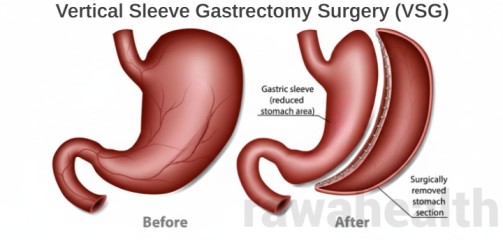
VSG Surgery, medically called Vertical Sleeve Gastrectomy, has become a popular bariatric procedure that helps people achieve significant and lasting weight loss. During the surgery, doctors remove a large portion of the stomach to create a smaller, sleeve-shaped stomach. This reduces the stomach’s capacity, limits food intake, and helps patients feel full faster, which promotes weight loss.
VSG works as both a restrictive and metabolic procedure. It not only restricts how much food a patient can eat but also changes hormones that control hunger, fullness, and blood sugar levels. Over the past decade, VSG has emerged as one of the most common weight-loss surgeries worldwide because of its effectiveness, relative simplicity, and lower complication rates compared to more complex bariatric procedures
What is VSG Surgery?
Vertical Sleeve Gastrectomy (VSG Surgery) involves surgically removing approximately 75–80% of the stomach, leaving a narrow, vertical tube or “sleeve.” This significantly reduces the stomach’s volume from about 1 liter to around 150–200 ml, restricting the amount of food that can be consumed in one sitting.
In addition to restricting stomach size, VSG Surgery affects gut hormones such as ghrelin, which is responsible for hunger signals. The combination of physical restriction and hormonal changes leads to appetite reduction, early satiety, and improved metabolism.
Unlike procedures like gastric bypass, VSG does not reroute the intestines, making it technically simpler while still producing significant weight loss results.
Who is a Candidate for VSG Surgery?
VSG Surgery is generally recommended for individuals who are:
- Morbidly obese (BMI ≥ 40 kg/m²)
- Severely overweight (BMI ≥ 35 kg/m²) with associated comorbidities such as:
- Type 2 diabetes
- High blood pressure
- Sleep apnea
- High cholesterol
Unable to achieve sustainable weight loss through diet, exercise, or medical therapy
Considerations for Candidates
Ideal candidates should:
- Be physically and psychologically prepared for lifestyle changes
- Understand the long-term dietary and lifestyle commitments
- Not have untreated psychiatric disorders or substance abuse issues
- Be motivated to follow post-surgery nutrition and exercise plans
Certain individuals may require extra evaluation, including:
- Patients with previous abdominal surgeries
- Those with severe gastroesophageal reflux disease (GERD)
- Individuals with nutritional deficiencies or malabsorption syndromes
Preparation for VSG Surgery
Pre-Surgery Consultation
Before undergoing VSG Surgery, patients undergo a comprehensive medical evaluation, which includes:
- Detailed medical history and physical examination
- Blood tests and metabolic panels
- Imaging tests such as ultrasound or endoscopy
- Psychological evaluation to ensure mental readiness
Pre-Operative Instructions
Patients are advised to:
- Follow a pre-surgery diet to reduce liver size and make surgery safer
- Quit smoking several weeks before surgery to improve healing
- Avoid blood-thinning medications or supplements that increase bleeding risk
- Arrange for a responsible adult to accompany them during hospital discharge
Some surgeons may also recommend:
- Vitamin or mineral supplementation to correct deficiencies before surgery
- Exercise regimen to improve fitness and post-surgery recovery
VSG Surgery Procedure Details
Surgical Approach
VSG Surgery is typically performed laparoscopically, which is minimally invasive. This involves:
- Making small incisions in the abdomen
- Inserting a laparoscope (a thin tube with a camera) and surgical instruments
- Resecting the majority of the stomach using staplers
- Creating a narrow gastric sleeve
- Closing incisions with sutures or surgical glue
Laparoscopic surgery is preferred because it:
- Reduces pain and scarring
- Shortens hospital stay and recovery time
- Minimizes risk of infection and complications
Duration of Surgery
Typically 1–2 hours, depending on patient anatomy and surgeon experience
Hospital Stay
- Most patients stay in the hospital for 1–3 days for monitoring
- Pain management, fluid intake, and vital signs are closely observed
Risks and Benefits of VSG Surgery
Benefits
- Significant weight loss: Most patients lose 60–70% of excess body weight within 12–18 months
- Improved metabolic health: Can improve or resolve diabetes, hypertension, and sleep apnea
- Restrictive but simpler: No intestinal rerouting; fewer nutritional complications than gastric bypass
- Hormonal benefits: Appetite reduction through changes in ghrelin and other gut hormones
Risks
Like any surgery, VSG carries some risks:
- Bleeding or infection
- Staple line leak (rare but serious)
- Blood clots
- Nutritional deficiencies (especially vitamin B12, iron, calcium)
- Gastroesophageal reflux or heartburn
- Stricture formation in the gastric sleeve
Most risks can be minimized with experienced surgeons, proper pre-op evaluation, and adherence to post-op guidelines.
Recovery Process & Timeline
Immediately after VSG surgery, doctors encourage patients to start walking to reduce the risk of blood clots. Patients begin a liquid diet right away and gradually progress to soft foods over the next 2–4 weeks. In the initial days, patients may experience mild pain, bloating, and nausea.
During the first 1–3 days, patients stay in the hospital while doctors start clear liquids and closely monitor vital signs. By the end of the first week, patients may still feel mild pain and fatigue, so they continue with liquids and avoid any strenuous activity. Over the next 2–4 weeks, patients introduce soft foods, walk regularly, and follow up with their surgeon as recommended.
From the first to the third month, patients gradually transition to solid foods while maintaining consistent vitamin supplementation. Between months four and twelve, steady weight loss occurs with adherence to prescribed exercise and diet plans, alongside monitoring for any nutritional deficiencies.
Long-Term Outcomes
Weight Loss
- Most patients maintain 50–70% excess weight loss long-term
- Weight loss tends to plateau after 12–18 months
Comorbidity Resolution
- Type 2 diabetes: Significant improvement or remission in many patients
- Hypertension and cholesterol: Often reduced or normalized
- Sleep apnea: Improvement in severity or complete resolution
Nutritional Considerations
- Lifelong vitamin and mineral supplementation is often required
- Regular blood tests to monitor for deficiencies
Psychological Benefits
- Improved self-esteem and quality of life
- Reduced risk of obesity-related depression and anxiety
VSG Surgery Cost in India Compared to Other Countries
In India, the cost of VSG Surgery ranges from $4,000 to $6,500, depending on the hospital, surgeon’s expertise, and city. Most packages include the surgery, hospitalization, pre-operative tests, and post-operative follow-up care. This makes India a highly cost-effective destination for patients seeking high-quality bariatric surgery.
| Country | Cost Range (USD) |
|---|---|
| India | $4,000 – $6,500 |
| USA | $15,000 – $25,000 |
| UK | $1,0000 – $18,500 |
| Canada | $9,500 – $15,000 |
Our Step-by-Step Process – How We Work
- Initial Consultation: Understand medical history, concerns, and goals for personalized guidance.
- Personalized Treatment Plan: Customized plan with recommended treatment, costs, and timeline.
- Travel & Preparation: Visa, airport transfers, accommodation, and language support.
- Scheduling & Procedure: Treatment at top hospitals with experienced doctors using advanced technology.
- Aftercare & Follow-Up: Nursing care, follow-ups, and continuous support for smooth recovery.
Why Patients Choose India for Medical Treatment
- Expert Doctors & Specialists: Highly skilled, internationally trained doctors handle advanced procedures and complex surgeries.
- State-of-the-Art Hospitals: Modern hospitals with latest technology and international accreditations ensure world-class treatment.
- Affordable Costs: Medical care in India is 60%–70% cheaper than in Western countries without compromising quality.
- Quick Access: Minimal waiting times allow patients to get treated promptly.
- End-to-End Support: Visa, airport transfers, accommodation, language translation, and post-treatment follow-up provided.
- High Success Rates: Proven track record in surgeries, transplants, and advanced treatments.
- Personalized Care: Individual attention ensures a smooth, safe, and comfortable medical journey.
Get Started with Rawa Health Services
- If you’re considering treatment in India, Rawa Health Services will guide you every step of the way:
- ✅ Free Pre-Surgery Consultation
✅ Doctor & Hospital Appointment
✅ Visa & Travel Assistance
✅ Airport Pickup & Accommodation
✅ Post-Treatment Support
✅ Multilingual Translators for Your Native Language - 📞 Call/WhatsApp: +91-9990978550
📧 Email: rawahealthservices@gmail.com