
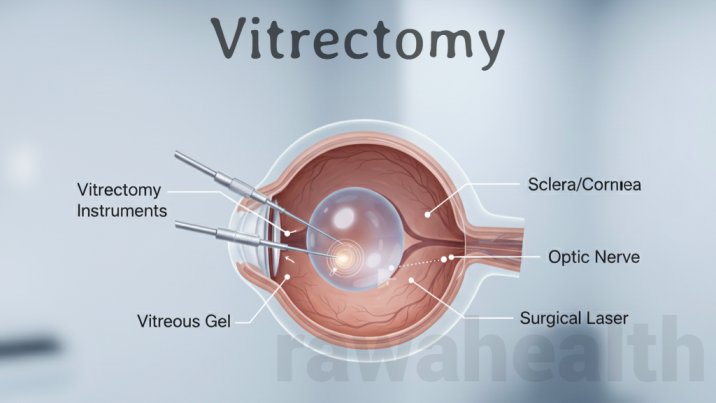
Vitrectomy Surgery
Vitrectomy is an advanced eye surgery used to treat serious retinal and vitreous disorders. The procedure removes the vitreous gel from the eye to allow surgeons clear access to the retina. As a result, vitrectomy helps restore or preserve vision in conditions that cannot improve with medicines alone.
Ophthalmologists commonly perform vitrectomy for retinal detachment, vitreous hemorrhage, macular hole, and complications of diabetes. With modern microsurgical tools, the procedure has become safer, faster, and highly effective.
What Is Vitrectomy Surgery?
Vitrectomy is a microsurgical eye procedure in which the surgeon removes the vitreous humor—a clear, gel-like substance filling the eye. After removal, the surgeon replaces it with a saline solution, gas bubble, or silicone oil to maintain eye shape and support healing.
Because the vitreous can pull on the retina or become cloudy due to bleeding, removing it allows the retina to settle properly and improves visual clarity.
Why Is Vitrectomy Needed?
Doctors recommend vitrectomy when retinal or vitreous problems threaten vision. Common indications include:
- Retinal detachment
- Vitreous hemorrhage (bleeding inside the eye)
- Diabetic retinopathy complications
- Macular hole
- Epiretinal membrane (macular pucker)
- Eye trauma or infection
- Retained lens fragments after cataract surgery
In many cases, early surgery prevents permanent vision loss.
Types of Vitrectomy Procedures
Pars Plana Vitrectomy (PPV)
- This is the most common technique. The surgeon enters through the pars plana area of the eye to safely remove the vitreous without damaging the lens or retina.
Anterior Vitrectomy
- Surgeons perform this procedure when vitreous enters the front of the eye, usually after cataract surgery complications.
Vitrectomy with Retinal Repair
- This combined procedure treats retinal detachment or macular holes using laser therapy or cryotherapy.
Step-by-Step Procedure
Usually takes 1 to 2 hours and is performed under local or general anesthesia.
Pre-Surgery Preparation
- First, the ophthalmologist conducts eye imaging and vision tests. Blood tests may also be required. The surgical plan depends on the exact retinal condition.
During the Surgery
- The surgeon makes tiny incisions in the sclera (white of the eye).
- Next, microsurgical instruments remove the vitreous gel.
- Then, the surgeon treats the retinal problem using laser or repair techniques.
- Finally, the eye is filled with saline, gas, or silicone oil.
Because incisions are very small, stitches are often unnecessary.
After Surgery
- Patients rest briefly before discharge. In most cases, vitrectomy is a day-care procedure.
Recovery After Surgery
Recovery depends on the condition treated and the substance used to fill the eye.
Immediate Recovery
- Mild discomfort, redness, and blurred vision are common initially. Eye drops help control pain and prevent infection.
At Home Care
- Avoid heavy lifting and strenuous activity
- Use prescribed eye drops regularly
- Maintain face-down positioning if a gas bubble is used
- Protect the eye from dust and water
Vision gradually improves over weeks to months.
Benefits of Vitrectomy Surgery
Vitrectomy offers significant medical benefits:
- Restores or stabilizes vision
- Clears internal eye bleeding
- Repairs retinal damage
- Prevents further vision loss
- Improves quality of life
For many patients, vitrectomy is the only option to save eyesight.
Risks and Complications
Although vitrectomy is generally safe, some risks exist:
- Infection
- Increased eye pressure
- Cataract formation
- Retinal tear or detachment
- Temporary or permanent vision changes
However, experienced vitreoretinal surgeons significantly reduce these risks.
Life After Surgery
After recovery, most patients resume daily activities with improved or stabilized vision. Regular follow-up visits remain essential to monitor retinal health. In some cases, additional procedures may be needed, especially in diabetic eye disease.
Vitrectomy Surgery Cost in India
| Vitrectomy Type | Cost (USD) |
|---|---|
| Standard Pars Plana Vitrectomy | $1,800 – $3,000 |
| Vitrectomy for Retinal Detachment | $2,500 – $4,500 |
| Diabetic Vitrectomy | $2,200 – $4,000 |
| Vitrectomy with Silicone Oil | $3,000 – $5,000 |
| Vitrectomy with Gas Injection | $2,500 – $4,200 |
| Complex Vitreoretinal Surgery | $4,000 – $6,500 |
Conclusion
Vitrectomy is a highly effective and vision-saving eye surgery for serious retinal and vitreous conditions. By removing the vitreous gel and repairing retinal damage, the procedure helps preserve eyesight and prevent permanent vision loss. With modern techniques and proper post-operative care, vitrectomy offers excellent outcomes and long-term visual stability for many patients.
Our Step-by-Step Process – How We Work
- Initial Consultation: Understand medical history, concerns, and goals for personalized guidance.
- Personalized Treatment Plan: Customized plan with recommended treatment, costs, and timeline.
- Travel & Preparation: Visa, airport transfers, accommodation, and language support.
- Scheduling & Procedure: Treatment at top hospitals with experienced doctors using advanced technology.
- Aftercare & Follow-Up: Nursing care, follow-ups, and continuous support for smooth recovery.
Why Patients Choose India for Medical Treatment
- Expert Doctors & Specialists: Highly skilled, internationally trained doctors handle advanced procedures and complex surgeries.
- State-of-the-Art Hospitals: Modern hospitals with latest technology and international accreditations ensure world-class treatment.
- Affordable Costs: Medical care in India is 60%–70% cheaper than in Western countries without compromising quality.
- Quick Access: Minimal waiting times allow patients to get treated promptly.
- End-to-End Support: Visa, airport transfers, accommodation, language translation, and post-treatment follow-up provided.
- High Success Rates: Proven track record in surgeries, transplants, and advanced treatments.
- Personalized Care: Individual attention ensures a smooth, safe, and comfortable medical journey.
Get Started with Rawa Health Services
- If you’re considering treatment in India, Rawa Health Services will guide you every step of the way:
- ✅ Free Pre-Surgery Consultation
✅ Doctor & Hospital Appointment
✅ Visa & Travel Assistance
✅ Airport Pickup & Accommodation
✅ Post-Treatment Support
✅ Multilingual Translators for Your Native Language - 📞 Call/WhatsApp: +91-9990978550
📧 Email: rawahealthservices@gmail.com