Ulcerative Colitis Surgery | Advanced Treatment in India
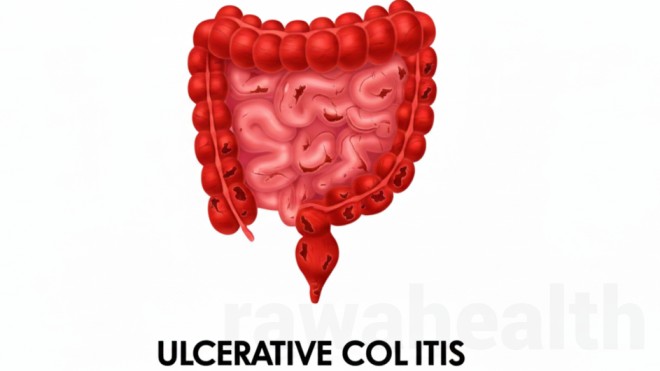
Ulcerative Colitis Surgery (UC) is a chronic inflammatory bowel disease that affects the lining of the large intestine and rectum. While many patients manage symptoms through medications, some eventually need surgery when treatments stop working or complications develop. Because of this, UC surgery plays a crucial role in restoring quality of life, reducing symptoms, and preventing life-threatening risks.
In this detailed overview, you’ll learn why UC surgery is needed, types of surgical procedures, treatment steps, recovery timeline, benefits, risks, and life after surgery.
What Is Ulcerative Colitis Surgery?
Ulcerative colitis surgery involves removing part or all of the colon and rectum to eliminate inflammation. Since UC only affects the large intestine, surgery can permanently cure the disease. Many patients consider this option after years of flare-ups, medication side effects, or severe complications.
Doctors recommend surgery when:
- Symptoms no longer improve with medicine
- The colon shows precancerous changes
- Life-threatening emergencies occur
- The disease severely affects daily life and nutrition
Surgery becomes a long-term solution for many patients who want a healthier, flare-free future.
Who Needs Surgery for Ulcerative Colitis?
Although not everyone with UC requires surgery, several situations make it necessary:
1. Severe or Uncontrolled Symptoms
- Persistent diarrhea, bleeding, abdominal pain, and weight loss despite medications.
2. Medication Failure
- When biologics, steroids, and immunosuppressants stop working.
3. Colon Cancer Risk
- Long-term inflammation increases cancer risk, especially beyond 8–10 years of disease.
4. Toxic Megacolon
- A life-threatening condition where the colon becomes dangerously enlarged.
5. Ruptured Colon
- A perforation requires immediate emergency surgery.
6. Heavy Bleeding
- Severe bleeding episodes that cannot be controlled.
7. Poor Quality of Life
- Constant flare-ups, hospital visits, or inability to work or eat normally.
Types of Ulcerative Colitis Surgery
There are several surgical options depending on disease severity and patient preference. Each method offers specific benefits and outcomes.
1. Total Proctocolectomy with Ileal Pouch-Anal Anastomosis (IPAA / J-Pouch Surgery)
This is the most common and preferred surgery for UC.
What happens?
- Entire colon and rectum are removed.
- Surgeons create a new internal pouch from the small intestine.
- The pouch connects to the anus, allowing normal bowel movements without a permanent bag.
Benefits:
- No permanent external ileostomy
- No risk of colon cancer
- Natural-looking bowel function
Ideal for:
Young patients, long-term UC, or those wanting life without a stoma.
2. Total Proctocolectomy with Permanent Ileostomy
In this surgery, the colon, rectum, and anus are removed entirely.
What happens?
- A permanent opening (stoma) is created in the abdomen.
- Stool passes through the ileostomy bag.
Benefits:
- Zero disease recurrence
- Simple recovery
- No risk of pouchitis
Ideal for:
Older patients, those with weak sphincter muscles, or patients preferring a simpler solution.
3. Colectomy (Removal of Only the Colon)
Used for emergencies or specific cases.
What happens?
- The colon is removed.
- Rectum may remain temporarily or permanently.
Benefits:
- Quick emergency relief
- Allows staged surgery for the J-pouch later
What Happens Before Surgery?
Before the operation, doctors prepare you carefully to reduce risks and ensure smooth results:
- Complete blood tests
- CT scan or colonoscopy analysis
- Nutritional assessment
- Medication review (especially steroids and immune drugs)
- Bowel preparation
- Discussion about stoma care (if needed)
You also meet the surgical team to understand the plan and recovery steps.
What Happens During Surgery?
Most UC surgeries use laparoscopic or robotic techniques, which involve small incisions and faster recovery.
Steps usually include:
- General anesthesia
- Removal of the diseased colon and rectum
- Creation of J-pouch or ileostomy
- Closing incisions
Surgery time varies between 2–5 hours, depending on the type of procedure.
What Happens After Surgery?
After the operation, patients spend time in recovery to regain strength.
In the Hospital:
- Pain control
- Gradual restart of liquids, then solid food
- Stoma care training (if applicable)
- Bowel function monitoring
- Mobility exercises to prevent blood clots
Most patients stay 4–7 days in the hospital.
Recovery and Life After Surgery
Recovery depends on the type of procedure and overall health.
Timeline
- 2–3 weeks: Light activities resume
- 4–6 weeks: Return to work (desk jobs)
- 6–8 weeks: Full recovery for major surgeries
- 3–6 months: J-pouch function becomes normal
Many patients feel a dramatic improvement within a few months.
Benefits of Ulcerative Colitis Surgery
- Permanent cure — no more UC
- No medications needed after recovery
- No flare-ups
- Reduced cancer risk
- Improved energy, appetite, and nutrition
- Better quality of life
Most patients report long-term satisfaction after surgery.
Risks & Complications
Although surgery significantly improves life, some risks exist:
- Infection
- Bleeding
- Pouchitis (in J-pouch patients)
- Obstruction
- Fertility concerns in women
- Stoma complications
These risks remain low with experienced surgeons and proper care.
Can You Live Without a Colon?
Yes, you can live a perfectly healthy life without a colon. The small intestine adapts and manages digestion effectively.
How Does Life Change After Surgery?
Many patients experience:
- More energy
- Better appetite
- No urgent bathroom trips
- Improved mental health
- Freedom from medications
Lifestyle improves significantly as you regain control over your daily routine.
Can You Have a Normal Life After UC Surgery?
Absolutely. Most patients return to:
- Normal eating
- Travel
- Exercise
- Work
- Activities
- Social life
Even with a permanent ileostomy, modern bags are discreet and comfortable.
Ulcerative Colitis Surgery Cost in India
| Surgery Type | Cost (USD) |
|---|---|
| Colectomy | $3,500 – $6,000 |
| Total Proctocolectomy with Ileostomy | $4,000 – $7,000 |
| J-Pouch (IPAA) Surgery | $5,500 – $9,000 |
| Laparoscopic/Robotic UC Surgery | $6,000 – $10,000 |
Conclusion
Ulcerative colitis surgery gives patients a chance to live without constant flare-ups, medications, and unpredictable symptoms. For many individuals, it becomes a life-changing decision that restores energy, appetite, mobility, and overall confidence. Whether it involves a J-pouch or a permanent ileostomy, modern surgical techniques offer safe, effective, and long-term relief from chronic inflammation. With proper medical guidance, timely treatment, and dedicated postoperative care, most patients return to a normal, active, and healthier life after UC surgery.
Our Step-by-Step Process – How We Work
- Initial Consultation: Understand medical history, concerns, and goals for personalized guidance.
- Personalized Treatment Plan: Customized plan with recommended treatment, costs, and timeline.
- Travel & Preparation: Visa, airport transfers, accommodation, and language support.
- Scheduling & Procedure: Treatment at top hospitals with experienced doctors using advanced technology.
- Aftercare & Follow-Up: Nursing care, follow-ups, and continuous support for smooth recovery.
Why Patients Choose India for Medical Treatment
- Expert Doctors & Specialists: Highly skilled, internationally trained doctors handle advanced procedures and complex surgeries.
- State-of-the-Art Hospitals: Modern hospitals with latest technology and international accreditations ensure world-class treatment.
- Affordable Costs: Medical care in India is 60%–70% cheaper than in Western countries without compromising quality.
- Quick Access: Minimal waiting times allow patients to get treated promptly.
- End-to-End Support: Visa, airport transfers, accommodation, language translation, and post-treatment follow-up provided.
- High Success Rates: Proven track record in surgeries, transplants, and advanced treatments.
- Personalized Care: Individual attention ensures a smooth, safe, and comfortable medical journey.
Get Started with Rawa Health Services
- If you’re considering treatment in India, Rawa Health Services will guide you every step of the way:
- ✅ Free Pre-Surgery Consultation
✅ Doctor & Hospital Appointment
✅ Visa & Travel Assistance
✅ Airport Pickup & Accommodation
✅ Post-Treatment Support
✅ Multilingual Translators for Your Native Language - 📞 Call/WhatsApp: +91-9990978550
📧 Email: rawahealthservices@gmail.com