Gastric Sleeve Surgery – Your First Step Towards a Healthier, Happier You
Abdominoplasty - Complete Guide
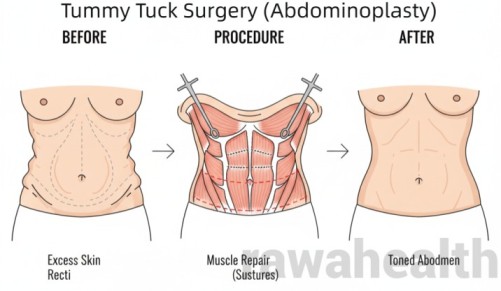
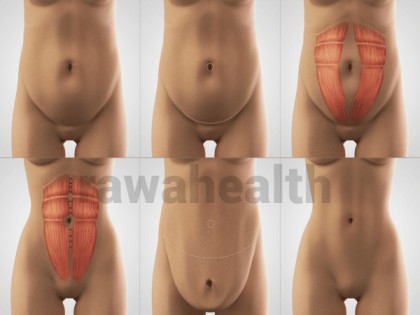
Tummy tuck, medically known as (abdominoplasty), is a surgical procedure aimed at improving the shape and appearance of the abdomen. It removes excess skin and fat while tightening the muscles in the abdominal wall. Many people consider a tummy tuck after significant weight loss, pregnancy, or other body changes. Unlike weight-loss surgeries, a tummy tuck focuses on body contouring rather than reducing body weight.
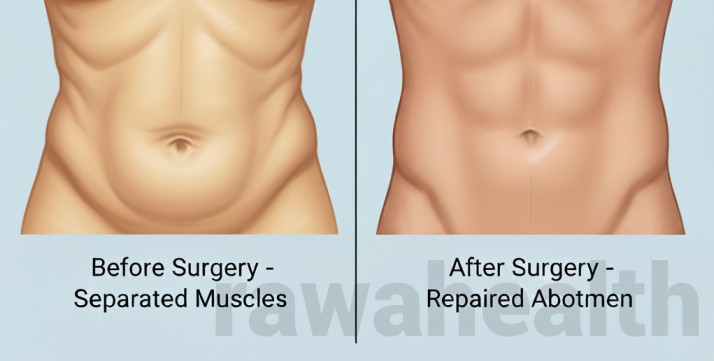
This procedure can help people achieve a flatter, firmer, and more toned-looking stomach. It also addresses issues like sagging skin, stubborn fat pockets, and separated abdominal muscles, which sometimes cause discomfort or low back pain.
Why People Consider a Tummy Tuck
There are multiple reasons why someone may consider a tummy tuck:
- Excess Skin and Fat – After pregnancy or major weight loss, skin may lose elasticity and not return to its original tightness. Fat deposits in the midsection may remain resistant to diet and exercise.
- Separated Abdominal Muscles (Rectus Diastasis) – This condition occurs when the muscles along the abdomen separate, often due to pregnancy. It can cause a bulging stomach and may contribute to back pain. A tummy tuck repairs these muscles, providing a firmer core.
- Previous Surgeries – Abdominal surgeries, like a cesarean section, may leave scars or loosened tissue. A tummy tuck can remove excess skin and sometimes incorporate or improve previous scars.
- Aging – With age, skin naturally loses elasticity, and abdominal muscles can weaken, leading to sagging.
- Personal Confidence – Many people seek a tummy tuck for improved body image and self-esteem. Feeling comfortable in clothing or swimwear can significantly improve quality of life.
Types of Tummy Tuck Procedures
Surgeons offer several variations of abdominoplasty, tailored to the patient’s needs:
1. Full Tummy Tuck (Complete Abdominoplasty)
- Involves a long incision across the lower abdomen.
- Removes excess skin and fat.
- Tightens abdominal muscles.
- Ideal for individuals with significant sagging or loose skin.
2. Mini Tummy Tuck (Partial Abdominoplasty)
- Shorter incision, usually below the navel.
- Suitable for mild skin laxity or small fat deposits.
- Less invasive than a full tummy tuck.
- Often no adjustment of the belly button is needed.
3. Extended or Circumferential Tummy Tuck
- Addresses the front, sides, and back, including love handles and hips.
- Incision runs around the body for a 360-degree contour.
- Commonly used after major weight loss to reshape the entire torso.
4. Fleur-de-Lis Tummy Tuck
- Incisions are vertical and horizontal, forming a T-shape.
- Reserved for patients with extensive weight loss (usually 45 kg or more).
- Provides maximum skin removal and reshaping of the abdominal area.
Who is a Good Candidate for Tummy Tuck?
A tummy tuck is not suitable for everyone. Ideal candidates typically:
- Are in good general health with no serious medical conditions.
- Maintain a stable weight for at least 6–12 months.
- Do not plan to become pregnant in the near future.
- Have realistic expectations about results.
- Do not smoke or are willing to stop before and after surgery.
Patients with obesity, uncontrolled diabetes, heart conditions, or clotting disorders may be advised to postpone or avoid the surgery due to higher risks.
Preparing for a Tummy Tuck
Preparation is key for a smooth procedure and recovery:
Consultation
During the initial consultation, the surgeon will:
- Review your medical history, medications, and allergies.
- Examine your abdominal area and take photographs for reference.
- Discuss goals and expectations.
- Explain different types of tummy tuck procedures and what’s suitable for you.
Lifestyle Adjustments
Patients may need to:
- Stop smoking for several weeks before and after surgery. Smoking reduces blood flow and delays healing.
- Avoid blood-thinning medications and certain supplements (e.g., aspirin, NSAIDs, herbal products).
- Maintain a stable, healthy weight.
- Eat nutritious meals to support healing and recovery.
Home Preparation
- Arrange transportation to and from the surgery center.
- Prepare your home for recovery, including placing frequently used items within easy reach.
- Have someone available to assist during the first 1–2 days after surgery.
- Choose loose, comfortable clothing.
The Surgery: What to Expect from Tummy Tuck
Anesthesia
Tummy tuck procedures are usually performed under general anesthesia, putting you in a sleep-like state to prevent pain.
Surgical Steps
While details vary based on procedure type, a typical tummy tuck involves:
- Making a lower abdominal incision.
- Lifting the skin and removing excess fat.
- Tightening separated abdominal muscles with sutures.
- Repositioning the belly button if necessary.
- Closing the incision with sutures and applying bandages.
- Placing drainage tubes if needed to prevent fluid buildup.
The surgery typically lasts 1–5 hours, depending on complexity.
Tummy Tuck Surgery Cost in India
The cost of a tummy tuck in India varies depending on the city, the type of procedure, the surgeon’s experience, and the hospital facilities. On average, patients can expect the following price ranges:
| City | Cost Range (USD) |
|---|---|
| Delhi | $2,000 – $3,050 |
| Mumbai | $2,200 – $4,250 |
| Bangalore | $2,100 – $3,350 |
| Chennai | $2,000 – $3,050 |
| Kolkata | $1,900 – $3,050 |
Compared to other countries, India offers high-quality surgical care at a much more affordable cost. This makes it a popular choice for patients seeking tummy tuck surgery with excellent results and modern facilities.
International Cost Comparison
| Country | Cost Range (USD) | Average Cost (USD) |
|---|---|---|
| India | $2,000 – $4,500 | ~$3,000 |
| USA | $8,000 – $24,000 | ~$8,250 |
| UK | $8,000 – $15,000 | ~$10,000 |
| Canada | $8,500 – $20,000 | ~$13,000 |
Recovery Process
Immediate Post-Op Care
- Patients may feel tired and sore for several days.
- Pain medication helps manage discomfort.
- Swelling and bruising are normal.
- Small drainage tubes may be in place to prevent fluid accumulation.
Moving Around
- Walking early is encouraged to reduce the risk of blood clots.
- Avoid lifting heavy objects or performing strenuous activities for at least 4–6 weeks.
Support Garments
- Wearing an abdominal binder helps support muscles and reduce swelling.
- Follow your surgeon’s instructions for how long to wear the garment.
Follow-Up
- Regular checkups ensure proper healing.
- Surgeons monitor incision sites, drain removal, and scar healing.
Risks and Complications
While generally safe, tummy tuck surgery carries some risks:
- Scarring – All incisions leave scars. Placement along the lower abdomen makes them less noticeable.
- Infection – Antibiotics may be prescribed to prevent infection.
- Bleeding or Hematoma – Blood accumulation may require additional care.
- Seroma – Fluid collection under the skin. Drains are used to minimize this risk.
- Poor Wound Healing – Can occur due to smoking, diabetes, or previous surgeries.
- Numbness – Temporary or permanent changes in skin sensation.
- Blood Clots – Following instructions to move and take blood-thinning medications reduces this risk.
Following pre- and post-operative instructions carefully is crucial to minimize complications.
Expected Results
Appearance
- The abdomen appears flatter, firmer, and more toned.
- The belly button may be repositioned to enhance symmetry.
- Stretch marks below the navel may be removed along with excess skin.
Longevity
- Results are long-lasting if weight remains stable.
- Lifestyle habits like balanced diet and exercise are important to maintain results.
Scar Evolution
- Scars gradually fade over 6–12 months.
- Proper care, such as moisturizing and avoiding sun exposure, can improve their appearance.
Returning to Daily Life
- Light activities: Walking and gentle movements are encouraged immediately.
- Work: Most people return in 2–4 weeks, depending on physical activity required.
- Exercise: Avoid strenuous exercise for 4–6 weeks. Full activity can resume once cleared by your surgeon.
Comparing Tummy Tuck with Other Procedures
- Liposuction – Removes fat deposits but does not tighten muscles or remove excess skin. Often combined with a tummy tuck for best results.
- Panniculectomy – Removes hanging skin and fat but does not tighten abdominal muscles or reposition the belly button.
Long-Term Care
- Maintain a stable weight and healthy lifestyle.
- Perform core-strengthening exercises once cleared by your surgeon.
- Monitor for any changes in abdominal contour or skin appearance.
- Seek medical advice if complications arise.
Conclusion
A tummy tuck is a highly effective surgical procedure for individuals seeking a firmer, flatter abdomen. It addresses excess skin, stubborn fat, and weakened abdominal muscles, improving both appearance and confidence. Careful preparation, understanding of the procedure, and adherence to recovery instructions ensure optimal outcomes.
Patients considering a tummy tuck should have realistic expectations, good overall health, and a clear understanding of the risks and benefits. When performed by a qualified surgeon, tummy tuck surgery can provide dramatic and long-lasting improvements in abdominal contour and self-esteem.
Our Step-by-Step Process – How We Work
- Initial Consultation: Understand medical history, concerns, and goals for personalized guidance.
- Personalized Treatment Plan: Customized plan with recommended treatment, costs, and timeline.
- Travel & Preparation: Visa, airport transfers, accommodation, and language support.
- Scheduling & Procedure: Treatment at top hospitals with experienced doctors using advanced technology.
- Aftercare & Follow-Up: Nursing care, follow-ups, and continuous support for smooth recovery.
Why Patients Choose India for Medical Treatment
- Expert Doctors & Specialists: Highly skilled, internationally trained doctors handle advanced procedures and complex surgeries.
- State-of-the-Art Hospitals: Modern hospitals with latest technology and international accreditations ensure world-class treatment.
- Affordable Costs: Medical care in India is 30%–70% cheaper than in Western countries without compromising quality.
- Quick Access: Minimal waiting times allow patients to get treated promptly.
- End-to-End Support: Visa, airport transfers, accommodation, language translation, and post-treatment follow-up provided.
- High Success Rates: Proven track record in surgeries, transplants, and advanced treatments.
- Personalized Care: Individual attention ensures a smooth, safe, and comfortable medical journey.
Get Started with Rawa Health Services
- If you’re considering treatment in India, Rawa Health Services will guide you every step of the way:
- ✅ Free Pre-Surgery Consultation
✅ Doctor & Hospital Appointment
✅ Visa & Travel Assistance
✅ Airport Pickup & Accommodation
✅ Post-Treatment Support
✅ Multilingual Translators for Your Native Language - 📞 Call/WhatsApp: +91-9990978550
📧 Email: rawahealthservices@gmail.com