Total Knee Replacement Surgery in India
Total Knee Replacement Surgery in India has emerged as one of the most commonly performed orthopedic procedures. With the advancement of technology, modern surgical techniques, and experienced surgeons, patients can expect high success rates and faster recovery. India has become a preferred destination for both domestic and international patients because of its combination of affordable costs and world-class care.
Over time, conditions like osteoarthritis, rheumatoid arthritis, or severe injuries can damage the knee joint. This damage often leads to chronic pain, reduced mobility, and difficulty performing everyday activities. When non-surgical treatments such as physiotherapy, pain medications, and injections fail to provide relief, total knee replacement becomes a reliable and effective option. The goal of this surgery is to restore normal joint function, relieve pain, and help patients return to an active lifestyle.
What is Total Knee Replacement Surgery?
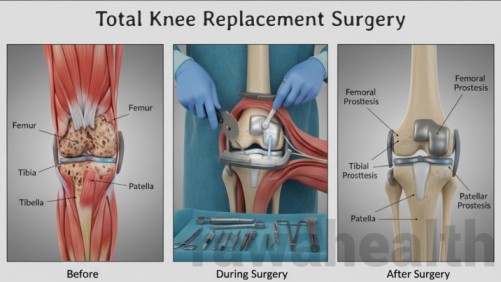
Total Knee Replacement Surgery, also known as total knee arthroplasty, is a procedure in which the surgeon replaces the damaged surfaces of the knee joint with artificial implants. These implants are designed to mimic the natural movement of a healthy knee.
During the surgery, the surgeon removes the damaged cartilage and bone from the lower end of the femur (thigh bone) and the upper end of the tibia (shin bone). They then place metal and plastic implants that act like a natural joint, allowing smooth, pain-free movement.
Doctors usually recommend this surgery for patients with advanced knee joint damage where other treatments, such as medication or physical therapy, have not been effective. Total Knee Replacement can significantly improve quality of life by reducing pain, restoring mobility, and enabling everyday activities with greater comfort.
Types of Knee Replacement and Implant Options
Knee replacement surgeries vary based on the extent of damage and the patient’s needs. Main types include:
- Total Knee Replacement:
The surgeon replaces both sides of the knee joint with artificial implants. This is the most common type. - Partial Knee Replacement:
The surgeon replaces only the damaged portion of the knee, keeping the healthy parts intact. - Bilateral Knee Replacement:
Both knees are replaced at the same time for patients who have damage in both joints. - Revision Knee Replacement:
This surgery is performed if a previous knee implant fails or wears out, requiring replacement of the old implant.
Implant Options
Knee implants are made of metal alloys, medical-grade plastics, or a combination of both. The most commonly used types are:
- Fixed-bearing Implants – Ideal for less active patients.
- Mobile-bearing Implants – Allow slightly more movement and are suitable for active patients.
- Gender-specific Implants – Designed to match the anatomical differences between male and female knees.
The choice of implant depends on the patient’s age, lifestyle, bone structure, and the surgeon’s recommendation.
Health Problems That Need Knee Replacement
Several medical conditions can lead to severe knee joint damage, making replacement surgery necessary:
- Osteoarthritis – The most common reason for knee replacement. It is a degenerative condition where the cartilage wears away, causing pain and stiffness.
- Rheumatoid Arthritis – An autoimmune disease that inflames and damages the joint lining.
- Post-traumatic Arthritis – Occurs after a severe injury to the knee, such as fractures or ligament tears.
- Avascular Necrosis – A condition where reduced blood supply causes bone tissue to die.
- Severe Deformities – Conditions like bow legs or knock knees that worsen with time.
When these issues progress, knee replacement becomes the best way to restore function and relieve pain.
How Common is Total Knee Replacement Surgery?
Total knee replacement has become one of the most successful orthopedic surgeries worldwide. Millions of procedures are performed annually. The success rate exceeds 90%, with most implants lasting 15–20 years or even longer.
In India, the number of knee replacement surgeries has increased significantly due to rising awareness, better access to advanced medical care, and cost-effective treatments. More patients are choosing this procedure to improve mobility and lead pain-free lives.
How to Prepare for Total Knee Replacement Surgery
Proper preparation is crucial for a smooth surgery and recovery.
- Medical Evaluation – The surgeon conducts a thorough assessment, including X-rays, blood tests, and physical examination.
- Pre-Surgery Exercises – Strengthening the muscles around the knee helps with faster recovery.
- Medication Review – Some medications may need to be stopped temporarily before surgery.
- Lifestyle Changes – Losing excess weight, quitting smoking, and controlling other health conditions like diabetes can improve surgical outcomes.
- Home Preparation – Patients are advised to make their homes safe for movement after surgery by installing support bars and removing tripping hazards.
Step-by-Step Process of Total Knee Replacement Surgery
- Anesthesia: The anesthesiologist administers general or spinal anesthesia to ensure the patient feels no pain during the procedure.
- Incision: The surgeon makes a cut on the front of the knee to access the joint.
- Reshaping the Bone: The surgeon removes the damaged cartilage and bone from the knee joint.
- Implant Placement: The surgeon fixes the artificial knee components using bone cement or a press-fit technique.
- Patella Resurfacing: If needed, the surgeon resurfaces the kneecap based on the patient’s condition.
- Closure: The surgeon closes the incision with sutures or staples and bandages the knee.
How Long Does Total Knee Replacement Surgery Take?
On average, the surgery takes around 60 to 120 minutes. However, this can vary depending on the complexity of the case, the type of implant, and whether it is a single or bilateral replacement. Patients typically spend 2–4 days in the hospital after the procedure for monitoring and initial physiotherapy.
What Does a Knee Implant Look Like?
A knee implant consists of three main parts:
- Femoral Component – Covers the end of the thigh bone.
- Tibial Component – Covers the top of the shin bone.
- Plastic Spacer – Fits between the metal components to allow smooth, frictionless movement.
Modern implants are designed to mimic the natural shape and movement of the knee joint. Some are customized to fit the patient’s anatomy precisely.
What Happens After Total Knee Replacement Surgery?
Recovery begins immediately after surgery. Patients are encouraged to start moving the joint within 24 hours to prevent stiffness.
- Pain Management – Medications and ice packs help reduce discomfort.
- Physiotherapy – Plays a critical role in regaining strength and movement.
- Walking Aids – Patients use walkers or crutches initially and gradually transition to walking independently.
- Follow-Up Visits – Regular checkups ensure proper healing and monitor implant function.
Most patients can resume daily activities within 6–8 weeks, while full recovery may take 3–6 months.
Cost of Total Knee Replacement Surgery in India
The cost of total knee replacement surgery in India is significantly lower than in many Western countries, while maintaining high-quality medical standards.
| Country | Average Cost (USD) |
|---|---|
| India | $4,000 – $7,000 |
| United States | $35,000 – $60,000 |
| United Kingdom | $18,000 – $25,000 |
| Germany | $20,000 – $30,000 |
India offers a cost advantage of 60–70% lower compared to Western nations. Advanced hospitals, experienced orthopedic surgeons, and shorter waiting times make India an excellent choice for patients seeking affordable, high-quality knee replacement surgery.
Conclusion
Total Knee Replacement Surgery in India provides an effective, safe, and affordable solution for people suffering from severe knee problems. With skilled surgeons, modern techniques, and high success rates, patients can regain mobility, relieve pain, and return to an active lifestyle.
Our Step-by-Step Process – How We Work
- Initial Consultation: Understand medical history, concerns, and goals for personalized guidance.
- Personalized Treatment Plan: Customized plan with recommended treatment, costs, and timeline.
- Travel & Preparation: Visa, airport transfers, accommodation, and language support.
- Scheduling & Procedure: Treatment at top hospitals with experienced doctors using advanced technology.
- Aftercare & Follow-Up: Nursing care, follow-ups, and continuous support for smooth recovery.
Why Patients Choose India for Medical Treatment
- Expert Doctors & Specialists: Highly skilled, internationally trained doctors handle advanced procedures and complex surgeries.
- State-of-the-Art Hospitals: Modern hospitals with latest technology and international accreditations ensure world-class treatment.
- Affordable Costs: Medical care in India is 30%–70% cheaper than in Western countries without compromising quality.
- Quick Access: Minimal waiting times allow patients to get treated promptly.
- End-to-End Support: Visa, airport transfers, accommodation, language translation, and post-treatment follow-up provided.
- High Success Rates: Proven track record in surgeries, transplants, and advanced treatments.
- Personalized Care: Individual attention ensures a smooth, safe, and comfortable medical journey.
Get Started with Rawa Health Services
- If you’re considering treatment in India, Rawa Health Services will guide you every step of the way:
- ✅ Free Pre-Surgery Consultation
✅ Doctor & Hospital Appointment
✅ Visa & Travel Assistance
✅ Airport Pickup & Accommodation
✅ Post-Treatment Support
✅ Multilingual Translators for Your Native Language - 📞 Call/WhatsApp: +91-9990978550
📧 Email: rawahealthservices@gmail.com