Total Knee Replacement – Procedure, Benefits & Overview
Total knee replacement (TKR) is a highly effective surgical procedure designed to relieve chronic knee pain, restore joint function, and improve mobility in patients suffering from severe arthritis, injury, or deformity. The knee is a complex joint that bears weight and allows movement, so any damage can significantly impact daily life. With modern surgical techniques, including minimally invasive and robotic-assisted procedures, TKR offers long-lasting relief and better outcomes.
Whether you are exploring treatment for yourself or a loved one, this guide explains what total knee replacement is, the procedure, eligibility criteria, recovery, benefits, risks, cost in India, and post-operative lifestyle tips.
What is Total Knee Replacement?
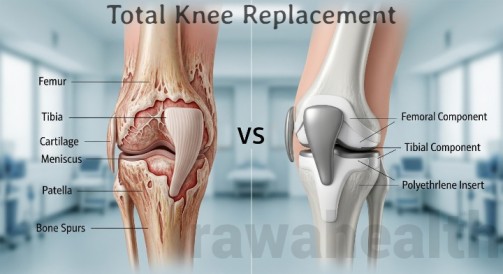
Total knee replacement involves removing the damaged or worn-out surfaces of the knee joint and replacing them with artificial components made of metal and plastic. Surgeons perform TKR to:
- Alleviate chronic knee pain caused by osteoarthritis, rheumatoid arthritis, or injury.
- Restore mobility and joint function.
- Correct deformities and misalignment.
- Improve the overall quality of life.
Unlike partial knee replacement, which addresses only one compartment of the knee, TKR replaces the entire joint. This procedure ensures long-term relief and allows patients to return to normal activities, including walking, climbing stairs, and light exercise.
Types of Total Knee Replacement
Although TKR generally refers to complete joint replacement, surgeons may approach the procedure differently based on patient needs:
- Conventional TKR – Surgeons manually align the prosthetic components using traditional instruments.
- Minimally Invasive TKR – Involves smaller incisions, reducing muscle and tissue damage, leading to faster recovery.
- Computer-Assisted or Robotic TKR – Uses advanced imaging and robotic guidance to ensure precise placement of implants.
- Revision TKR – Performed when a previous knee replacement fails, loosens, or causes complications.
Choosing the right type depends on age, activity level, severity of arthritis, and the surgeon’s recommendation.
Who is a Candidate for Total Knee Replacement?
Not all knee pain requires surgery. Candidates usually have:
- Severe osteoarthritis or rheumatoid arthritis unresponsive to medications or physical therapy.
- Chronic pain affecting daily activities such as walking, standing, or climbing stairs.
- Knee deformity or instability causing difficulty in movement.
- Progressive joint degeneration confirmed by X-rays or MRI.
A thorough evaluation by an orthopedic surgeon determines suitability. Surgeons also assess overall health to minimize surgical risks.
How is Total Knee Replacement Performed?
TKR follows a structured surgical process. Here is an overview:
1. Preoperative Preparation
Before surgery, doctors perform a detailed assessment:
- Medical Evaluation: Blood tests, ECG, and imaging like X-rays or MRI.
- Medication Review: Patients may need to stop blood thinners or supplements.
- Lifestyle Adjustments: Quitting smoking, maintaining a balanced diet, and preparing the home for recovery.
- Anesthesia Planning: The anesthesiologist decides between general or regional anesthesia.
2. Anesthesia
- General Anesthesia: Puts the patient completely to sleep.
- Spinal/Regional Anesthesia: Numbs the lower body while the patient remains conscious but relaxed.
3. Surgical Procedure
- The surgeon makes an incision over the knee to access the joint.
- Damaged bone and cartilage from the femur, tibia, and sometimes the patella are removed.
- The prosthetic components are carefully placed and aligned.
- Surgeons test the joint for stability, motion, and alignment before closing the incision.
4. Closure and Dressing
- Muscles, tissues, and skin are sutured.
- Sterile dressings and compression bandages are applied.
- Occasionally, a drain is placed temporarily to prevent fluid accumulation.
5. Immediate Postoperative Care
- Patients are monitored in the recovery room for vital signs and anesthesia effects.
- Pain management is provided with medications or nerve blocks.
- Early movement often begins within 24 hours to reduce stiffness and blood clots.
Recovery After Total Knee Replacement
Recovery timelines vary depending on the patient and procedure type:
- Hospital Stay: 3–5 days for observation and pain management.
- Physical Therapy: Begins within a day or two after surgery, focusing on strengthening muscles and improving knee mobility.
- Weight-Bearing: Most patients start partial weight-bearing with crutches or walkers immediately, progressing to full weight-bearing as tolerated.
- Full Recovery: Typically takes 6–12 weeks, although minor improvements may continue for 6–12 months.
Patients should follow post-operative instructions carefully, including wound care, exercises, and medication schedules, to ensure optimal recovery.
Benefits of Total Knee Replacement
Total knee replacement provides multiple advantages:
- Significant pain relief and improved comfort.
- Enhanced mobility, walking ability, and flexibility.
- Correction of deformities and misalignment.
- Long-term durability with modern implants.
- Reduced dependency on medications for arthritis pain.
- High success rates and improved quality of life.
Minimally invasive and robotic-assisted techniques further reduce recovery time and postoperative complications.
Risks and Considerations
While TKR is generally safe, it carries potential risks:
- Infection at the surgical site.
- Blood clots (deep vein thrombosis).
- Loosening or wear of the implant over time.
- Persistent pain or stiffness in the knee.
- Nerve or blood vessel injury.
- Complications from anesthesia.
Choosing an experienced orthopedic surgeon and following postoperative guidelines minimize these risks.
Cost of Total Knee Replacement in India
India offers world-class knee replacement surgery at affordable prices compared to Western countries. Costs vary based on hospital, surgeon expertise, implant type, and procedure complexity.
| Type of Knee Surgery | Average Cost (USD) |
|---|---|
| Arthroscopic Knee Surgery | $1,500 – $3,000 |
| Partial Knee Replacement | $3,500 – $5,000 |
| Total Knee Replacement (Single Knee) | $4,000 – $5,000 |
| Total Knee Replacement (Both Knees) | $6,000 – $7,000 |
| Revision Knee Surgery | $6,000 – $10,000 |
Patients from abroad choose India for affordable, high-quality care, expert surgeons, and advanced facilities.
Lifestyle After Total Knee Replacement
Post-surgery, maintaining long-term knee health involves:
- Attending regular physiotherapy sessions.
- Engaging in low-impact exercises like swimming, cycling, or walking.
- Avoiding high-impact sports initially.
- Maintaining a healthy weight to reduce joint stress.
- Practicing proper posture and joint care.
These measures enhance the longevity of the knee implant and prevent complications.
Conclusion
Total knee replacement is a safe and effective solution for chronic knee pain, arthritis, or joint deformities. Modern surgical techniques, including minimally invasive and robotic-assisted procedures, restore mobility, relieve pain, and improve quality of life. India offers world-class orthopedic care, experienced surgeons, and affordable costs, making it an ideal destination for patients seeking high-quality treatment. By consulting a qualified orthopedic specialist and adhering to postoperative guidance, patients can achieve long-lasting results and return to an active, pain-free life.
Our Step-by-Step Process – How We Work
- Initial Consultation: Understand medical history, concerns, and goals for personalized guidance.
- Personalized Treatment Plan: Customized plan with recommended treatment, costs, and timeline.
- Travel & Preparation: Visa, airport transfers, accommodation, and language support.
- Scheduling & Procedure: Treatment at top hospitals with experienced doctors using advanced technology.
- Aftercare & Follow-Up: Nursing care, follow-ups, and continuous support for smooth recovery.
Why Patients Choose India for Medical Treatment
- Expert Doctors & Specialists: Highly skilled, internationally trained doctors handle advanced procedures and complex surgeries.
- State-of-the-Art Hospitals: Modern hospitals with latest technology and international accreditations ensure world-class treatment.
- Affordable Costs: Medical care in India is 30%–70% cheaper than in Western countries without compromising quality.
- Quick Access: Minimal waiting times allow patients to get treated promptly.
- End-to-End Support: Visa, airport transfers, accommodation, language translation, and post-treatment follow-up provided.
- High Success Rates: Proven track record in surgeries, transplants, and advanced treatments.
- Personalized Care: Individual attention ensures a smooth, safe, and comfortable medical journey.
Get Started with Rawa Health Services
- If you’re considering treatment in India, Rawa Health Services will guide you every step of the way:
- ✅ Free Pre-Surgery Consultation
✅ Doctor & Hospital Appointment
✅ Visa & Travel Assistance
✅ Airport Pickup & Accommodation
✅ Post-Treatment Support
✅ Multilingual Translators for Your Native Language - 📞 Call/WhatsApp: +91-9990978550
📧 Email: rawahealthservices@gmail.com