Stomach Surgery – Types, Procedure, Benefits, Risks, and Cost
Stomach surgery (also known as gastric surgery) includes several medical procedures that target the stomach to treat diseases like obesity, cancer, ulcers, hernia, or digestive complications. It can be a life-saving treatment and often provides long-term health improvement.
With advancements in laparoscopic techniques, stomach surgeries have become less invasive, more effective, and faster in recovery. This guide explains everything you need to know about stomach surgery — from types and benefits to risks and recovery.
What Is Stomach Surgery?
Stomach surgery refers to an operation that alters the size, shape, or structure of the stomach for medical or functional reasons. It may involve removing part of the stomach, restructuring it for better digestion, or bypassing sections to limit food absorption.
Depending on the case, surgeons use either:
- Laparoscopic (Minimally Invasive) Surgery – Uses small incisions and a camera; faster healing, less pain.
- Open Surgery – Used in complex cases such as cancer or severe ulcers.
Both methods aim to restore digestive health, manage chronic diseases, and in some cases, aid in significant weight loss.
Who Needs Stomach Surgery?
Doctors usually recommend stomach surgery when non-surgical methods fail or when the patient’s condition poses a risk to health. Common reasons include:
- Severe Obesity – When diet and exercise are ineffective.
- Stomach Cancer or Tumors – To remove diseased parts.
- Chronic Peptic Ulcers – Persistent ulcers that bleed or perforate.
- Severe GERD (Acid Reflux) – When reflux damages the esophagus or stomach lining.
- Hiatal Hernia – When part of the stomach moves into the chest cavity.
- Stomach Perforation or Trauma – After injury or infection.
- Blockages or Scar Tissue – That prevent food from passing properly.
In some cases, stomach surgery is also performed for cosmetic or bariatric (weight-loss) purposes to manage health issues like diabetes, high blood pressure, and sleep apnea.
Detailed Types of Stomach Surgery
1. Sleeve Gastrectomy
In this procedure, nearly 75–80% of the stomach is removed, leaving behind a small sleeve-shaped pouch.
- Goal: Reduce the amount of food the stomach can hold and suppress hunger hormones.
- Benefits: Rapid weight loss, long-lasting results, fewer complications.
- Best for: Patients with obesity or metabolic disorders.
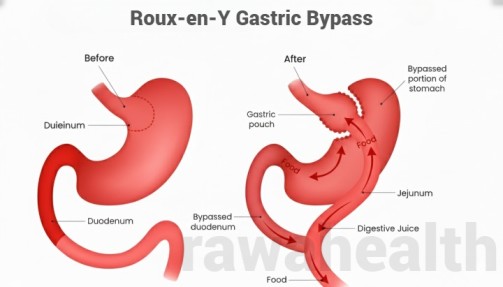
2. Gastric Bypass Surgery
This surgery divides the stomach into a small upper pouch and a larger lower remnant. The small intestine is rerouted to connect directly to the small pouch.
- Goal: Limit calorie absorption and promote weight loss.
- Benefits: Significant and sustained weight loss, better control of diabetes.
- Best for: Morbidly obese patients or those with related health conditions.
3. Adjustable Gastric Banding
A silicone band is placed around the upper portion of the stomach to create a smaller section that fills quickly during meals.
- Goal: Control appetite and food intake.
- Benefits: Adjustable, reversible, minimal risk.
- Best for: Patients looking for a non-permanent, flexible option.
4. Partial or Total Gastrectomy
This involves the removal of a part (partial) or the entire stomach (total) — usually to treat cancer, tumors, or ulcers.
- Goal: Remove damaged or cancerous tissue.
- Benefits: Prevents the spread of disease and relieves symptoms.
- Best for: Patients with stomach cancer or chronic bleeding ulcers.
5. Hiatal Hernia Repair
In this surgery, the upper part of the stomach that pushes through the diaphragm is repositioned and the muscle opening is tightened.
- Goal: Correct hernia and prevent acid reflux.
- Benefits: Restores normal stomach position and relieves heartburn.
- Best for: Patients with GERD or large hernias.
6. Pyloroplasty
This procedure widens the opening between the stomach and small intestine (pylorus) to allow easier passage of food.
- Goal: Improve stomach emptying and digestion.
- Benefits: Relieves nausea, bloating, and stomach blockage.
- Best for: Patients with gastric outlet obstruction.
Step-by-Step Process of Stomach Surgery
1. Pre-Surgery Evaluation
Before performing stomach surgery, doctors conduct several assessments to ensure the patient is fit for the operation.
This includes:
- Blood tests and imaging (CT/MRI)
- Endoscopy to view internal condition
- ECG for heart function
- Nutritional and lifestyle counseling
2. Anesthesia
- Patients receive general anesthesia to ensure complete comfort and no pain during the surgery.
3. Surgical Procedure
- Depending on the case, the surgeon performs laparoscopic or open surgery.
The diseased portion is repaired, removed, or reconstructed to restore function.
4. Closure and Recovery
- After the surgery, the incisions are sealed and patients are moved to the recovery area for observation.
Within 24–48 hours, most patients can walk and begin a liquid diet.
Recovery After Stomach Surgery
The recovery process is gradual but steady. Patients typically spend 4–7 days in the hospital and continue recovering at home for another few weeks.
General Recovery Timeline:
- Days 1–3: Liquid diet only, walking encouraged.
- Days 4–10: Shift to semi-solid foods.
- After 2 Weeks: Soft solid diet, light activity.
- After 4 Weeks: Resume normal diet and work (based on doctor’s advice).
Tips for Faster Recovery
- Follow the doctor’s diet instructions carefully.
- Avoid alcohol, smoking, and junk food.
- Take prescribed supplements (iron, B12, calcium).
- Walk daily to improve blood circulation.
- Attend all follow-up appointments.
Benefits of Stomach Surgery
Stomach surgery offers both physical and medical benefits that can transform a patient’s life.
Major Health Benefits:
- Sustainable weight loss for obese patients.
- Improved control over diabetes and cholesterol.
- Reduced risk of heart diseases and stroke.
- Relief from acid reflux and digestive issues.
- Enhanced mobility, energy, and confidence.
- In cancer cases, prevention of disease spread.
Lifestyle Improvements:
- Better sleep and breathing.
- Easier physical activity.
- Long-term improvement in quality of life.
Possible Risks and Complications
Though generally safe, stomach surgery — like any medical procedure — carries some potential risks. These include:
- Infection or internal bleeding
- Leakage at the surgical site
- Blood clots
- Nausea, vomiting, or dehydration
- Nutritional deficiencies
- Hernia formation near incision site
Most of these complications can be prevented by choosing an experienced surgeon and following post-operative care properly.
Cost of Stomach Surgery
Below is a general cost breakdown for different types of stomach surgery (approximate range in USD).
| Type of Stomach Surgery | Average Cost (USD) | Hospital Stay (Days) |
|---|---|---|
| Gastric Bypass Surgery | $4,500 – $6,500 | 5 – 7 |
| Sleeve Gastrectomy | $4,000 – $5,800 | 4 – 6 |
| Gastric Banding | $3,500 – $5,000 | 3 – 5 |
| Partial Gastrectomy | $4,800 – $7,000 | 6 – 8 |
| Total Gastrectomy | $6,000 – $8,000 | 7 – 10 |
| Hiatal Hernia Repair | $2,500 – $4,000 | 3 – 5 |
Note: Cost may vary depending on hospital location, doctor’s expertise, duration of stay, and patient condition.
Life After Stomach Surgery
Life after stomach surgery often brings positive and visible changes:
- Weight Loss: Starts within weeks for bariatric cases.
- Better Digestion: Food tolerance and appetite improve gradually.
- Energy Levels: Increase as the body adapts.
- Emotional Well-being: Confidence and self-esteem rise with physical transformation.
However, long-term results depend on consistent efforts — a healthy diet, regular exercise, and follow-up consultations.
Conclusion
Stomach surgery has revolutionized the treatment of many gastric and metabolic disorders. It provides long-term relief, better digestion, and improved health. With modern laparoscopic techniques and experienced surgeons, these procedures are now safer and more effective than ever.
Patients who follow post-operative care and lifestyle changes often experience not only a healthier body but also a happier life.
Our Step-by-Step Process – How We Work
- Initial Consultation: Understand medical history, concerns, and goals for personalized guidance.
- Personalized Treatment Plan: Customized plan with recommended treatment, costs, and timeline.
- Travel & Preparation: Visa, airport transfers, accommodation, and language support.
- Scheduling & Procedure: Treatment at top hospitals with experienced doctors using advanced technology.
- Aftercare & Follow-Up: Nursing care, follow-ups, and continuous support for smooth recovery.
Why Patients Choose India for Medical Treatment
- Expert Doctors & Specialists: Highly skilled, internationally trained doctors handle advanced procedures and complex surgeries.
- State-of-the-Art Hospitals: Modern hospitals with latest technology and international accreditations ensure world-class treatment.
- Affordable Costs: Medical care in India is 60%–70% cheaper than in Western countries without compromising quality.
- Quick Access: Minimal waiting times allow patients to get treated promptly.
- End-to-End Support: Visa, airport transfers, accommodation, language translation, and post-treatment follow-up provided.
- High Success Rates: Proven track record in surgeries, transplants, and advanced treatments.
- Personalized Care: Individual attention ensures a smooth, safe, and comfortable medical journey.
Get Started with Rawa Health Services
- If you’re considering treatment in India, Rawa Health Services will guide you every step of the way:
- ✅ Free Pre-Surgery Consultation
✅ Doctor & Hospital Appointment
✅ Visa & Travel Assistance
✅ Airport Pickup & Accommodation
✅ Post-Treatment Support
✅ Multilingual Translators for Your Native Language - 📞 Call/WhatsApp: +91-9990978550
📧 Email: rawahealthservices@gmail.com