Rhinoplasty (Nose Surgery): Transform Your Look with Expert Care
Introduction
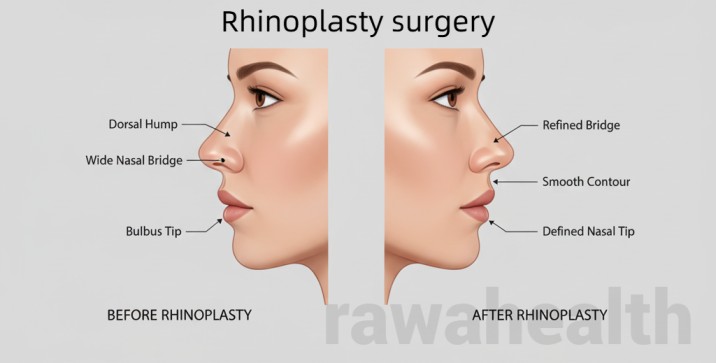
Rhinoplasty, commonly referred to as a nose job, is a surgical procedure designed to reshape or reconstruct the nose. This surgery can be performed for aesthetic reasons, functional improvements, or a combination of both. Patients may seek rhinoplasty to alter the size, shape, or proportions of their nose, correct deformities from birth or trauma, or improve breathing difficulties.
The nose is composed of bone in the upper portion and cartilage in the lower portion. Rhinoplasty may involve modification of bone, cartilage, and skin, either individually or in combination, depending on the patient’s needs and goals. Surgeons carefully assess facial features, skin type, nasal structure, and patient expectations to plan a personalized procedure.
Why Choose Rhinoplasty?
Rhinoplasty may be sought for multiple reasons, including:
- Cosmetic enhancement: Improving the appearance of the nose to create balance and harmony with other facial features.
- Functional improvement: Correcting breathing difficulties due to structural issues such as a deviated septum.
- Correction of deformities: Repairing congenital abnormalities, injuries, or trauma that distort nasal structure.
- Restoration after disease: Rebuilding nasal structure following cancer treatment, burns, or other medical conditions.
Candidates for rhinoplasty are typically in good physical health, have completed facial growth, and understand the limitations and expected outcomes of the procedure. Non-smokers with realistic goals are ideal candidates.
Rhinoplasty: Pre-Surgery Assessment
Medical History
A thorough medical evaluation is critical. Surgeons discuss patient goals, prior surgeries, history of nasal blockage, medications, and any bleeding disorders, which could affect suitability for surgery.
Physical Examination
The surgeon examines facial features, nasal structure, skin thickness, and cartilage strength. This evaluation determines how the nose can be reshaped and how surgery might affect breathing.
Photographs and Simulation
Photographs from multiple angles are taken, and surgeons may use imaging software to provide a visual representation of potential results. These images facilitate discussions about surgical goals.
Discussion of Expectations
Open communication between patient and surgeon ensures realistic expectations. Surgeons may also discuss complementary procedures, such as chin augmentation, to enhance facial balance.
Preparation for Surgery
Arrange transportation home after outpatient surgery.
Avoid aspirin, ibuprofen, herbal supplements, and smoking for several weeks before and after surgery.
Ensure support from a family member or friend during initial recovery.
Rhinoplasty Surgical Procedure
Anesthesia Options
- Local anesthesia with sedation: Numbs the surgical site and induces a relaxed, sleep-like state.
- General anesthesia: Puts the patient fully asleep and requires airway support.
Surgical Approaches
- Open Rhinoplasty: The surgeon makes incisions across the base of the nose, providing full visibility and access for significant reshaping.
- Closed Rhinoplasty: The surgeon makes incisions inside the nostrils, typically for minor adjustments.
Procedure Details
- The surgeon lifts the skin and soft tissue to expose the underlying bone and cartilage.
- The surgeon reshapes, reduces, or augments the bone and cartilage using tissue from the nose, ear, rib, or synthetic implants.
- The surgeon can correct a deviated septum simultaneously to improve airflow.
- The surgeon repositions the skin and soft tissue and closes the incisions with sutures.
The procedure usually lasts between 1–3 hours, depending on complexity.
Post-Operative Care After Rhinoplasty
Immediate Recovery
- The medical team monitors patients in a recovery room until the anesthesia wears off.
- Outpatient procedures allow patients to go home the same day; sometimes, they require an overnight stay.
Nasal Support
- Splints protect and maintain the new nasal shape for 1–2 weeks.
- Internal packing may be used for 1–7 days to reduce bleeding and support healing.
Activity Restrictions
- Avoid strenuous activities, heavy lifting, and facial pressure for several weeks.
- Elevate the head while resting to minimize swelling.
- Refrain from blowing the nose; sneeze or cough with the mouth open.
Hygiene and Diet
- Soft, high-fiber foods prevent constipation, which can increase nasal pressure.
- Gentle dental hygiene is recommended to avoid upper lip movement.
- Sun protection is essential to prevent skin discoloration on the nose.
Swelling and Healing Timeline in Rhinoplasty
- First few weeks: Noticeable swelling, minor bruising, and temporary numbness.
- 1–3 months: Most swelling subsides; facial appearance gradually improves.
- 6–12 months: Final shape becomes apparent; minor residual swelling may persist.
Asymmetrical healing is common and typically resolves naturally. Most patients require only one procedure, though some may benefit from a secondary revision after one year.
Rhinoplasty Risks and Complications
Potential risks include:
- Bleeding and infection
- Nasal septum perforation
- Unsatisfactory cosmetic results
- Scarring or discoloration
- Altered sense of smell
- Need for additional surgery
Discuss individual risks with your surgeon prior to surgery.
Rhinoplasty Results and Longevity
Rhinoplasty provides permanent changes to nasal structure and appearance. Minor adjustments can make significant aesthetic differences. Functional improvements, such as corrected breathing, are usually evident within weeks. Full cosmetic results can take up to a year to manifest completely.
Cost of Rhinoplasty Surgery: India vs. Other Countries
Rhinoplasty costs vary based on complexity, surgeon expertise, and location. Approximate ranges for comparison:
| Country | Average Cost (USD) |
|---|---|
| India | $1,500 – $5,000 |
| United States | $5,000 – $15,000 |
| Turkey | $4,000 – $8,000 |
| Thailand | $4,500 – $6,500 |
Costs include surgeon fees, anesthesia, facility charges, and post-operative care. Additional expenses may arise for revision surgery or advanced procedures.
Recovery Timeline and Resuming Activities After Rhinoplasty
| Activity | Timeline |
|---|---|
| Return to work/school | 1–2 weeks |
| Light exercise | 4–6 weeks |
| Heavy lifting | 6 weeks |
| Full facial healing | 6–12 months |
Patients should follow all post-operative instructions closely to ensure optimal results.
Conclusion
Rhinoplasty is a highly personalized surgical procedure that can enhance both appearance and function of the nose. With careful planning, a qualified surgeon, and proper post-operative care, patients can achieve safe, lasting results. The procedure requires patience and realistic expectations, but it often provides significant aesthetic and functional benefits, improving confidence and quality of life.
Our Step-by-Step Process – How We Work
- Initial Consultation: Understand medical history, concerns, and goals for personalized guidance.
- Personalized Treatment Plan: Customized plan with recommended treatment, costs, and timeline.
- Travel & Preparation: Visa, airport transfers, accommodation, and language support.
- Scheduling & Procedure: Treatment at top hospitals with experienced doctors using advanced technology.
- Aftercare & Follow-Up: Nursing care, follow-ups, and continuous support for smooth recovery.
Why Patients Choose India for Medical Treatment
- Expert Doctors & Specialists: Highly skilled, internationally trained doctors handle advanced procedures and complex surgeries.
- State-of-the-Art Hospitals: Modern hospitals with latest technology and international accreditations ensure world-class treatment.
- Affordable Costs: Medical care in India is 30%–70% cheaper than in Western countries without compromising quality.
- Quick Access: Minimal waiting times allow patients to get treated promptly.
- End-to-End Support: Visa, airport transfers, accommodation, language translation, and post-treatment follow-up provided.
- High Success Rates: Proven track record in surgeries, transplants, and advanced treatments.
- Personalized Care: Individual attention ensures a smooth, safe, and comfortable medical journey.
Get Started with Rawa Health Services
- If you’re considering treatment in India, Rawa Health Services will guide you every step of the way:
- ✅ Free Pre-Surgery Consultation
✅ Doctor & Hospital Appointment
✅ Visa & Travel Assistance
✅ Airport Pickup & Accommodation
✅ Post-Treatment Support
✅ Multilingual Translators for Your Native Language - 📞 Call/WhatsApp: +91-9990978550
📧 Email: rawahealthservices@gmail.com