Prostate Surgery in India – Types, Procedure, Benefits, Risks & Cost
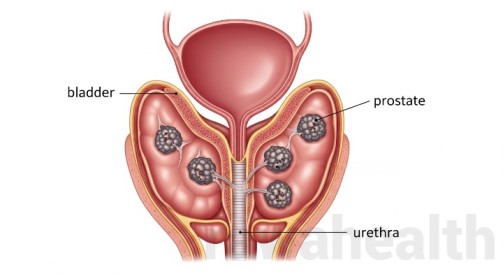
Prostate surgery is an important treatment option for men experiencing serious prostate-related health problems. The prostate gland, located just below the bladder, can enlarge with age or develop cancer. These conditions often cause urinary difficulties, pain, or even life-threatening complications if untreated. Modern medical advancements have made prostate surgery more precise, less invasive, and highly effective in restoring health and improving quality of life.
This detailed article explores the different types of prostate surgery, the step-by-step procedure, preparation, recovery, potential risks, and the cost of prostate surgery in India.
What is Prostate Surgery?
Prostate surgery refers to operations performed to remove part or all of the prostate gland. It is recommended when medications fail, when urinary symptoms worsen, or when prostate cancer is detected. Depending on the medical condition, the surgeon may perform either partial removal (commonly for benign prostatic hyperplasia) or complete removal (usually for cancer).
The goals of prostate surgery include:
- Restoring normal urine flow.
- Preventing damage to the kidneys and bladder.
- Relieving pain and discomfort.
- Removing cancerous tissue to stop the spread of disease.
Types of Prostate Surgery
Several surgical options are available. The choice depends on whether the patient has an enlarged prostate (BPH), prostate cancer, or another condition.
1. Transurethral Resection of the Prostate (TURP)
- Considered the gold standard for treating BPH.
- A resectoscope is inserted through the urethra to shave away portions of the enlarged prostate.
- Benefits include immediate symptom relief, improved urine flow, and reduced frequency of urination.
2. Open Prostatectomy
- Requires a surgical incision in the abdomen.
- Recommended for patients with very large prostates or when other approaches are not suitable.
- Provides long-term relief but involves a longer recovery period and hospital stay.
3. Laparoscopic Prostatectomy
- Performed through small incisions using specialized instruments.
- Causes less blood loss and less pain compared to open surgery.
- Shorter hospital stay and quicker return to normal activities.
4. Robotic-Assisted Prostatectomy
- A more advanced minimally invasive technique.
- The surgeon controls robotic arms for precise movements.
- Offers better visualization, minimal scarring, reduced complications, and faster recovery.
5. Laser Surgery
- Uses high-energy laser beams to vaporize or remove prostate tissue.
- Suited for men with bleeding risks or certain health conditions.
- Involves less blood loss and quicker healing compared to TURP or open methods.
6. Radical Prostatectomy
- Complete removal of the prostate gland, usually in prostate cancer cases.
- Can be performed as open, laparoscopic, or robotic-assisted.
- Aims to cure cancer and prevent its spread to other organs.
Who Needs Prostate Surgery?
Not every man with prostate problems requires surgery. Doctors recommend it if:
- Urinary symptoms become severe and unmanageable with medicines.
- Frequent urinary retention occurs.
- Repeated urinary tract infections develop due to prostate blockage.
- Bladder stones or blood in urine appear.
- Kidney function becomes threatened.
- Prostate cancer is diagnosed and surgical removal is the best treatment.
Men experiencing weak urine flow, constant urgency, or pain should seek medical evaluation. Early diagnosis helps determine whether surgery is necessary.
Preparing for Prostate Surgery
Proper preparation ensures smoother surgery and recovery. Patients usually need to:
- Undergo diagnostic tests such as blood work, PSA levels, ECG, and imaging.
- Stop blood-thinning medications under doctor’s advice.
- Follow dietary restrictions before surgery, including fasting.
- Quit smoking and reduce alcohol for better healing.
- Discuss anesthesia and post-operative expectations with the surgeon.
Emotional readiness is equally important. Patients should understand the procedure, ask questions, and involve family support.
How is Prostate Surgery Performed?
The procedure varies depending on the surgical method:
- Anesthesia – Either general or spinal anesthesia is given.
- Accessing the Prostate – For TURP and laser surgery, the surgeon reaches the prostate through the urethra. For open or robotic surgeries, small or large abdominal incisions are made.
- Removal of Tissue – Enlarged or cancerous tissue is carefully cut away.
- Catheter Placement – A temporary urinary catheter ensures proper urine drainage during healing.
- Closure and Recovery – Incisions are closed (if any), and the patient is shifted to recovery for monitoring.
Minimally invasive methods like laparoscopic and robotic surgery involve less blood loss, smaller scars, and quicker discharge compared to open surgery.
Recovery After Prostate Surgery
The recovery period depends on the type of procedure and overall health. Key aspects include:
- Hospital Stay – 1–2 days for minimally invasive surgeries, up to a week for open procedures.
- Catheter Use – Most patients need a catheter for a few days to aid urination.
- Activity Level – Light activities can begin within days, but heavy lifting or exercise should be avoided for 4–6 weeks.
- Diet and Fluids – A fiber-rich diet and plenty of water help reduce constipation and promote healing.
- Follow-Up – Regular appointments track recovery, manage catheters, and check urinary control.
Most men resume normal life within 4–6 weeks, though complete recovery may take longer for major surgeries.
Benefits of Prostate Surgery
- Relief from urinary blockage and symptoms.
- Improved bladder emptying and reduced infections.
- Lower risk of kidney damage caused by untreated prostate conditions.
- Effective cure for localized prostate cancer.
- Enhanced quality of life with improved comfort.
- Minimally invasive techniques offer faster recovery, shorter hospital stays, and less pain.
Risks and Considerations
While prostate surgery is safe and widely performed, risks include:
- Urinary incontinence (temporary or rarely long-term).
- Erectile dysfunction, especially after radical prostatectomy.
- Bleeding or infection at the surgical site.
- Scar tissue formation leading to urethral narrowing.
- Reactions to anesthesia in rare cases.
Discussing possible complications beforehand helps patients prepare mentally and physically.
Cost of Prostate Surgery in India
India offers advanced prostate surgery at a fraction of the cost compared to many Western nations, making it a preferred destination for international patients. The cost varies depending on the procedure, city, hospital, and technology used.
Prostate Surgery Cost in India
| Type of Surgery | Average Cost (USD) |
|---|---|
| TURP (Transurethral Resection) | $2,000 – $3,500 |
| Open Prostatectomy | $3,500 – $5,000 |
| Laparoscopic Prostatectomy | $4,500 – $6,500 |
| Robotic Prostatectomy | $6,000 – $9,000 |
| Laser Surgery | $3,000 – $4,500 |
| Radical Prostatectomy | $5,000 – $8,000 |
Conclusion
Prostate surgery in India combines advanced medical expertise, cutting-edge technology, and affordable pricing. Whether it is for benign prostatic hyperplasia or prostate cancer, patients can choose from a range of surgical options, including TURP, laser therapy, and robotic-assisted procedures.
With proper preparation, skilled surgeons, and careful recovery, men can overcome prostate-related issues and return to a healthier, more comfortable life. Affordable prostate surgery cost in India further makes the country an attractive choice for both domestic and international patients.
Our Step-by-Step Process – How We Work
- Initial Consultation: Understand medical history, concerns, and goals for personalized guidance.
- Personalized Treatment Plan: Customized plan with recommended treatment, costs, and timeline.
- Travel & Preparation: Visa, airport transfers, accommodation, and language support.
- Scheduling & Procedure: Treatment at top hospitals with experienced doctors using advanced technology.
- Aftercare & Follow-Up: Nursing care, follow-ups, and continuous support for smooth recovery.
Why Patients Choose India for Medical Treatment
- Expert Doctors & Specialists: Highly skilled, internationally trained doctors handle advanced procedures and complex surgeries.
- State-of-the-Art Hospitals: Modern hospitals with latest technology and international accreditations ensure world-class treatment.
- Affordable Costs: Medical care in India is 30%–70% cheaper than in Western countries without compromising quality.
- Quick Access: Minimal waiting times allow patients to get treated promptly.
- End-to-End Support: Visa, airport transfers, accommodation, language translation, and post-treatment follow-up provided.
- High Success Rates: Proven track record in surgeries, transplants, and advanced treatments.
- Personalized Care: Individual attention ensures a smooth, safe, and comfortable medical journey.
Get Started with Rawa Health Services
- If you’re considering treatment in India, Rawa Health Services will guide you every step of the way:
- ✅ Free Pre-Surgery Consultation
✅ Doctor & Hospital Appointment
✅ Visa & Travel Assistance
✅ Airport Pickup & Accommodation
✅ Post-Treatment Support
✅ Multilingual Translators for Your Native Language - 📞 Call/WhatsApp: +91-9990978550
📧 Email: rawahealthservices@gmail.com