Prostate Removal Surgery
Prostate removal surgery, medically known as prostatectomy, is a common surgical procedure performed to treat prostate cancer and certain non-cancerous prostate conditions. The surgery involves partial or complete removal of the prostate gland to eliminate disease, relieve urinary symptoms, and prevent the spread of cancer. Over the years, advancements in surgical techniques have made prostatectomy safer, more precise, and associated with faster recovery.
This detailed guide explains what prostate removal surgery is, why it is performed, types of procedures, step-by-step surgical process, recovery, benefits, risks, and long-term outcomes.
What Is Prostate Removal Surgery?
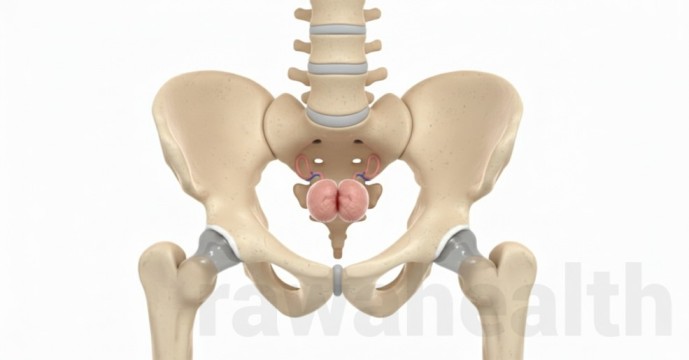
Prostate removal surgery is a procedure in which surgeons remove the prostate gland, and in some cases, surrounding tissues such as seminal vesicles or nearby lymph nodes. The prostate is a small gland located below the bladder and in front of the rectum, playing a key role in male reproductive health.
Doctors most commonly recommend this surgery for localized prostate cancer, meaning cancer that has not spread beyond the prostate. In some cases, severe benign prostatic hyperplasia (BPH) that does not respond to medication may also require surgical removal.
Once the prostate is removed, prostate cancer can often be cured completely if detected early.
Why Is Prostate Removal Surgery Needed?
Doctors advise prostatectomy for several medical reasons, including:
- Prostate cancer confined to the gland
- High-risk or aggressive prostate cancer
- Cancer recurrence after radiation therapy
- Severe urinary obstruction due to prostate enlargement
- Failure of non-surgical treatments
- Complications such as recurrent urinary retention or infections
In cancer cases, surgery aims to remove all cancerous tissue and reduce the risk of spread to other organs.
Types of Prostate Removal Surgery
Several surgical techniques are available, depending on the patient’s condition, age, and overall health.
1. Radical Prostatectomy
Radical prostatectomy involves complete removal of the prostate gland along with seminal vesicles. This is the most common approach for prostate cancer treatment.
Types include:
- Open Radical Prostatectomy
- Laparoscopic Radical Prostatectomy
- Robotic-Assisted Prostatectomy
2. Robotic Prostate Removal Surgery
- Robotic-assisted surgery uses advanced robotic arms controlled by the surgeon. It offers high precision, smaller incisions, less blood loss, and faster recovery.
3. Laparoscopic Prostatectomy
- This minimally invasive approach uses small incisions and a camera-guided system. It results in reduced pain and shorter hospital stay compared to open surgery.
4. Simple Prostatectomy
- This procedure removes only the inner part of the prostate and is usually performed for severe benign prostate enlargement, not cancer.
Preoperative Evaluation and Preparation
Before prostate removal surgery, doctors perform a detailed evaluation to ensure safety and accuracy.
Pre-surgery assessments include:
- Blood and urine tests
- PSA (Prostate-Specific Antigen) levels
- MRI or CT scan
- Prostate biopsy confirmation
- Cardiac and anesthesia evaluation
Patients are advised to stop smoking, avoid blood-thinning medications, and follow fasting instructions before surgery.
Step-by-Step Prostate Removal Surgery Procedure
Surgeons perform prostatectomy under general anesthesia, and the procedure usually takes 2–4 hours.
1. Anesthesia and Positioning
- The anesthesia team administers general anesthesia, and the surgical team positions the patient carefully to allow safe and clear surgical
access.
2. Surgical Access
- Depending on the chosen technique, the surgeon creates either a single incision for open surgery or multiple small incisions for laparoscopic or robotic surgery.
3. Prostate Removal
- The surgeon carefully separates and removes the prostate gland along with affected tissues, while protecting surrounding structures, including nerves responsible for bladder control and sexual function.
4. Bladder Reconnection
- The surgeon reconnects the bladder to the urethra to restore normal urine flow.
5. Catheter Placement
- The surgeon inserts a urinary catheter to support healing and ensure proper urine drainage during recovery.
6. Closure
- The surgeon closes the incisions and transfers the patient to the recovery area.
Recovery After Prostate Removal Surgery
Recovery varies based on surgical technique and individual health.
Hospital Stay
- Open surgery: 3–5 days
- Robotic or laparoscopic surgery: 1–3 days
Initial Recovery
- Catheter remains for 7–14 days
- Mild pain and fatigue are common
- Walking is encouraged to prevent complications
At Home Recovery
- Light activities resume in 2–3 weeks
- Avoid heavy lifting for 4–6 weeks
- Full recovery usually occurs within 6–8 weeks
Life After Prostate Removal Surgery
Life after prostatectomy improves significantly for most patients, especially when cancer is successfully removed.
Urinary Control
- Temporary urinary leakage is common initially. However, pelvic floor exercises help regain control within weeks to months.
Sexual Function
- Erectile dysfunction may occur temporarily or permanently, depending on nerve preservation and age. Medications and therapies often improve function over time.
Cancer Monitoring
- Regular PSA tests are required to ensure cancer does not return.
Benefits of Prostate Removal Surgery
- Complete removal of cancerous tissue
- High cure rates in early-stage prostate cancer
- Relief from urinary obstruction
- Reduced risk of cancer spread
- Long-term survival improvement
- No need for prolonged radiation in many cases
Risks and Possible Complications
Although prostatectomy is generally safe, potential risks include:
- Bleeding
- Infection
- Urinary incontinence
- Erectile dysfunction
- Narrowing of the urethra
- Blood clots (rare)
Choosing an experienced surgical team significantly lowers these risks.
Prostate Removal Surgery vs Other Treatments
| Treatment Option | When Used |
|---|---|
| Surgery | Localized, curable cancer |
| Radiation therapy | Older patients or high-risk surgery |
| Hormone therapy | Advanced cancer |
| Active surveillance | Slow-growing cancer |
Doctors choose treatment based on cancer stage, age, and overall health.
Cost of Prostate Removal Surgery in India
| Surgery Type | Cost (USD) |
|---|---|
| Open Radical Prostatectomy | $3,500 – $5,500 |
| Laparoscopic Prostatectomy | $4,000 – $6,500 |
| Robotic-Assisted Prostatectomy | $6,000 – $9,000 |
| Simple Prostatectomy (BPH) | $3,000 – $5,000 |
Conclusion
Our Step-by-Step Process – How We Work
- Initial Consultation: Understand medical history, concerns, and goals for personalized guidance.
- Personalized Treatment Plan: Customized plan with recommended treatment, costs, and timeline.
- Travel & Preparation: Visa, airport transfers, accommodation, and language support.
- Scheduling & Procedure: Treatment at top hospitals with experienced doctors using advanced technology.
- Aftercare & Follow-Up: Nursing care, follow-ups, and continuous support for smooth recovery.
Why Patients Choose India for Medical Treatment
- Expert Doctors & Specialists: Highly skilled, internationally trained doctors handle advanced procedures and complex surgeries.
- State-of-the-Art Hospitals: Modern hospitals with latest technology and international accreditations ensure world-class treatment.
- Affordable Costs: Medical care in India is 60%–70% cheaper than in Western countries without compromising quality.
- Quick Access: Minimal waiting times allow patients to get treated promptly.
- End-to-End Support: Visa, airport transfers, accommodation, language translation, and post-treatment follow-up provided.
- High Success Rates: Proven track record in surgeries, transplants, and advanced treatments.
- Personalized Care: Individual attention ensures a smooth, safe, and comfortable medical journey.
Get Started with Rawa Health Services
- If you’re considering treatment in India, Rawa Health Services will guide you every step of the way:
- ✅ Free Pre-Surgery Consultation
✅ Doctor & Hospital Appointment
✅ Visa & Travel Assistance
✅ Airport Pickup & Accommodation
✅ Post-Treatment Support
✅ Multilingual Translators for Your Native Language - 📞 Call/WhatsApp: +91-9990978550
📧 Email: rawahealthservices@gmail.com