Partial Knee Replacement Surgery
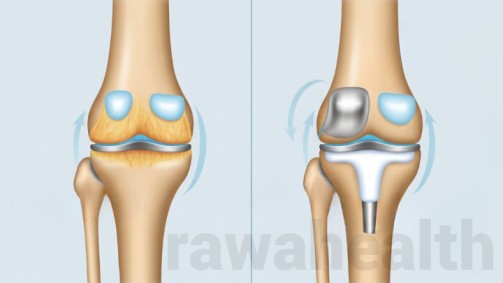
Partial knee replacement surgery, also known as unicompartmental knee replacement (UKR), is an advanced orthopedic procedure designed for patients whose arthritis is limited to only one compartment of the knee. Unlike total knee replacement, which involves replacing the entire knee joint, partial replacement targets only the damaged area. This makes the surgery less invasive, more precise, and provides a faster and more natural recovery.
With modern robotics and minimally invasive techniques, partial knee replacement offers long-lasting relief from pain, stiffness, and mobility limitations caused by osteoarthritis. Below is a complete and detailed guide to help patients understand every aspect of the procedure—from diagnosis to recovery and cost.
What Is Partial Knee Replacement?
The knee joint is divided into three compartments:
- Medial (inner) compartment
- Lateral (outer) compartment
- Patellofemoral (front) compartment
When osteoarthritis affects only one of these compartments, doctors recommend partial knee replacement instead of replacing the entire joint.
During the procedure, the damaged bone and cartilage are removed and replaced with metal and plastic implants, while the healthy bone, ligaments, and cartilage are preserved. This leads to a more natural movement pattern after surgery.
Who Is an Ideal Candidate for Partial Knee Replacement?
Partial knee replacement is not suitable for every patient. Surgeons evaluate several factors before recommending it.
Ideal candidates include individuals who:
- Have arthritis limited to a single compartment
- Experience pain during activities like walking or climbing stairs
- Have not responded to physiotherapy, injections, or medications
- Have intact ligaments, especially ACL and PCL
- Have minimal knee deformity (not severe bow-leg or knock-knee)
- Want faster recovery and natural knee motion
Symptoms that indicate you may need surgery:
- Inner or outer knee pain
- Stiffness in one area of the knee
- Swelling that does not improve
- Difficulty standing, squatting, or climbing
- Grinding or locking sensation
If arthritis has spread across all compartments, total knee replacement becomes the better option.
Benefits of Partial Knee Replacement Surgery
One of the biggest advantages of this procedure is that it preserves the natural mechanics of the knee.
Key Benefits
- Less invasive than total knee replacement
- Faster recovery – patients often walk the same day
- Less blood loss
- Smaller incisions, minimal scarring
- More natural knee movement due to preserved ligaments
- Better range of motion
- Lower risk of complications
- Shorter hospital stay (1–2 days)
- Long-lasting implants (15–20 years or more)
These advantages make partial knee replacement highly suitable for younger and active individuals.
Types of Partial Knee Replacement
Surgeons choose the type of surgery based on the location of arthritis.
1. Medial Unicompartmental Knee Replacement
- Most common
- Performed when arthritis affects the inner part of the knee
2. Lateral Unicompartmental Knee Replacement
- For arthritis affecting the outer compartment
- Less common, but equally effective
3. Patellofemoral Joint Replacement
- Corrects damage behind the kneecap
- Ideal for patients with anterior knee pain
In complex situations, partial replacement can be combined with cartilage restoration or ligament repair.
Pre-Surgery Evaluation and Preparation
Before undergoing partial knee replacement, patients must complete essential tests and evaluations.
Diagnostic tests may include:
- X-rays
- MRI scan
- Blood tests & ECG
- Knee joint examination
- Gait and mobility assessment
Pre-surgery instructions:
- Stop smoking and alcohol
- Avoid blood thinners (with doctor approval)
- Strengthen leg muscles with physiotherapy
- Maintain blood sugar control (if diabetic)
- Discuss current medications
Proper preparation helps reduce complications and improves surgical outcomes.
How Partial Knee Replacement Surgery Is Performed
The surgery typically takes 60–90 minutes and is performed under general or spinal anesthesia.
Step-by-step procedure:
1. Incision
- A small incision (6–8 cm) is made on the knee, usually on the side where the arthritis is located.
2. Inspection of Knee Compartments
- The surgeon checks the condition of cartilage and ligaments to confirm suitability.
3. Removal of Damaged Tissue
- Only the affected bone and cartilage are removed, preserving all healthy structures.
4. Placement of Implants
- Metal and polyethylene implants are attached to the bone to recreate the joint surfaces.
5. Testing Movement
- The surgeon checks knee movement, alignment, and stability.
6. Closure
- Incisions are closed with sutures, and a dressing is applied.
Robotic-Assisted Partial Knee Replacement
- Modern robotic systems increase precision, reduce error, and improve implant longevity. This method is increasingly preferred worldwide.
Recovery After Partial Knee Replacement
Recovery is significantly faster compared to total knee replacement.
Immediately After Surgery
- Walking usually starts within hours
- Pain is managed with medication
- Physiotherapy begins the same day or next day
First 1–2 Weeks
- Swelling gradually reduces
- Patients can walk with a walker or cane
- Daily physiotherapy is essential
Weeks 3–6
- Return to light daily activities
- Improved strength and balance
- Driving may be allowed with doctor approval
6 Weeks – 3 Months
- Most patients experience major improvement
- Can resume low-impact activities like walking, cycling, and swimming
3–6 Months
- Full recovery
- Knee becomes stable, flexible, and pain-free
Following rehabilitation instructions is crucial for long-term success.
Life After Partial Knee Replacement
Patients often feel a dramatic improvement in quality of life. Common improvements include:
- Ability to walk longer distances
- Reduction or elimination of knee pain
- Improved sleep
- Stability and confidence in movement
- Ability to climb stairs comfortably
- Better participation in low-impact sports
Patients also report that the knee feels more natural compared to total knee replacement.
Risks and Complications
Although safe, partial knee replacement carries some risks:
- Infection
- Blood clots
- Implant loosening
- Persistent pain
- Stiffness
- Nerve or blood vessel injury (rare)
- Need for revision surgery
Choosing an experienced orthopedic surgeon significantly reduces these risks.
Cost of Partial Knee Replacement Surgery in India
| Surgery Type | Cost (USD) |
|---|
| Standard Partial Knee Replacement | $3,000 – $6,000 |
| Patellofemoral Joint Replacement | $3,500 – $6,500 |
| Robotic Partial Knee Replacement | $5,500 – $8,000 |
Conclusion
Partial knee replacement surgery is an excellent option for patients suffering from arthritis limited to a single compartment of the knee. With minimal tissue damage, smaller incisions, and faster recovery, it offers natural movement and long-lasting pain relief. Thanks to modern technology, especially robotic-assisted surgery, the success rates are higher than ever.
Patients can return to an active, pain-free lifestyle within weeks, enjoying improved mobility and quality of life. When performed by experienced orthopedic surgeons, partial knee replacement provides durable, safe, and highly satisfying results.
Our Step-by-Step Process – How We Work
- Initial Consultation: Understand medical history, concerns, and goals for personalized guidance.
- Personalized Treatment Plan: Customized plan with recommended treatment, costs, and timeline.
- Travel & Preparation: Visa, airport transfers, accommodation, and language support.
- Scheduling & Procedure: Treatment at top hospitals with experienced doctors using advanced technology.
- Aftercare & Follow-Up: Nursing care, follow-ups, and continuous support for smooth recovery.
Why Patients Choose India for Medical Treatment
- Expert Doctors & Specialists: Highly skilled, internationally trained doctors handle advanced procedures and complex surgeries.
- State-of-the-Art Hospitals: Modern hospitals with latest technology and international accreditations ensure world-class treatment.
- Affordable Costs: Medical care in India is 60%–70% cheaper than in Western countries without compromising quality.
- Quick Access: Minimal waiting times allow patients to get treated promptly.
- End-to-End Support: Visa, airport transfers, accommodation, language translation, and post-treatment follow-up provided.
- High Success Rates: Proven track record in surgeries, transplants, and advanced treatments.
- Personalized Care: Individual attention ensures a smooth, safe, and comfortable medical journey.
Get Started with Rawa Health Services
- If you’re considering treatment in India, Rawa Health Services will guide you every step of the way:
- ✅ Free Pre-Surgery Consultation
✅ Doctor & Hospital Appointment
✅ Visa & Travel Assistance
✅ Airport Pickup & Accommodation
✅ Post-Treatment Support
✅ Multilingual Translators for Your Native Language - 📞 Call/WhatsApp: +91-9990978550
📧 Email: rawahealthservices@gmail.com