
Panniculectomy Explained – Safe Surgery, Costs & Results
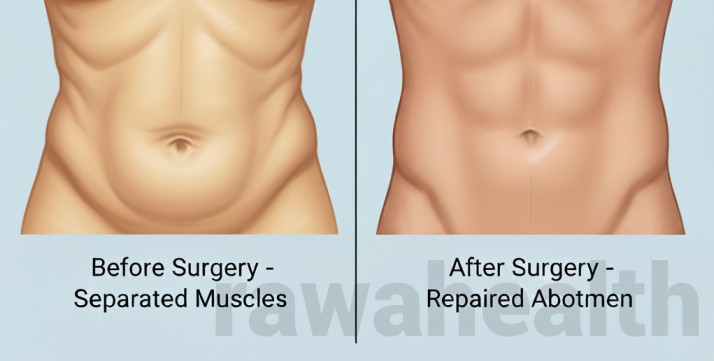
Panniculectomy is a specialized surgical procedure designed to remove excess skin and fat from the lower abdomen. This condition, often referred to as a “pannus” or abdominal apron, occurs when skin hangs over the hips, thighs, or genital area. While not a weight-loss surgery, a panniculectomy can significantly improve comfort, hygiene, and the appearance of the abdominal region. The procedure is particularly beneficial for individuals who have experienced significant weight fluctuations, pregnancy, or natural aging, leading to sagging skin in the abdominal area.
Unlike a traditional tummy tuck, a panniculectomy focuses solely on the removal of excess skin and fatty tissue, rather than tightening underlying abdominal muscles. This makes it ideal for individuals who are primarily concerned with the health and cosmetic issues caused by overhanging abdominal skin.
The results of a panniculectomy can be long-lasting if the patient maintains a stable weight and follows post-operative care instructions. Beyond aesthetic improvements, the procedure can alleviate physical discomfort, improve mobility, and enhance overall quality of life.
Who is a Candidate for a Panniculectomy?
Not everyone is suitable for a panniculectomy. Ideal candidates generally:
- Have a large pannus that hangs over the hips, thighs, or genital area.
- Are in good overall health with no serious medical conditions that affect healing.
- Have maintained a stable weight for at least six months.
- Do not smoke, as tobacco can impair healing and increase risks of complications.
- Have realistic expectations regarding the results of the surgery.
Individuals who have recently undergone significant weight loss or pregnancy may find a panniculectomy especially helpful. In some cases, those considering future pregnancies may be advised to delay surgery, as pregnancy can stretch the abdominal skin again.
Reasons to Consider a Panniculectomy
A panniculectomy addresses both functional and cosmetic concerns. Key reasons for undergoing this procedure include:
- Hygiene Improvement – Excess abdominal skin can trap moisture and create conditions for bacterial or fungal infections. Removing the pannus makes cleaning easier and reduces the risk of infections.
- Reduction of Skin Irritation – Friction caused by overlapping skin folds often leads to rashes, sores, or infections. Removing this tissue helps prevent recurrent skin problems.
- Enhanced Mobility – Large amounts of hanging skin can limit movement, making it difficult to walk, bend, or perform daily activities. Removing the pannus improves physical freedom.
- Pain Relief – Some individuals experience lower back pain or discomfort due to the weight and pull of excess abdominal tissue. Panniculectomy can reduce strain and associated pain.
- Boosted Self-Esteem – Many patients feel more confident and satisfied with their appearance after surgery.
- Clothing Fit – Clothes fit more comfortably and may appear more flattering.
Preparation for Surgery
Proper preparation is critical for a safe and successful panniculectomy. Patients are advised to:
- Attend a detailed consultation with their surgeon to discuss medical history, prior surgeries, and expectations.
- Undergo necessary lab tests or imaging studies, including blood tests or a physical examination.
- Disclose all medications, including over-the-counter drugs, supplements, and herbal remedies. Some medications like aspirin or anti-inflammatory drugs may need to be stopped before surgery.
- Avoid smoking, as it can interfere with healing and increase surgical risks.
- Follow fasting instructions prior to surgery, usually avoiding food or drink the night before.
- Arrange for post-surgery care, including transportation home and assistance during initial recovery.
The surgeon may also take photographs of the abdomen from various angles for medical records and surgical planning. Additionally, the size and grade of the pannus are assessed to determine the extent of skin removal required.
Surgical Procedure
The surgeon performs the panniculectomy procedure under general anesthesia, ensuring the patient stays asleep and pain-free. The surgical steps generally include:
- Incision: The surgeon makes a horizontal incision above the pubic area, extending toward the hips. The length depends on the amount of excess skin.
- Removal of Skin and Fat: The surgeon lifts and removes the excess abdominal skin. In some cases, the surgeon repositions the belly button.
- Closure: The surgeon pulls the remaining skin together and closes the incision using sutures.
- Drain Placement: The surgical team inserts small tubes to drain excess blood or fluid, reducing the risk of swelling or hematoma.
- Dressing: The medical team applies bandages or compression garments to support the healing tissues and minimize swelling.
The surgeon usually completes the procedure within 1 to 3 hours, depending on the size of the pannus and the complexity of the surgery.
Recovery After a Panniculectomy
Recovering from a panniculectomy requires time and patience. Immediately after surgery, the medical team monitors patients in a recovery room to ensure their vital signs remain stable. Some common post-operative experiences include:
- Pain and Discomfort: Patients experience swelling, bruising, and soreness, especially during the first few days. Doctors usually manage pain with prescribed medications or over-the-counter pain relievers.
- Wound Care: Patients cover incisions with bandages and often wear an elastic compression garment to support the abdomen and reduce swelling.
- Drain Management: If the surgeon places surgical drains, patients must follow instructions to empty and clean them. Surgeons typically remove drains within a few days.
- Physical Activity: Patients can resume light daily activities within one to two weeks. They should avoid strenuous exercise, heavy lifting, or bending for at least six weeks.
- Sleeping Position: Patients should sleep on their back or slightly elevated to avoid putting pressure on the abdominal area.
Patients usually fully recover over several months, and their abdomen continues to improve in contour as swelling subsides and tissues heal completely.
Risks and Complications
Like any major surgery, panniculectomy carries certain risks. While most patients experience smooth recoveries, complications can occur, including:
- Bleeding or Hematoma – Accumulation of blood under the skin may require drainage.
- Infection – Proper wound care and antibiotics can minimize this risk.
- Delayed Wound Healing – Especially in patients with diabetes or compromised health.
- Seroma – Fluid accumulation at the surgical site.
- Numbness or Changes in Sensation – Often temporary, but some patients may experience prolonged numbness.
- Scarring – Scars are permanent but usually fade over time.
- Skin Discoloration or Swelling – Temporary changes in skin appearance can occur.
- Asymmetry – The abdomen may appear uneven in some cases, occasionally requiring revision surgery.
Careful preoperative evaluation and following post-surgical instructions significantly reduce the likelihood of complications.
Scar Appearance and Management
Panniculectomy scars vary based on the surgical technique and the size of the pannus. Typical characteristics include:
- Linear Scars – Most common, running horizontally across the lower abdomen from hip to hip.
- Fleur-de-Lis Scars – “T”-shaped scars may be necessary for extensive skin removal.
- Fading Over Time – Scars generally soften and lighten within 6–12 months, but they never completely disappear.
Scar management strategies may include silicone sheets, gels, and proper sun protection to improve appearance. Following the surgeon’s instructions regarding incision care is critical for optimal scar healing.
Long-Term Results
The results of a panniculectomy can be long-lasting if weight is maintained. Key benefits include:
- Permanent Removal of Excess Skin – As long as significant weight changes are avoided.
- Improved Mobility – Physical activities become easier and more comfortable.
- Enhanced Self-Confidence – Patients often report greater satisfaction with body image.
- Better Hygiene – Reduced risk of rashes and infections due to excess skin removal.
Weight fluctuations, pregnancy, or aging may affect results, but overall, the procedure offers substantial functional and aesthetic benefits.
Cost of Panniculectomy Surgery in India
Panniculectomy costs vary depending on the hospital, surgeon experience, and complexity of the procedure. On average, the procedure in India ranges between $2,000 and $5,500 USD.
Panniculectomy Surgery Cost Comparison
| Country | Estimated Cost (USD) |
|---|---|
| India | $2,000 – $5,500 |
| USA | $9,393 – $13,618 |
| UK | ~$17,000 |
| Australia | $10,000 – $30,000 |
Our Step-by-Step Process – How We Work
- Initial Consultation: Understand medical history, concerns, and goals for personalized guidance.
- Personalized Treatment Plan: Customized plan with recommended treatment, costs, and timeline.
- Travel & Preparation: Visa, airport transfers, accommodation, and language support.
- Scheduling & Procedure: Treatment at top hospitals with experienced doctors using advanced technology.
- Aftercare & Follow-Up: Nursing care, follow-ups, and continuous support for smooth recovery.
Why Patients Choose India for Medical Treatment
- Expert Doctors & Specialists: Highly skilled, internationally trained doctors handle advanced procedures and complex surgeries.
- State-of-the-Art Hospitals: Modern hospitals with latest technology and international accreditations ensure world-class treatment.
- Affordable Costs: Medical care in India is 30%–70% cheaper than in Western countries without compromising quality.
- Quick Access: Minimal waiting times allow patients to get treated promptly.
- End-to-End Support: Visa, airport transfers, accommodation, language translation, and post-treatment follow-up provided.
- High Success Rates: Proven track record in surgeries, transplants, and advanced treatments.
- Personalized Care: Individual attention ensures a smooth, safe, and comfortable medical journey.
Get Started with Rawa Health Services
- If you’re considering treatment in India, Rawa Health Services will guide you every step of the way:
- ✅ Free Pre-Surgery Consultation
✅ Doctor & Hospital Appointment
✅ Visa & Travel Assistance
✅ Airport Pickup & Accommodation
✅ Post-Treatment Support
✅ Multilingual Translators for Your Native Language - 📞 Call/WhatsApp: +91-9990978550
📧 Email: rawahealthservices@gmail.com