Lumpectomy – A Breast-Conserving Surgery for Treating Breast Cancer
Lumpectomy is a surgical procedure that removes a breast tumor while preserving the rest of the breast. Doctors usually recommend this method for early-stage breast cancer, when the tumor is small and confined to a specific area. By removing only the lump and a thin margin of healthy tissue, surgeons treat the cancer effectively without altering the breast’s overall appearance.
Unlike a mastectomy, which removes the entire breast, lumpectomy focuses on breast conservation. Many patients prefer this approach because it offers faster recovery, maintains body image, and provides excellent long-term outcomes when combined with radiation therapy.
What Is Lumpectomy?
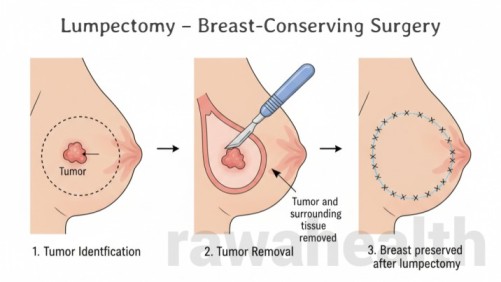
Lumpectomy, also called breast-conserving surgery or wide local excision, involves removing the tumor along with a small rim of surrounding healthy tissue. This margin helps reduce the risk of any remaining cancer cells. The main goal is to eliminate the disease while keeping the breast intact.
Doctors usually recommend this surgery for:
- Early-stage invasive breast cancer
- Ductal carcinoma in situ (DCIS)
- Certain benign tumors that require removal
Because lumpectomy preserves most of the breast tissue, the cosmetic result often looks more natural. Many women report higher emotional satisfaction with this approach compared to more extensive surgeries.
Who Is a Good Candidate for Lumpectomy?
Not everyone qualifies for lumpectomy. Doctors evaluate multiple factors before recommending it. Ideal candidates usually:
- Have a single, small tumor in one breast
- Can undergo radiation therapy after surgery
- Have no signs of cancer spreading to other areas
- Prefer to keep their breast rather than remove it entirely
Women with larger breasts may also be good candidates, since the lump can be removed without significantly changing breast shape. On the other hand, women with multiple tumors in different quadrants or very large tumors might need different surgical options.
How to Prepare for Lumpectomy
Proper preparation ensures smoother surgery and recovery. Before the procedure, doctors conduct imaging tests like mammograms, ultrasounds, or MRIs to locate the tumor accurately. Radiologists may place a small wire or marker to guide the surgeon during the operation.
Patients usually receive instructions to:
- Stop eating or drinking several hours before surgery
- Adjust certain medications
- Discuss allergies, medical history, or ongoing treatments
These steps reduce complications and help surgeons plan a more precise operation.
How Lumpectomy Is Performed
Surgeons typically perform lumpectomy under general anesthesia, so the patient remains asleep and feels no pain.
- Incision: The surgeon makes a small cut over or near the tumor.
- Tumor Removal: They remove the lump along with a rim of healthy tissue.
- Lymph Node Check: In many cases, the surgeon performs a sentinel lymph node biopsy to check whether cancer has spread.
- Closure: After ensuring complete removal, the surgeon closes the incision with stitches and applies a bandage.
The surgery usually takes one to two hours. In most cases, patients return home the same day after a short recovery period.
Recovery After Lumpectomy
Recovery usually happens quickly, but it varies by individual. Most patients can resume light activities within a few days. Doctors often recommend:
- Wearing a supportive bra to reduce discomfort
- Avoiding heavy lifting for at least one week
- Keeping the incision clean and dry
- Taking prescribed pain medication if needed
Mild pain, swelling, or bruising is common but improves with time. Regular follow-ups allow doctors to monitor healing and address any issues early. Radiation therapy usually starts a few weeks after surgery to destroy remaining cancer cells and reduce the risk of recurrence.
Benefits of Lumpectomy
Lumpectomy offers several key advantages:
- Breast Preservation: It removes the tumor while maintaining the breast’s natural shape.
- Shorter Recovery: Patients usually return to normal activities faster than after mastectomy.
- Less Invasive: The surgery involves minimal removal of healthy tissue.
- Comparable Survival Rates: When paired with radiation, lumpectomy provides survival outcomes similar to mastectomy for early-stage cancer.
- Better Emotional Well-Being: Many patients feel more confident about their body image after lumpectomy.
Risks and Complications
Although lumpectomy is safe, every surgery carries some risks. Potential complications include:
- Bleeding or infection at the incision site
- Changes in breast shape or contour
- Temporary pain, numbness, or swelling
- Rare recurrence of cancer in the same area
Regular medical follow-ups, proper wound care, and adherence to the treatment plan help reduce these risks significantly.
Lumpectomy vs. Mastectomy
Choosing between lumpectomy and mastectomy depends on tumor size, cancer stage, breast size, and personal preference.
- Lumpectomy works well for smaller, localized tumors and allows breast preservation. It usually requires follow-up radiation.
- Mastectomy may suit patients with larger tumors, multiple affected areas, or those who prefer to avoid radiation therapy.
Doctors discuss all options thoroughly to help patients make an informed decision that matches their medical needs and emotional priorities.
Cost of Lumpectomy in India
| City | Estimated Cost (USD) |
|---|---|
| Delhi | $2,000 – $4,000 |
| Mumbai | $2,200 – $4,500 |
| Chennai | $22,00 – $4,000 |
| Bangalore | $2,100 – $4,400 |
Conclusion
Lumpectomy is an effective, breast-conserving treatment for early-stage breast cancer. It removes the tumor while preserving natural breast appearance, leading to faster recovery and excellent treatment outcomes when combined with radiation therapy.
With skilled surgeons, modern facilities, and affordable care, India offers excellent options for patients seeking lumpectomy and related breast cancer treatments. Choosing the right approach with professional guidance can help patients achieve both medical success and emotional well-being.
Our Step-by-Step Process – How We Work
- Initial Consultation: Understand medical history, concerns, and goals for personalized guidance.
- Personalized Treatment Plan: Customized plan with recommended treatment, costs, and timeline.
- Travel & Preparation: Visa, airport transfers, accommodation, and language support.
- Scheduling & Procedure: Treatment at top hospitals with experienced doctors using advanced technology.
- Aftercare & Follow-Up: Nursing care, follow-ups, and continuous support for smooth recovery.
Why Patients Choose India for Medical Treatment
- Expert Doctors & Specialists: Highly skilled, internationally trained doctors handle advanced procedures and complex surgeries.
- State-of-the-Art Hospitals: Modern hospitals with latest technology and international accreditations ensure world-class treatment.
- Affordable Costs: Medical care in India is 30%–70% cheaper than in Western countries without compromising quality.
- Quick Access: Minimal waiting times allow patients to get treated promptly.
- End-to-End Support: Visa, airport transfers, accommodation, language translation, and post-treatment follow-up provided.
- High Success Rates: Proven track record in surgeries, transplants, and advanced treatments.
- Personalized Care: Individual attention ensures a smooth, safe, and comfortable medical journey.
Get Started with Rawa Health Services
- If you’re considering treatment in India, Rawa Health Services will guide you every step of the way:
- ✅ Free Pre-Surgery Consultation
✅ Doctor & Hospital Appointment
✅ Visa & Travel Assistance
✅ Airport Pickup & Accommodation
✅ Post-Treatment Support
✅ Multilingual Translators for Your Native Language - 📞 Call/WhatsApp: +91-9990978550
📧 Email: rawahealthservices@gmail.com