Lobectomy – Procedure, Types, Recovery, Risks & Cost
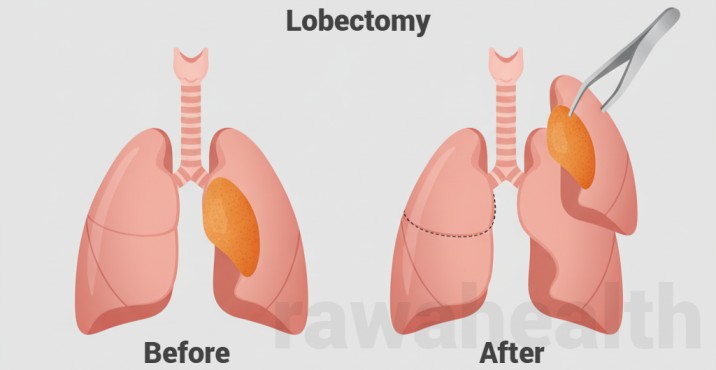
A lobectomy is a major surgical procedure where the surgeon removes one lobe of the lung to treat diseases that affect only a specific part of the lung. The human lungs have five lobes—three on the right and two on the left. When a disease such as lung cancer, severe infection, or injury affects a single lobe, the surgeon removes the damaged lobe to eliminate the diseased tissue while preserving the healthy parts of the lungs.
Surgeons consider lobectomy the standard treatment for early-stage lung cancer because it often provides the best chance for long-term survival. They also perform this surgery for benign (non-cancerous) conditions when medications fail or serious complications appear.
In this detailed guide, we explain everything about lobectomy—why surgeons perform it, how the procedure works, the risks involved, the recovery process, and the expected treatment outcomes.
What Is a Lobectomy?
A lobectomy is a surgical operation where the surgeon removes one lobe of the lung. The goal is to eliminate the diseased part while keeping the rest of the lung functioning normally. After the affected lobe is removed, the remaining lung expands to fill the space over time.
Lobectomy may be performed using:
- Open surgery (thoracotomy)
- VATS (Video-Assisted Thoracoscopic Surgery)
- Robotic-assisted surgery
Minimally invasive techniques like VATS and robotic surgery offer faster recovery, smaller incisions, and fewer complications.
Why Is Lobectomy Performed?
Lobectomy is recommended for several lung-related diseases:
1. Lung Cancer (Most Common Reason)
- It is the gold-standard treatment for early-stage non-small cell lung cancer (NSCLC). Removing the affected lobe prevents cancer from spreading and increases survival rates.
2. Tuberculosis & Chronic Infections
- Severe TB or chronic infections that form cavities or destroy lung tissue may require removal.
3. Benign Tumors
- Non-cancerous growths that affect breathing or compress lung structures.
4. Bronchiectasis
- A condition where lung airways become permanently damaged and infected.
5. Congenital Lung Diseases
- Conditions present from birth, such as congenital cystic adenomatoid malformation (CCAM).
6. Trauma
- Severe injury that damages one lobe beyond repair.
- Lobectomy is performed only when the disease is limited to one lung lobe and cannot be treated with medication or smaller surgeries.
Types of Lobectomy
The lungs have different lobes, and the affected area determines which lobectomy is performed:
Right Lung
- Upper lobe lobectomy
- Middle lobe lobectomy
- Lower lobe lobectomy
Left Lung
- Upper lobe lobectomy
- Lower lobe lobectomy
Each procedure is tailored to remove only the diseased part while preserving maximum lung function.
How Is Lobectomy Performed?
Lobectomy can be done using three surgical approaches depending on the patient’s condition and hospital technology.
1. Thoracotomy (Open Lobectomy)
- Surgeon makes a large incision along the side of the chest.
- Ribs are gently spread to access the lungs.
- Diseased lobe is carefully removed.
- Drains are placed to remove air and fluid.
Used for large tumors or complex cases.
2. VATS – Video-Assisted Thoracoscopic Surgery
- Minimally invasive technique
- 2–3 small incisions
- Camera and long instruments used
- No rib spreading
- Less pain, faster recovery
Most preferred technique worldwide for early-stage lung disease.
3. Robotic Lobectomy
- Uses robotic systems for extreme precision
- High-definition 3D view
- Maximum accuracy in difficult cases
Provides the fastest recovery and minimal blood loss.
Before the Surgery
Patients undergo detailed evaluation to make sure they can safely tolerate lung surgery.
Pre-operative Tests Include:
- Chest CT scan
- PET scan (for cancer cases)
- Pulmonary function tests
- Blood tests
- Bronchoscopy
- ECG and echocardiography
Lifestyle Preparation:
- Stop smoking at least 2–3 weeks before surgery
- Control sugar levels (for diabetics)
- Avoid blood-thinning medications
Patients meet the anesthesiologist and surgeon to understand the procedure and recovery plan.
During the Surgery – Step-by-Step
A lobectomy takes 2–4 hours depending on the surgical approach.
- The anesthesiologist gives the patient general anesthesia.
- The surgeon makes the incisions.
- The surgeon identifies and removes the diseased lobe.
- The surgeon may also remove lymph nodes for cancer staging.
- The surgeon places chest tubes to drain air and fluid.
- The surgeon closes the incisions.
After the procedure, the team shifts the patient to the recovery room or ICU.
Recovery After Lobectomy
Recovery varies depending on age, health, and surgical technique.
Timeline:
- 1–2 weeks – Light activity possible
- 3–4 weeks – Return to normal routine
- 6–8 weeks – Complete recovery for open surgery
- 2–3 weeks – Full recovery for VATS/robotic surgery
Post-Operative Care Tips:
- Continue breathing exercises
- Avoid smoking permanently
- Eat a high-protein diet
- Avoid heavy lifting for 4–6 weeks
- Walk daily to improve lung capacity
Benefits of Lobectomy
- Removal of diseased lung tissue
- Prevents spread of cancer
- Improves breathing
- Eliminates repeated infections
- Provides long-term survival for cancer patients
- Enhances quality of life
For early-stage lung cancer, lobectomy offers the highest cure rates.
Risks & Possible Complications
Although generally safe, lobectomy is a major surgery and may include:
- Bleeding
- Infection
- Air leak
- Pneumonia
- Deep vein thrombosis
- Breathing difficulty
- Irregular heartbeat
With modern minimally invasive techniques, complications have significantly reduced.
Success Rate of Lobectomy
- Early-stage lung cancer: 70–90% long-term survival
- Benign diseases: Excellent outcome
- Post-surgery lung function: Usually returns to near-normal levels within weeks
Success depends on disease stage, patient health, and surgical expertise.
Lobectomy Cost in India
Costs vary based on technique and hospital.
| Surgery Type | Cost (USD) |
|---|---|
| Open Lobectomy | $4,500 – $7,500 |
| VATS Lobectomy | $6,000 – $9,000 |
| Robotic Lobectomy | $7,500 – $12,000 |
Conclusion
A lobectomy is a life-saving and highly effective procedure for patients with lung cancer, severe infections, and other localized lung diseases. With advancements in VATS and robotic surgery, patients now experience less pain, faster recovery, and excellent long-term outcomes. When performed at a specialized center with expert thoracic surgeons, lobectomy offers the best chance for complete cure, better breathing, and a healthier future.
Our Step-by-Step Process – How We Work
- Initial Consultation: Understand medical history, concerns, and goals for personalized guidance.
- Personalized Treatment Plan: Customized plan with recommended treatment, costs, and timeline.
- Travel & Preparation: Visa, airport transfers, accommodation, and language support.
- Scheduling & Procedure: Treatment at top hospitals with experienced doctors using advanced technology.
- Aftercare & Follow-Up: Nursing care, follow-ups, and continuous support for smooth recovery.
Why Patients Choose India for Medical Treatment
- Expert Doctors & Specialists: Highly skilled, internationally trained doctors handle advanced procedures and complex surgeries.
- State-of-the-Art Hospitals: Modern hospitals with latest technology and international accreditations ensure world-class treatment.
- Affordable Costs: Medical care in India is 60%–70% cheaper than in Western countries without compromising quality.
- Quick Access: Minimal waiting times allow patients to get treated promptly.
- End-to-End Support: Visa, airport transfers, accommodation, language translation, and post-treatment follow-up provided.
- High Success Rates: Proven track record in surgeries, transplants, and advanced treatments.
- Personalized Care: Individual attention ensures a smooth, safe, and comfortable medical journey.
Get Started with Rawa Health Services
- If you’re considering treatment in India, Rawa Health Services will guide you every step of the way:
- ✅ Free Pre-Surgery Consultation
✅ Doctor & Hospital Appointment
✅ Visa & Travel Assistance
✅ Airport Pickup & Accommodation
✅ Post-Treatment Support
✅ Multilingual Translators for Your Native Language - 📞 Call/WhatsApp: +91-9990978550
📧 Email: rawahealthservices@gmail.com