
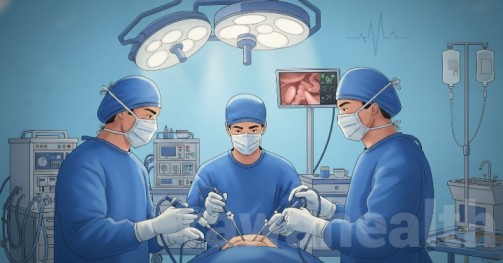
Laparoscopy: Procedure, Recovery, Benefits, and Cost
Laparoscopy is a minimally invasive surgical technique that allows doctors to diagnose and treat conditions inside the abdomen and pelvis through small incisions. Unlike traditional open surgery, this approach uses a thin camera (laparoscope) to provide a clear internal view.
As a result, patients experience less pain, minimal scarring, and faster recovery. Therefore, surgeons widely prefer laparoscopy for many modern surgical procedures.
What Is Laparoscopy?
Laparoscopy is a surgical method in which the surgeon inserts a laparoscope—a thin tube with a camera—through a small incision in the abdomen.
The camera sends real-time images to a monitor, allowing the surgeon to perform procedures with high precision. Additionally, the surgeon uses specialized instruments through other small incisions.
Therefore, this technique reduces tissue damage and improves surgical outcomes.
Why Laparoscopy Is Performed
Doctors recommend laparoscopy for both diagnostic and treatment purposes.
Common uses include:
- Diagnosis of abdominal or pelvic pain
- Treatment of gallbladder stones
- Hernia repair
- Appendix removal
- Gynecological conditions (e.g., ovarian cysts, endometriosis)
- Treatment of ectopic pregnancy
Consequently, laparoscopy helps manage multiple conditions with minimal surgical trauma.
Who Is a Good Candidate for Laparoscopy?
Surgeons evaluate patients carefully before recommending laparoscopy.
Ideal candidates include:
- Patients requiring abdominal or pelvic surgery
- Individuals in good overall health
- Patients without severe heart or lung disease
- People seeking faster recovery and minimal scarring
However, some complex conditions may still require open surgery.
Types of Laparoscopic Procedures
Laparoscopy includes a wide range of surgical procedures.
1. Diagnostic Laparoscopy
Doctors use this procedure to examine internal organs and identify the cause of symptoms.
2. Operative Laparoscopy
Surgeons perform treatment procedures such as organ removal or repair using laparoscopic tools.
3. Advanced Laparoscopy
This includes complex surgeries like bariatric surgery or cancer procedures performed using advanced techniques.
Pre-Surgery Evaluation and Planning
Before laparoscopy, doctors conduct a detailed assessment.
This includes:
- Physical examination
- Blood tests
- Imaging studies (ultrasound, CT scan)
- Review of medical history
- Discussion of surgical plan
Additionally, patients receive instructions regarding fasting and medication adjustments.
Laparoscopy Procedure: Step-by-Step
Laparoscopy usually takes 30 minutes to 2 hours, depending on the type of surgery.
1: Anesthesia
The doctor administers general anesthesia to ensure comfort.
2: Small Incision
The surgeon makes a small incision near the navel.
3: Gas Inflation
The surgeon inflates the abdomen with carbon dioxide gas to create working space.
4: Camera Insertion
The surgeon inserts the laparoscope to view internal organs.
5: Surgical Procedure
The surgeon uses specialized instruments to perform the required operation.
6: Closure
The surgeon removes the instruments and closes the incisions with stitches.
As a result, the procedure causes minimal tissue damage and ensures faster healing.
Hospital Stay and Immediate Recovery
Most laparoscopic procedures require a short hospital stay.
After surgery:
- Patients wake up within a few hours
- Mild pain or discomfort may occur
- Walking usually starts the same day
Doctors also provide medications and recovery guidelines.
Recovery Timeline After Laparoscopy
First 24–48 Hours
- Mild pain and fatigue
- Light movement encouraged
- Resume liquid or soft diet
1 Week
- Return to normal daily activities
- Reduced discomfort
2–3 Weeks
- Complete recovery in most cases
- Resume exercise with medical advice
Overall, recovery is significantly faster than open surgery.
Benefits of Laparoscopy
Laparoscopy offers several key advantages:
- Minimally invasive technique
- Smaller incisions and minimal scars
- Less pain after surgery
- Short hospital stay
- Faster recovery
- Lower risk of complications
Therefore, it has become the preferred choice for many surgical procedures.
Risks and Complications
Although laparoscopy is generally safe, some risks may occur:
- Infection
- Bleeding
- Injury to internal organs
- Reaction to anesthesia
- Gas-related discomfort
However, experienced surgeons minimize these risks effectively.
Life After Laparoscopy
After recovery, patients return to normal life quickly.
Patients can:
- Resume daily activities within days
- Maintain normal diet after healing
- Experience minimal long-term discomfort
Importantly, following medical advice ensures smooth recovery and long-term success.
Cost of Laparoscopy in India
| Procedure Type | Cost (USD) |
|---|---|
| Diagnostic Laparoscopy | $800 – $1,500 |
| Laparoscopic Gallbladder Surgery | $1,500 – $3,500 |
| Laparoscopic Hernia Repair | $1,200 – $3,000 |
| Laparoscopic Gynecological Surgery | $1,500 – $4,000 |
Costs vary based on procedure type, hospital facilities, and surgeon expertise.
Long-Term Results and Outlook
Laparoscopy provides excellent long-term outcomes with high patient satisfaction. Most patients recover quickly and experience minimal complications.
Moreover, advanced laparoscopic techniques continue to improve safety and effectiveness.
Conclusion
Laparoscopy is a safe, minimally invasive, and highly effective surgical technique for diagnosing and treating various abdominal and pelvic conditions. By reducing pain, minimizing scars, and speeding up recovery, it offers significant advantages over traditional surgery. With expert care and proper follow-up, patients achieve excellent outcomes and return to normal life quickly.
Our Step-by-Step Process – How We Work
- Initial Consultation: Understand medical history, concerns, and goals for personalized guidance.
- Personalized Treatment Plan: Customized plan with recommended treatment, costs, and timeline.
- Travel & Preparation: Visa, airport transfers, accommodation, and language support.
- Scheduling & Procedure: Treatment at top hospitals with experienced doctors using advanced technology.
- Aftercare & Follow-Up: Nursing care, follow-ups, and continuous support for smooth recovery.
Why Patients Choose India for Medical Treatment
- Expert Doctors & Specialists: Highly skilled, internationally trained doctors handle advanced procedures and complex surgeries.
- State-of-the-Art Hospitals: Modern hospitals with latest technology and international accreditations ensure world-class treatment.
- Affordable Costs: Medical care in India is 60%–70% cheaper than in Western countries without compromising quality.
- Quick Access: Minimal waiting times allow patients to get treated promptly.
- End-to-End Support: Visa, airport transfers, accommodation, language translation, and post-treatment follow-up provided.
- High Success Rates: Proven track record in surgeries, transplants, and advanced treatments.
- Personalized Care: Individual attention ensures a smooth, safe, and comfortable medical journey.
Get Started with Rawa Health Services
- If you’re considering treatment in India, Rawa Health Services will guide you every step of the way:
- ✅ Free Pre-Surgery Consultation
✅ Doctor & Hospital Appointment
✅ Visa & Travel Assistance
✅ Airport Pickup & Accommodation
✅ Post-Treatment Support
✅ Multilingual Translators for Your Native Language - 📞 Call/WhatsApp: +91-9266686869
📧 Email: rawahealthservices@gmail.com