Knee Surgery – Overview
Knee surgery is a specialized procedure designed to relieve pain, restore function, and improve mobility for patients suffering from chronic knee conditions, injuries, or arthritis. The knee is a complex joint that bears weight and allows movement, so even minor damage can affect daily life. Modern surgical techniques—including minimally invasive procedures, partial, and total knee replacement—provide effective solutions for long-term relief.
Whether you are exploring options for yourself or a loved one, this guide explains knee surgery types, eligibility criteria, the surgical process, recovery, benefits, risks, costs in India, and tips for a successful outcome.
What is Knee Surgery?
Knee surgery aims to repair, replace, or restore the knee joint. Surgeons perform procedures on damaged cartilage, ligaments, or bone. Surgery may involve partial or total replacement of the joint. The main goals include:
- Relieving chronic pain from arthritis, injury, or degeneration.
- Restoring mobility and joint function.
- Correcting deformities or instability.
- Preventing further knee damage.
Advanced surgical techniques, including robotic-assisted procedures, have improved outcomes, reduced complications, and accelerated recovery times.
Types of Knee Surgery
Knee surgery varies depending on the condition and severity of damage. Common procedures include:
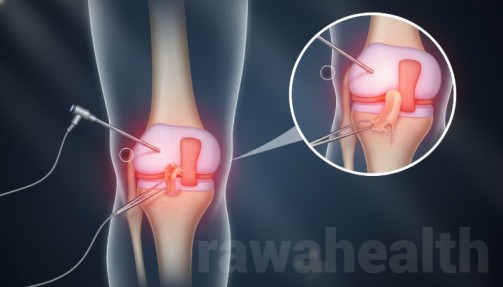
1. Arthroscopic Knee Surgery
- Minimally invasive procedure using small incisions and a camera (arthroscope).
- Used for meniscus repair, ligament reconstruction (ACL/PCL), removal of loose cartilage, or inflamed tissue.
- Benefits: Smaller scars, less pain, faster recovery.
2. Partial Knee Replacement
- Replaces only the damaged compartment of the knee while preserving healthy tissue.
- Suitable for patients with osteoarthritis limited to one compartment.
- Benefits: Retains natural knee function and allows faster recovery than total replacement.
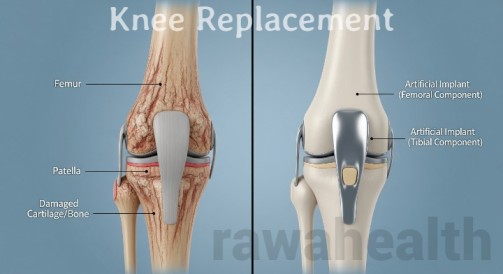
3. Total Knee Replacement (TKR)
- Replaces the entire knee joint with prosthetic components.
- Used for severe arthritis, extensive joint damage, or deformities.
- Benefits: Long-term pain relief, restored mobility, and improved quality of life.
4. Revision Knee Surgery
- Corrects or replaces a previous knee replacement that failed or caused complications.
- Used for infection, implant loosening, wear and tear, or persistent pain.
- More complex than primary replacement.
5. Ligament Reconstruction
- Rebuilds torn or damaged ligaments, often using grafts.
- Common: ACL or PCL reconstruction.
- Benefits: Restores stability and allows patients to return to active lifestyles.
6. Osteotomy
- Cuts and reshapes bones around the knee to relieve pressure.
- Suitable for younger patients with arthritis in one compartment.
- Benefits: Delays the need for total knee replacement.
7. Cartilage Restoration or Transplant
- Repairs damaged cartilage using microfracture, autologous chondrocyte implantation, or osteochondral grafting.
- Benefits: Preserves natural joint function and delays arthritis progression.
Who is a Candidate for Knee Surgery?
Not every patient with knee pain requires surgery. Candidates usually have:
- Chronic pain that affects daily life.
- Severe arthritis or joint degeneration.
- Ligament or meniscus injuries that do not respond to non-surgical treatments.
- Knee deformities or instability.
- Progressive loss of mobility.
Eligibility is determined through a comprehensive evaluation by an orthopedic surgeon, including physical examination, X-rays, MRI, or CT scans.
How is Knee Surgery Performed?
Knee surgery procedures vary depending on the type—arthroscopic, partial, or total knee replacement. Most surgeries follow a structured process:
1. Preoperative Preparation
- Medical Assessment: Blood tests, ECG, imaging.
- Medication Review: Stop blood thinners or certain supplements.
- Lifestyle Prep: Quit smoking, maintain a healthy diet, and prepare home for recovery.
- Anesthesia Planning: Decide between general or regional anesthesia.
2. Anesthesia
- General: Patient sleeps completely.
- Regional/Spinal: Numbs the lower body; patient remains sedated.
3. Surgical Procedure
- Arthroscopy: Small incisions, insert camera and instruments, repair tissue, close incisions.
- Partial Knee Replacement: Remove damaged bone/cartilage, place prosthetic, preserve ligaments.
- Total Knee Replacement: Expose entire joint, remove damaged tissue, fit prosthetic components, test alignment, and stability.
4. Closure and Dressing
- Stitch muscles and tissues, apply sterile dressings and compression bandages.
- Drains may be placed temporarily.
5. Immediate Postoperative Care
- Monitor vital signs and anesthesia effects.
- Pain management with medications or nerve blocks.
- Early movement to prevent stiffness and blood clots.
6. Physical Therapy
- Begins within days; sometimes same-day.
- Focus on regaining mobility, strengthening muscles, and improving walking.
Recovery After Knee Surgery
Recovery times vary:
- Arthroscopy: 1–4 weeks
- Partial Knee Replacement: 4–6 weeks
- Total Knee Replacement: 6–12 weeks
- Revision Surgery: Longer, depending on complexity
Postoperative care includes physical therapy, gradual return to weight-bearing activities, pain management, and use of mobility aids.
Benefits of Knee Surgery
Patients often experience:
- Significant pain relief.
- Improved mobility and flexibility.
- Correction of deformities or instability.
- Long-lasting improvement in joint function.
- High success rates with modern surgical techniques.
Risks and Considerations
Potential complications include:
- Infection at the surgical site.
- Blood clots (deep vein thrombosis).
- Implant loosening or failure.
- Nerve or blood vessel injury.
- Persistent pain or stiffness.
- Complications from anesthesia.
Experienced orthopedic surgeons minimize risks and improve outcomes.
Cost of Knee Surgery in India
Knee surgery effectively relieves chronic pain, restores mobility, and enhances quality of life. Modern procedures—from minimally invasive arthroscopy to total knee replacement—offer safe, long-lasting solutions. India provides expert orthopedic care, advanced facilities, and affordable pricing, making it an excellent destination for patients seeking high-quality knee surgery.
| Type of Knee Surgery | Average Cost (USD) |
|---|---|
| Arthroscopic Knee Surgery | $1,500 – $3,000 |
| Partial Knee Replacement | $3,500 – $5,000 |
| Total Knee Replacement (Single Knee) | $4,000 – $5,000 |
| Total Knee Replacement (Both Knees) | $6,000 – $7,000 |
| Revision Knee Surgery | $6,000 – $10,000 |
Conclusion
Knee surgery is a highly effective solution for chronic knee pain, arthritis, or injuries. From minimally invasive arthroscopy to total knee replacement, modern procedures restore mobility, relieve pain, and improve the quality of life. India offers expert orthopedic surgeons, advanced facilities, and affordable care, making it an excellent choice for patients seeking world-class treatment.
Our Step-by-Step Process – How We Work
- Initial Consultation: Understand medical history, concerns, and goals for personalized guidance.
- Personalized Treatment Plan: Customized plan with recommended treatment, costs, and timeline.
- Travel & Preparation: Visa, airport transfers, accommodation, and language support.
- Scheduling & Procedure: Treatment at top hospitals with experienced doctors using advanced technology.
- Aftercare & Follow-Up: Nursing care, follow-ups, and continuous support for smooth recovery.
Why Patients Choose India for Medical Treatment
- Expert Doctors & Specialists: Highly skilled, internationally trained doctors handle advanced procedures and complex surgeries.
- State-of-the-Art Hospitals: Modern hospitals with latest technology and international accreditations ensure world-class treatment.
- Affordable Costs: Medical care in India is 30%–70% cheaper than in Western countries without compromising quality.
- Quick Access: Minimal waiting times allow patients to get treated promptly.
- End-to-End Support: Visa, airport transfers, accommodation, language translation, and post-treatment follow-up provided.
- High Success Rates: Proven track record in surgeries, transplants, and advanced treatments.
- Personalized Care: Individual attention ensures a smooth, safe, and comfortable medical journey.
Get Started with Rawa Health Services
- If you’re considering treatment in India, Rawa Health Services will guide you every step of the way:
- ✅ Free Pre-Surgery Consultation
✅ Doctor & Hospital Appointment
✅ Visa & Travel Assistance
✅ Airport Pickup & Accommodation
✅ Post-Treatment Support
✅ Multilingual Translators for Your Native Language - 📞 Call/WhatsApp: +91-9990978550
📧 Email: rawahealthservices@gmail.com