Knee Replacement Surgery in India: A Complete Guide
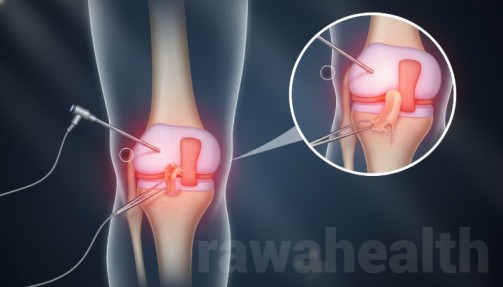
Knee replacement surgery, medically known as knee arthroplasty, is a highly effective procedure designed to relieve persistent knee pain and restore joint function. In India, the procedure has become increasingly common due to advancements in medical technology and the availability of highly skilled orthopedic surgeons.
Knee replacement is primarily recommended for patients suffering from conditions such as severe osteoarthritis, rheumatoid arthritis, post-traumatic arthritis, or injuries that lead to cartilage damage or deformity of the knee joint. The main goal of this surgery is to reduce pain, improve mobility, and enhance overall quality of life.
In this comprehensive guide, we will discuss the types of knee replacement surgeries, preparation, the surgical process, recovery, potential risks, benefits, cost in India compared to other countries, post-operative care, and long-term outcomes.
Why Knee Replacement is Needed
Knee replacement surgery is usually considered when non-surgical treatments fail to relieve pain or restore mobility. Some of the most common reasons include:
- Persistent Knee Pain: Pain that interferes with daily activities such as walking, climbing stairs, or standing from a seated position.
- Limited Mobility and Stiffness: Difficulty in bending, straightening, or rotating the knee.
- Severe Joint Damage: Damage due to arthritis, injury, or degeneration of cartilage and bone.
- Deformities and Misalignment: Uneven knee posture or abnormal gait caused by structural irregularities.
When conservative treatments such as medications, physiotherapy, injections, or lifestyle changes do not yield results, knee replacement may be the most effective solution. Surgery often helps restore proper alignment, reduces discomfort, and enables patients to regain independence in daily life.
Types of Knee Replacement Surgery
Total Knee Replacement (TKR)
Total knee replacement involves replacing all three compartments of the knee joint:
- Medial compartment: Inner side of the knee.
- Lateral compartment: Outer side of the knee.
- Patellofemoral compartment: The area beneath the kneecap.
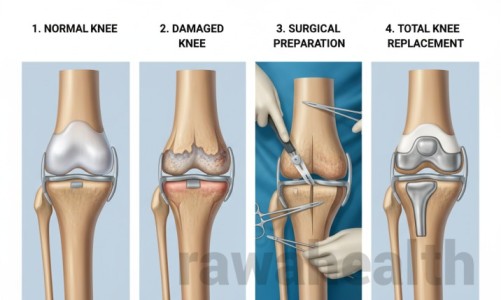
During TKR, surgeons remove the damaged bone and cartilage and replace them with prosthetic components made of high-quality metal and plastic. They design the prosthetic joint to replicate natural knee movement while providing stability and reducing pain. Surgeons generally recommend total knee replacement for patients with advanced arthritis or widespread knee damage.
Partial Knee Replacement (PKR)
Partial knee replacement is performed when only one or two compartments of the knee are affected. Unlike TKR, PKR preserves healthy parts of the knee and replaces only the damaged areas.
Benefits of Partial Knee Replacement:
- Less invasive surgery
- Shorter recovery period
- Preservation of natural knee movement
- Reduced hospital stay
Partial replacement is usually recommended for younger patients or those with limited joint damage due to injury or early-stage arthritis.
Conditions Treated with Knee Replacement
Knee replacement surgery is typically performed for patients with:
- Osteoarthritis: Degeneration of cartilage over time.
- Rheumatoid Arthritis: Autoimmune condition causing inflammation and joint damage.
- Post-Traumatic Arthritis: Arthritis following fractures or injuries.
- Severe Pain and Stiffness: Pain that does not improve with medications or physiotherapy.
- Deformities or Instability: Rare cases requiring structural correction.
The surgery aims to alleviate pain, restore mobility, and improve functional quality of life.
Preparing for Knee Replacement Surgery
Proper preparation is key to ensuring a smooth surgical experience and faster recovery.
Medical Preparation
Before surgery, patients typically undergo:
- Comprehensive physical examination
- Blood tests to assess hemoglobin, kidney, and liver function
- Electrocardiogram (ECG) to check heart health
- Dental check-up to reduce infection risk
- Imaging tests such as X-rays, MRI, or CT scans to evaluate joint condition
- Medication review: Some medicines, including blood thinners or anti-inflammatory drugs, may need to be
stopped before surgery
Home Preparation
Recovery at home requires careful planning:
- Mobility Aids: Crutches, walkers, or canes ready before surgery
- Single-Floor Living: Avoid stairs initially
- Safety Adjustments: Install grab bars in bathrooms, secure handrails, remove loose rugs
- Supportive Seating: Firm chairs with back support, footstools for leg elevation
- Bathroom Adjustments: Shower benches, commode chairs, raised toilet seats
- Assistance: Arrange for help with bathing, cooking, and household chores
The Surgical Procedure
Anesthesia
Knee replacement surgery may be performed under:
- General Anesthesia: Patient is asleep throughout the procedure
- Regional Anesthesia: Numbed from the waist down
- Local Anesthetic Injections: To reduce postoperative pain
Surgical Steps
- Incision: A cut is made over the front of the knee.
- Removal of Damaged Tissue: Diseased cartilage and bone are removed.
- Implant Placement: Prosthetic components are fitted into the femur, tibia, and kneecap.
- Spacer Insertion: Plastic spacer mimics smooth cartilage for natural movement.
- Closure: Incisions are closed with stitches or surgical glue, and a supportive bandage or knee strap is applied.
Duration: Typically 1–2 hours, depending on total or partial replacement.
Recovery After Knee Replacement
Immediate Postoperative Care
- Patients are monitored in a recovery room for several hours
- Hospital stay: Usually 1–3 days
- Focus on pain management, early movement, and preventing complications
Blood Clot Prevention
- Early Mobilization: Assisted walking soon after surgery
- Compression Devices: Elastic stockings or inflatable air sleeves
- Blood Thinners: Medications to prevent clots for several weeks
Physical Therapy
- Restores mobility and strengthens muscles
- Conducted in hospital or rehabilitation centers, continuing at home
Pain Management
- Combination of prescription medications, over-the-counter NSAIDs, ice therapy, and leg elevation
Home Care Tips
- Elevate the knee to reduce swelling
- Maintain incision hygiene
- Gradually increase physical activity
- Perform recommended home exercis
Risks and Complications
Though knee replacement surgery is generally safe, potential risks include:
- Blood clots in legs or lungs
- Infection at the incision site or deeper tissues
- Nerve or blood vessel damage
- Implant loosening or wear over time
- Scar tissue formation restricting motion
- Persistent pain or swelling
Patients with diabetes, autoimmune disorders, or other health conditions may have higher risk levels.
Benefits of Knee Replacement
- Significant pain relief
- Improved mobility and flexibility
- Enhanced quality of life
- Long-lasting results (15–20 years for most implants)
Diet and Nutrition for Faster Recovery
- Protein-rich foods: Eggs, fish, chicken, legumes, and dairy
- Calcium & Vitamin D: Strengthen bones and support implants
- Anti-inflammatory foods: Fruits, vegetables, nuts, seeds
- Hydration: Adequate water intake
- Avoid processed foods, excess sugar, and alcohol
Physical Therapy and Exercises
Early Stage (0–2 Weeks)
- Ankle pumps, toe stretches
- Quadriceps and hamstring contractions
- Assisted walking with crutches or walker
Intermediate Stage (2–6 Weeks)
- Knee bending and straightening
- Leg raises, seated marches
- Gradual increase in walking distance
Advanced Stage (6 Weeks–3 Months)
- Step-ups, mini-squats
- Stationary cycling
- Balance and strengthening exercises
Long-Term Maintenance
- Low-impact aerobic activities
- Leg strength training
- Regular stretching to maintain flexibility
Knee Replacement Surgery Cost Comparison: India vs Other Countries
| Country / Location | Total Knee Replacement (USD) | Partial Knee Replacement (USD) |
|---|---|---|
| India | $4,000 – $7,000 | $3,000 – $6,000 |
| United States | $35,000 – $50,000 | $25,000 – $35,000 |
| United Kingdom | $15,000 – $25,000 | $12,000 – $20,000 |
| Australia | $20,000 – $30,000 | $15,000 – $25,000 |
| Germany | $18,000 – $30,000 | $13,000 – $22,000 |
| Canada | $15,000 – $28,000 | $12,000 – $20,000 |
Conclusion
Knee replacement surgery in India offers a safe, effective, and affordable solution for individuals suffering from severe knee pain or mobility issues. With proper preparation, skilled surgical care, and diligent post-operative rehabilitation, patients can regain mobility, reduce pain, and improve their overall quality
Our Step-by-Step Process – How We Work
- Initial Consultation: Understand medical history, concerns, and goals for personalized guidance.
- Personalized Treatment Plan: Customized plan with recommended treatment, costs, and timeline.
- Travel & Preparation: Visa, airport transfers, accommodation, and language support.
- Scheduling & Procedure: Treatment at top hospitals with experienced doctors using advanced technology.
- Aftercare & Follow-Up: Nursing care, follow-ups, and continuous support for smooth recovery.
Why Patients Choose India for Medical Treatment
- Expert Doctors & Specialists: Highly skilled, internationally trained doctors handle advanced procedures and complex surgeries.
- State-of-the-Art Hospitals: Modern hospitals with latest technology and international accreditations ensure world-class treatment.
- Affordable Costs: Medical care in India is 30%–70% cheaper than in Western countries without compromising quality.
- Quick Access: Minimal waiting times allow patients to get treated promptly.
- End-to-End Support: Visa, airport transfers, accommodation, language translation, and post-treatment follow-up provided.
- High Success Rates: Proven track record in surgeries, transplants, and advanced treatments.
- Personalized Care: Individual attention ensures a smooth, safe, and comfortable medical journey.
Get Started with Rawa Health Services
- If you’re considering treatment in India, Rawa Health Services will guide you every step of the way:
- ✅ Free Pre-Surgery Consultation
✅ Doctor & Hospital Appointment
✅ Visa & Travel Assistance
✅ Airport Pickup & Accommodation
✅ Post-Treatment Support
✅ Multilingual Translators for Your Native Language - 📞 Call/WhatsApp: +91-9990978550
📧 Email: rawahealthservices@gmail.com