Gastric Sleeve Surgery – Transform Your Body, Transform Your Life
Sleeve Gastrectomy – The Complete Guide
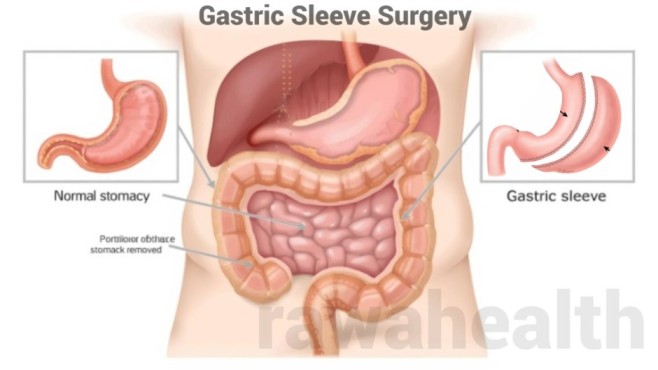
Gastric sleeve surgery, also called sleeve gastrectomy or vertical sleeve gastrectomy, helps individuals with severe obesity lose weight and improve overall health. In this procedure, surgeons remove approximately 80% of the stomach, leaving a narrow, tube-shaped stomach roughly the size and shape of a banana. By reducing the stomach’s capacity, the surgery limits the amount of food you can consume in one sitting and triggers hormonal changes that control appetite and enhance weight loss. These hormonal changes can also improve or resolve obesity-related conditions such as type 2 diabetes, high blood pressure, heart disease, and obstructive sleep apnea.
Surgeons typically perform gastric sleeve surgery laparoscopically. They make several small incisions in the upper abdomen and use specialized instruments and a camera to complete the procedure. This minimally invasive approach allows quicker recovery and reduces complications compared to traditional open surgery. In some cases, surgeons may recommend open surgery depending on a patient’s medical condition, prior abdominal surgeries, or specific requirements.
Why Surgeons Perform Gastric Sleeve Surgery
Doctors recommend gastric sleeve surgery to help patients lose excess weight and reduce the risk of serious, life-threatening health problems associated with obesity. Obesity increases the likelihood of multiple medical conditions, including:
- Heart disease – Extra body weight raises the risk of heart attack, heart failure, and other cardiovascular problems.
- High blood pressure (hypertension) – Obesity elevates blood pressure, increasing strain on the heart and blood vessels.
- High cholesterol – Excess fat often increases LDL (bad cholesterol) and triglycerides while reducing HDL (good cholesterol).
- Obstructive sleep apnea – Extra weight can block the airways during sleep, causing interruptions in breathing.
- Type 2 diabetes – Obesity contributes to insulin resistance and diabetes.
- Stroke – High blood pressure, elevated cholesterol, and heart disease increase stroke risk.
- Certain cancers – Obesity links to higher risks of breast, colon, and kidney cancers.
- Infertility – Hormonal imbalances caused by obesity can affect fertility in men and women.
Doctors usually consider surgery only after patients attempt diet, exercise, and lifestyle changes but fail to achieve significant, lasting weight loss. The procedure not only reduces stomach size but also improves hormone regulation, which decreases appetite, controls cravings, and supports long-term weight maintenance.
Who Qualifies for Gastric Sleeve Surgery?
Surgeons determine eligibility based on body mass index (BMI), existing health conditions, and commitment to long-term lifestyle changes.
General Eligibility Criteria:
- BMI ≥ 40 – Candidates with extreme obesity.
- BMI 35–39.9 – Candidates may qualify if they have at least one serious obesity-related condition (e.g., diabetes, high blood pressure, severe sleep apnea).
- BMI 30–34 – In select cases, candidates with serious weight-related health issues may qualify.
Additional Requirements:
- Commitment to lifelong healthy habits including diet, exercise, and regular medical follow-ups.
- Participation in pre-surgery consultations with dietitians, psychologists, and medical specialists to assess readiness.
Gastric sleeve surgery is a tool to support weight loss, not a quick fix. Patients must embrace permanent healthy lifestyle changes for long-term success.
Preparing for Surgery
Proper preparation ensures safety and improves outcomes. Patients should follow these steps:
Medical Assessment and Screening:
- Comprehensive physical examination.
- Blood tests, ECG, and other diagnostic tests.
- Review of current medications.
- Screening for heart, lung, and metabolic conditions.
Pre-Surgery Diet:
- Follow a medically supervised liquid diet for 2–3 weeks.
- This diet reduces liver size and abdominal fat, making surgery safer.
- Typical foods include clear liquids, protein shakes, and low-calorie broths.
Lifestyle Adjustments:
- Stop tobacco and avoid alcohol.
- Start or maintain regular exercise.
- Arrange post-surgery support at home.
Day Before Surgery:
- Fast for at least 12 hours before the procedure.
- Adjust or temporarily stop medications under surgeon guidance.
How Surgeons Perform Gastric Sleeve Surgery
Laparoscopic Sleeve Gastrectomy (Preferred Method)
Surgeons prefer laparoscopic surgery for smaller incisions, faster recovery, and fewer complications. Steps include:
- Administer general anesthesia so patients remain asleep and pain-free.
- Make several small abdominal incisions (0.5–1 cm).
- Inflate the abdomen with CO₂ gas to create space for instruments.
- Insert a laparoscope to visualize the stomach and surrounding organs.
- Staple and divide the stomach to form a narrow, tubular sleeve.
- Remove the larger, curved portion of the stomach.
- Close all small incisions with sutures or surgical glue.
Surgery typically takes 60–120 minutes. Patients usually stay 1–2 nights in the hospital for observation and pain management.
Open Surgery (Less Common)
Surgeons perform open surgery only in select cases, such as previous abdominal surgeries or complex medical conditions. It involves a larger incision but follows the same principle of creating a narrow stomach sleeve.
Recovery After Surgery
Recovery occurs in phases:
First Week:
- Consume only sugar-free, non-carbonated liquids.
- Manage pain and monitor vital signs.
- Gradually move around to reduce blood clot risk.
Weeks 2–4:
- Transition to pureed and soft foods.
- Maintain hydration and consume protein shakes.
- Continue frequent follow-ups with healthcare providers.
After 4 Weeks:
- Gradually reintroduce solid foods.
- Focus on nutrient-dense meals to prevent malnutrition.
Lifelong Supplementation:
- Multivitamins twice daily.
- Calcium once daily.
- Vitamin B-12 injection monthly.
Common Post-Surgery Symptoms:
- Fatigue, body aches, feeling cold, dry skin, hair thinning, and mood changes.
- Most symptoms resolve as the body adapts to rapid weight loss.
Benefits of Gastric Sleeve Surgery
- Significant weight loss: 25–30% of total body weight in 1–2 years; some may lose up to 60% of excess weight.
- Improved health conditions: Reduces or resolves heart disease, hypertension, diabetes, high cholesterol, sleep apnea, infertility, and some cancers.
- Better quality of life: Increased energy, mobility, and ability to perform daily activities.
- Hormonal regulation: Reduces appetite and improves blood sugar control.
- Lower surgical risk: Simpler, faster, and safer than complex bariatric procedures; intestines remain intact, minimizing nutritional complications.
Risks and Complications
Short-Term Risks:
- Excessive bleeding, infection, anesthesia reactions, blood clots, lung or breathing problems, leaks from stapled stomach portion.
Long-Term Risks:
- Gastrointestinal blockage, hernias, acid reflux, low blood sugar (hypoglycemia), nutritional deficiencies, vomiting, rare serious complications.
Following dietary guidelines, supplements, exercise, and medical follow-ups reduces complication risks.
Weight Loss Expectations and Outcomes
- Short-term: Rapid weight loss within 6–12 months.
- 1–2 years: Average loss of 25–30% of total body weight.
- Long-term: Depends on lifestyle adherence; some may regain weight if old habits return.
Revision surgery may be considered for insufficient weight loss or complications, either repairing the sleeve or converting to another procedure such as gastric bypass or duodenal switch.
Lifestyle After Surgery
Diet Recommendations:
- Eat small, frequent meals to prevent stretching the new stomach.
- Focus on high-protein, low-sugar, nutrient-dense foods.
- Stay hydrated but avoid drinking large amounts during meals.
- Avoid high-calorie, processed foods, sugary drinks, and alcohol.
Exercise and Activity:
- Start light physical activity soon after surgery as recommended.
- Gradually increase intensity over time.
- Exercise supports weight loss, improves cardiovascular health, and prevents muscle loss.
Psychological and Behavioral Support:
- Counseling or support groups help adjust to lifestyle changes.
- Tracking food, exercise, and emotional triggers enhances long-term success.
Gastric Sleeve Surgery Cost in India
| City | Cost Range (USD) |
|---|---|
| Delhi | $3,000 – $5,000 |
| Mumbai | $3,800 – $7,500 |
| Chennai | $3,200 – $6,500 |
| Bangalore | $3,400 – $6,700 |
| Hyderabad | $3,000 – $6,000 |
| Jaipur | $3,500 – $6,000 |
Cost Comparison: India vs. Other Countries
| Country | Cost Range (USD) |
|---|---|
| India | $3,500 – $6,000 |
| United States | $17,000 – $26,000 |
| United Kingdom | $10,900 – $20,500 |
Our Step-by-Step Process – How We Work
- Initial Consultation: Understand medical history, concerns, and goals for personalized guidance.
- Personalized Treatment Plan: Customized plan with recommended treatment, costs, and timeline.
- Travel & Preparation: Visa, airport transfers, accommodation, and language support.
- Scheduling & Procedure: Treatment at top hospitals with experienced doctors using advanced technology.
- Aftercare & Follow-Up: Nursing care, follow-ups, and continuous support for smooth recovery.
Why Patients Choose India for Medical Treatment
- Expert Doctors & Specialists: Highly skilled, internationally trained doctors handle advanced procedures and complex surgeries.
- State-of-the-Art Hospitals: Modern hospitals with latest technology and international accreditations ensure world-class treatment.
- Affordable Costs: Medical care in India is 30%–70% cheaper than in Western countries without compromising quality.
- Quick Access: Minimal waiting times allow patients to get treated promptly.
- End-to-End Support: Visa, airport transfers, accommodation, language translation, and post-treatment follow-up provided.
- High Success Rates: Proven track record in surgeries, transplants, and advanced treatments.
- Personalized Care: Individual attention ensures a smooth, safe, and comfortable medical journey.
Get Started with Rawa Health Services
- If you’re considering treatment in India, Rawa Health Services will guide you every step of the way:
- ✅ Free Pre-Surgery Consultation
✅ Doctor & Hospital Appointment
✅ Visa & Travel Assistance
✅ Airport Pickup & Accommodation
✅ Post-Treatment Support
✅ Multilingual Translators for Your Native Language - 📞 Call/WhatsApp: +91-9990978550
📧 Email: rawahealthservices@gmail.com