Gastric Bypass Surgery - Life-Changing Weight Loss Surgery
Introduction
Gastric bypass surgery, commonly known as Roux-en-Y gastric bypass, helps individuals with severe obesity achieve significant weight loss. The procedure alters the digestive system, reduces the stomach’s capacity, and bypasses a portion of the small intestine. As a result, patients eat less and absorb fewer calories, which leads to effective and sustained weight loss.
Beyond weight reduction, gastric bypass surgery improves or even resolves several obesity-related health issues, including type 2 diabetes, high blood pressure, sleep apnea, and acid reflux (GERD). For many, it offers a path toward a healthier life and better quality of living, not just a weight loss method.
Overview of Gastric Bypass Surgery
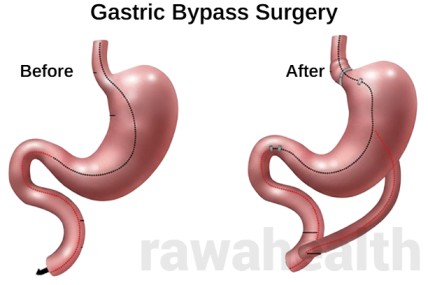
The Roux-en-Y procedure reshapes the digestive system into a Y-shaped configuration. The surgery involves:
Creating a Small Stomach Pouch:
Surgeons divide the top portion of the stomach using surgical staples to form a small pouch, typically the size of an egg. This pouch drastically limits the amount of food the patient can eat at one time.
Bypassing the Upper Small Intestine:
Surgeons divide the small intestine several feet down and attach the lower segment to the new stomach pouch. This allows food to bypass most of the stomach and the upper part of the small intestine (duodenum and part of the jejunum).
Reconnecting the Digestive Tract:
The bypassed upper portion of the small intestine connects further down the intestinal tract, allowing digestive juices from the liver, gallbladder, and pancreas to mix with food. This ensures proper digestion while limiting calorie absorption.
This combination of restriction and malabsorption produces substantial weight loss and alters metabolic hormones to improve blood sugar regulation, control appetite, and enhance overall metabolic health.
Who Should Consider Gastric Bypass Surgery?
Gastric bypass is generally advised for individuals with:
- Class III obesity (BMI ≥ 40 kg/m²)
- Class II obesity (BMI 35–39.9 kg/m²) with serious weight-related conditions such as type 2 diabetes, hypertension, or severe sleep apnea
- Obesity-related type 2 diabetes in patients with BMI ≥ 30 kg/m², especially when the diabetes is difficult to manage through lifestyle changes and medication
The surgery is not recommended for individuals unwilling to commit to permanent lifestyle changes. Successful outcomes require lifelong attention to diet, physical activity, and regular medical monitoring.
How Gastric Bypass Surgery Works
The Roux-en-Y procedure reshapes the digestive system into a Y-shaped configuration. The surgery involves:
Creating a Small Stomach Pouch:
The top portion of the stomach is divided using surgical staples to form a small pouch, typically the size of an egg. This pouch drastically limits the amount of food the patient can consume at one time.Bypassing the Upper Small Intestine:
The small intestine is divided several feet down its length. The lower segment is then attached to the newly created stomach pouch. This allows food to bypass the majority of the stomach and the upper part of the small intestine (duodenum and part of the jejunum).Reconnecting the Digestive Tract:
The bypassed upper portion of the small intestine is connected further down the intestinal tract to allow digestive juices from the liver, gallbladder, and pancreas to mix with food. This ensures proper digestion while limiting calorie absorption.
This combination of restriction and malabsorption leads to substantial weight loss, while also altering metabolic hormones to improve blood sugar regulation, appetite control, and overall metabolic health.
Types of Gastric Bypass Surgery
Although Roux-en-Y is the most commonly performed gastric bypass procedure, there are different surgical approaches:
Laparoscopic Gastric Bypass:
This is the standard method used today. Surgeons make 3–5 small incisions (each about 0.5 inches) in the abdomen and use a laparoscope (a thin tube with a camera) to perform the surgery. The advantages include:
- Reduced risk of infection and complications
- Faster recovery time
- Minimal scarring
- Less pain post-surgery
Robotic-Assisted Gastric Bypass:
Surgeons use robotic arms controlled via a computer while performing the laparoscopic surgery. The robot enhances precision and control, particularly in complex cases.Open Gastric Bypass Surgery:
Rarely performed today, open surgery involves a large abdominal incision. It may be required in patients with extensive abdominal adhesions or previous complex surgeries.
Gastric Bypass Surgery Cost in India
| City | Average Cost (USD) |
|---|---|
| Delhi | $4,000 – $6,000 |
| Mumbai | $4,500 – $8,000 |
| Bangalore | $6,000 – $8,000 |
| Chennai | $4,500 – $7,000 |
| Hyderabad | $6,000 – $8,000 |
Cost Comparison - India vs. Other Countries
| Country | Average Cost (USD) |
|---|---|
| India | $4,000 – $6,000 |
| USA | $15,000 – $25,000 |
| Mexico | $8,000 – $10,000 |
| Turkey | $7,000 – $1,000 |
Duration of Surgery and Hospital Stay
Gastric bypass surgery typically takes 2–4 hours to perform. Following the procedure:
- Patients usually stay in the hospital for 2–3 days.
- Initially, only liquids are allowed. Solid foods are gradually introduced over the following weeks.
- Pain is managed with prescribed medications, often through an IV initially and orally at home.
Expected Weight Loss and Long-Term Outcomes
Weight loss following gastric bypass surgery is often dramatic:
- Average weight loss in the first year: Approximately 70% of excess body weight
- Long-term maintenance: Around 50% of excess weight over 10–20 years
Weight loss contributes to improvement in obesity-related conditions such as:
- Type 2 diabetes
- Hypertension
- High cholesterol
- Sleep apnea
- Fatty liver disease
- Gastroesophageal reflux disease (GERD)
Some patients may regain a small amount of weight, particularly if dietary and lifestyle changes are not maintained. Regular follow-ups and adherence to healthy habits are critical for sustained results.
Benefits of Gastric Bypass Surgery
Gastric bypass provides multiple health and lifestyle benefits:
- Significant and Rapid Weight Loss:
Most patients lose 60–80% of excess body weight within the first 12–18 months. - Improvement in Metabolic Health:
The surgery reduces blood sugar levels, insulin resistance, and risk factors associated with type 2 diabetes and heart disease. - Enhanced Quality of Life:
Patients experience improved mobility, increased energy, and reduced joint pain. - Reduction in Medication Use:
Many obesity-related conditions improve enough that patients can reduce or discontinue medications under physician guidance. - Long-Term Health Benefits:
Studies show sustained weight loss and improved metabolic health for decades after surgery.
Risks and Complications
Like any major surgery, gastric bypass carries certain risks:
Short-Term Risks:
- Excessive bleeding
- Infection at the incision site
- Adverse reactions to anesthesia
- Blood clots
- Lung or breathing complications
Procedure-Specific Risks:
- Hernias: Abdominal organs can push through weak spots in the abdominal wall
- Small bowel obstruction: Scar tissue may block or narrow the intestine
- Anastomotic leaks: Connections between intestine segments may leak, causing infection
Long-Term Risks:
- Dumping Syndrome: Rapid food movement into the small intestine causes nausea, diarrhea, and low blood sugar
- Malabsorption and Nutritional Deficiencies: Lifelong supplementation of vitamins and minerals is necessary
- Bile Reflux: Improper closure of the pyloric valve can lead to bile entering the stomach
- Gallstones: Rapid weight loss increases cholesterol concentration in bile, leading to gallstone formation
- Ulcers: Risk of stomach or duodenal ulcers increases; NSAID use and smoking must be avoided
- Weight Regain: Improper diet or stretching of the stomach pouch can lead to weight regain, sometimes requiring revision surgery
Recovery Process
Immediate Recovery:
- Hospital stay of 2–3 days
- Pain management through IV and oral medications
- Gradual reintroduction of liquids
Home Recovery:
- Avoid strenuous activity for 6 weeks
- Full diet normalization may take 12 weeks
- Monitor incision healing and report any unusual pain, swelling, or fever
Common Recovery Symptoms:
- Fatigue due to rapid weight loss and low calorie intake
- Mood changes from hormonal shifts
- Digestive changes including altered stool consistency and odor
- Hair loss and cold sensitivity in the first few months
Post-Surgery Diet Guidelines
Diet is crucial for recovery and long-term success:
- Initial Liquid Diet:
Water, broth, sugar-free juices, and protein shakes for the first 2–4 weeks - Soft Diet:
Pureed foods like mashed vegetables, eggs, and yogurt for 2–4 weeks - Solid Diet:
Slowly reintroduce solid foods while avoiding: - Sugary foods
- High-starch foods
- Carbonated drinks
- Hydration:
At least 64 ounces of fluids daily; avoid drinking while eating to prevent overfilling the pouch - Protein Intake:
Minimum 100 grams per day from lean sources such as chicken, fish, eggs, and protein supplements - Vitamin and Mineral Supplements:
Lifelong supplementation including multivitamins, calcium, vitamin B12, and iron is necessary
Conclusion
Gastric bypass surgery is a major medical intervention designed for individuals with severe obesity or obesity-related health conditions. The Roux-en-Y procedure is highly effective for long-term weight loss, metabolic improvements, and enhanced quality of life. While the surgery carries risks, careful patient selection, adherence to dietary guidelines, and regular medical follow-ups can maximize benefits and minimize complications.
For those committed to permanent lifestyle changes, gastric bypass offers a life
Our Step-by-Step Process – How We Work
- Initial Consultation: Understand medical history, concerns, and goals for personalized guidance.
- Personalized Treatment Plan: Customized plan with recommended treatment, costs, and timeline.
- Travel & Preparation: Visa, airport transfers, accommodation, and language support.
- Scheduling & Procedure: Treatment at top hospitals with experienced doctors using advanced technology.
- Aftercare & Follow-Up: Nursing care, follow-ups, and continuous support for smooth recovery.
Why Patients Choose India for Medical Treatment
- Expert Doctors & Specialists: Highly skilled, internationally trained doctors handle advanced procedures and complex surgeries.
- State-of-the-Art Hospitals: Modern hospitals with latest technology and international accreditations ensure world-class treatment.
- Affordable Costs: Medical care in India is 30%–70% cheaper than in Western countries without compromising quality.
- Quick Access: Minimal waiting times allow patients to get treated promptly.
- End-to-End Support: Visa, airport transfers, accommodation, language translation, and post-treatment follow-up provided.
- High Success Rates: Proven track record in surgeries, transplants, and advanced treatments.
- Personalized Care: Individual attention ensures a smooth, safe, and comfortable medical journey.
Get Started with Rawa Health Services
- If you’re considering treatment in India, Rawa Health Services will guide you every step of the way:
- ✅ Free Pre-Surgery Consultation
✅ Doctor & Hospital Appointment
✅ Visa & Travel Assistance
✅ Airport Pickup & Accommodation
✅ Post-Treatment Support
✅ Multilingual Translators for Your Native Language - 📞 Call/WhatsApp: +91-9990978550
📧 Email: rawahealthservices@gmail.com