Gastric Balloon: Comprehensive Guide for Safe and Effective Weight Loss
Introduction
Gastric Balloon, Obesity is a major global health concern that affects both physical and mental well-being. Excess body weight is associated with conditions such as type 2 diabetes, hypertension, heart disease, fatty liver, joint pain, sleep apnea, and even certain cancers. Although diet and exercise are essential for maintaining a healthy body, they often fail to produce lasting results in individuals with stubborn fat or metabolic imbalances.
In such cases, gastric balloon therapy offers a non-surgical, minimally invasive weight-loss option. The procedure involves placing a soft, inflatable balloon inside the stomach to occupy space, promoting early satiety, and encouraging healthier eating habits. It is an excellent solution for people who are unable to achieve significant weight loss through conventional methods alone.
This comprehensive guide will explain everything about gastric balloon therapy, from eligibility to procedure details, recovery, diet, results, and long-term maintenance, helping you make an informed decision about this weight-loss approach.
What is a Gastric Balloon?
A gastric balloon is a temporary medical device designed to reduce the stomach’s capacity, thereby limiting food intake. It is made from soft, medical-grade silicone and can be filled with saline (liquid) or gas. The balloon is inserted endoscopically, meaning there are no surgical incisions, which significantly reduces risks, pain, and recovery time.
Key Features
- Non-surgical: Endoscopic placement without the need for cuts or general anesthesia.
- Temporary: Usually kept in place for six months.
- Early Satiety: Makes patients feel full faster and reduces portion sizes.
- Lifestyle Integration: Encourages permanent dietary and behavioral changes.
- Weight Loss Support: Effective for individuals with BMI 30–40, or those preparing for bariatric surgery.
How Does a Gastric Balloon Work?
The balloon works through multiple mechanisms:
- Space Occupation: Takes up one-third of the stomach, reducing the volume available for food.
- Slower Gastric Emptying: Food remains in the stomach longer, prolonging fullness.
- Hormonal Changes: May influence appetite-regulating hormones, leading to reduced hunger.
By helping patients eat smaller meals and feel satiated quickly, gastric balloon therapy fosters sustainable weight loss and healthier eating habits.
Who is a Candidate for Gastric Balloon?
Ideal candidates for gastric balloon therapy include individuals who:
- Have a BMI of 30–40 (moderately obese).
- Have tried diet and exercise without significant success.
- Are willing to adopt lifestyle changes for long-term success.
- Have not had prior stomach or esophageal surgery.
- Do not have severe chronic medical conditions that contraindicate endoscopy.
Not suitable for:
- Individuals with peptic ulcers, hiatal hernia, or gastrointestinal bleeding.
- Pregnant or breastfeeding women.
- Patients with severe obesity requiring immediate bariatric surgery.
Preparing for the Gastric Balloon Procedure
Proper preparation is critical to maximize safety and effectiveness.
Medical Evaluation
- Complete health history and physical examination.
- Blood tests and imaging to ensure suitability.
- Assessment of obesity-related conditions such as diabetes or hypertension.
Dietary and Medication Adjustments
- Stop medications like blood thinners if instructed.
- Follow a clear liquid diet 1–2 days prior to the procedure.
- Fasting after midnight on the day of placement.
Lifestyle Preparation
- Quit smoking and limit alcohol intake.
- Begin approved light physical activity to improve recovery.
The Gastric Balloon Procedure
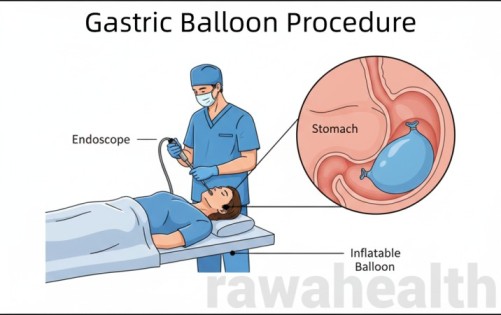
The procedure is performed in an endoscopy unit under mild sedation.
Step-by-Step Process
- Sedation: Patient receives mild sedation to ensure comfort.
- Insertion: The deflated balloon is guided into the stomach using an endoscope through the mouth.
- Balloon Inflation: The balloon is filled with sterile saline or gas, occupying about one-third of the stomach.
- Completion: Catheter is removed, leaving the balloon in place.
- Recovery: Observed for 1–2 hours before discharge.
Duration: 20–30 minutes
Post-Procedure Care
- Begin with clear liquids for the first day.
- Gradually transition to soft foods and eventually a balanced diet within 2–3 weeks.
- Maintain hydration to support recovery.
- Regular follow-ups with the medical team, including nutritionists and behavioral specialists.
Diet & Lifestyle After Gastric Balloon
Maintaining the weight-loss effect requires proper diet and lifestyle changes:
- Smaller, frequent meals: 4–6 times a day.
- Avoid carbonated and sugary beverages.
- Protein-rich foods to preserve muscle mass.
- Low-fat and high-fiber diet to enhance satiety.
- Regular physical activity: walking, swimming, or strength training.
- Behavioral therapy: helps sustain long-term healthy habits.
Expected Results
- Average weight loss: 15–40% of total body weight in 6 months.
- Reduction in obesity-related conditions such as type 2 diabetes, high blood pressure, fatty liver, and sleep apnea.
- Improved physical fitness, mobility, and self-confidence.
Risks and Complications
Common Side Effects
- Nausea and vomiting (typically resolves in a few days)
- Abdominal discomfort and bloating
- Acid reflux
- Temporary constipation
Rare but Serious Risks
- Balloon deflation or migration, possibly causing intestinal blockage
- Ulcers in the stomach or esophagus
- Gastrointestinal perforation (rare, serious)
- Acute pancreatitis (very rare)
Removal of Gastric Balloon
- Done 6 months after placement using endoscopy.
- The balloon is punctured and deflated, then removed.
- Patients continue healthy diet and exercise after removal.
Gastric Balloon Procedure Cost in India
| City | Estimated Cost (USD) |
|---|---|
| Delhi | $3,000 – $5,000 |
| Mumbai | $3,900 – $6,000 |
| Bangalore | $4,000 – $6,000 |
| Hyderabad | $3,700 – $5,500 |
| Chennai | $3,800 – $5,800 |
Advantages of Gastric Balloon
- Non-surgical and minimally invasive
- Temporary and reversible
- Reduces appetite and food intake
- Supports long-term lifestyle modifications
- Quick recovery compared to bariatric surgery
Long-Term Maintenance
- Commit to healthy eating habits.
- Engage in daily physical activity.
- Attend regular medical check-ups.
- Use behavioral therapy to prevent relapse.
- Monitor weight and maintain progress
Our Step-by-Step Process – How We Work
- Initial Consultation: Understand medical history, concerns, and goals for personalized guidance.
- Personalized Treatment Plan: Customized plan with recommended treatment, costs, and timeline.
- Travel & Preparation: Visa, airport transfers, accommodation, and language support.
- Scheduling & Procedure: Treatment at top hospitals with experienced doctors using advanced technology.
- Aftercare & Follow-Up: Nursing care, follow-ups, and continuous support for smooth recovery.
Why Patients Choose India for Medical Treatment
- Expert Doctors & Specialists: Highly skilled, internationally trained doctors handle advanced procedures and complex surgeries.
- State-of-the-Art Hospitals: Modern hospitals with latest technology and international accreditations ensure world-class treatment.
- Affordable Costs: Medical care in India is 30%–70% cheaper than in Western countries without compromising quality.
- Quick Access: Minimal waiting times allow patients to get treated promptly.
- End-to-End Support: Visa, airport transfers, accommodation, language translation, and post-treatment follow-up provided.
- High Success Rates: Proven track record in surgeries, transplants, and advanced treatments.
- Personalized Care: Individual attention ensures a smooth, safe, and comfortable medical journey.
Get Started with Rawa Health Services
- If you’re considering treatment in India, Rawa Health Services will guide you every step of the way:
- ✅ Free Pre-Surgery Consultation
✅ Doctor & Hospital Appointment
✅ Visa & Travel Assistance
✅ Airport Pickup & Accommodation
✅ Post-Treatment Support
✅ Multilingual Translators for Your Native Language - 📞 Call/WhatsApp: +91-9990978550
📧 Email: rawahealthservices@gmail.com