Eye Bag Removal: A Comprehensive Overview
Eye Bag Removal: Eye bags are one of the most common cosmetic concerns that affect people as they age. These puffy or saggy areas beneath the eyes can make an individual look tired, older, and less refreshed than they truly feel. While mild eye bags may improve with lifestyle changes, more prominent or persistent under-eye bags often require medical or cosmetic intervention. In this comprehensive guide, we will explore everything about eye bag removal, including causes, treatment options, preparation, recovery, risks, and costs, especially in India.
Understanding Eye Bags
Eye bags develop when tissues around the eyes weaken, and fat deposits shift downward. The skin in this area becomes looser and less elastic with age. Additionally, fluid retention can cause puffiness. Factors such as genetics, lack of sleep, allergies, and lifestyle choices can worsen the problem.
Common Causes
- Aging: Natural reduction in collagen and skin elasticity.
- Genetics: Family history can make you more prone.
- Lifestyle: Poor diet, smoking, and alcohol use.
- Medical conditions: Allergies, thyroid disorders, and fluid retention.
Why Consider Eye Bag Removal?
People seek treatment for cosmetic reasons, as under-eye puffiness often impacts self-confidence. Moreover, in severe cases, sagging skin can affect vision. Choosing to undergo eye bag removal is a personal decision, but most individuals do it to achieve a fresher and more youthful look.
Non-Surgical Options for Eye Bag Removal
Non-surgical treatments are popular among patients who want quick results with minimal downtime.
Dermal Fillers
- Injected beneath the eyes to reduce hollowing and smooth out puffiness.
- Temporary solution, lasting 6 to 18 months.
Laser Therapy
- Stimulates collagen production and tightens skin.
- Helps improve skin tone and reduce mild puffiness.
Radiofrequency Treatments
- Non-invasive tightening of the skin under the eyes.
- Requires multiple sessions for visible improvement.
Chemical Peels
- Improve pigmentation and texture around the eyes.
- Best for mild cases rather than severe sagging.
Surgical Options for Eye Bag Removal
When non-surgical treatments fail, surgical procedures may provide long-lasting results. The most common surgery is blepharoplasty.
Lower Eyelid Blepharoplasty
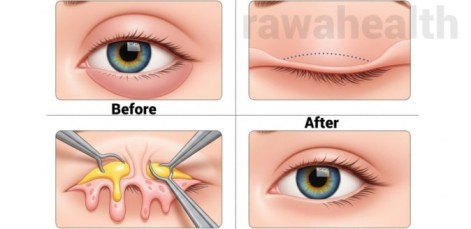
- Excess fat, muscle, and skin are repositioned or removed.
- Can be performed through external incisions or transconjunctival approach.
Fat Repositioning
- Instead of removing fat, surgeons redistribute it to reduce hollowing.
Combined Procedures
- Sometimes paired with brow lifts or upper eyelid surgery for complete rejuvenation.
Preparing for Eye Bag Removal Surgery
Preparation plays a key role in achieving the best results.
- Medical Evaluation: Complete health assessment and medical history.
- Medication Adjustment: Stop blood thinners or herbal supplements that increase bleeding risk.
- Lifestyle Preparation: Quit smoking and limit alcohol intake.
- Pre-Surgery Tests: Blood tests, eye exams, or imaging if needed.
The Eye Bag Removal Surgery Procedure
Eye bag removal surgery usually takes 1–2 hours. It is performed under local anesthesia with sedation or general anesthesia.
- Incision: Made either below the lash line or inside the lower eyelid.
- Fat Removal or Redistribution: Excess fat is carefully adjusted.
- Skin Tightening: Loose skin is trimmed and tightened.
- Closure: Incisions are closed with fine sutures.
Recovery After Eye Bag Removal Surgery
Recovery varies, but most people resume normal activities within 1–2 weeks.
- Immediate Care: Cold compresses help reduce swelling.
- Medication: Pain relievers and antibiotic eye ointments are prescribed.
- Follow-Up Visits: Stitches may be removed within a week.
- Final Results: Visible after swelling subsides, usually in 4–6 weeks.
Risks and Complications of Eye Bag Removal
Like any procedure, eye bag removal has risks, although complications are rare when performed by an experienced surgeon.
- Infection or bleeding
- Asymmetry in eyelid shape
- Scarring
- Temporary blurred vision
- Dry or irritated eyes
Lifestyle Tips to Prevent Eye Bags After Treatment
Even after successful treatment, lifestyle adjustments help maintain results.
- Get sufficient sleep every night.
- Maintain a balanced diet rich in vitamins and antioxidants.
- Reduce salt intake to minimize water retention.
- Stay hydrated throughout the day.
- Protect your eyes from UV rays by wearing sunglasses.
Who is an Ideal Candidate for Eye Bag Removal?
The best candidates are:
- Individuals with persistent puffiness under the eyes.
- People in good health without serious medical conditions.
- Non-smokers with realistic expectations.
Alternatives to Surgery
For individuals who are not ready for surgery, the following may help:
- Specialized eye creams containing retinol or peptides.
- Cold compresses or tea bags to reduce puffiness.
- Healthy lifestyle and stress management.
Eye Bag Removal Cost in India
The cost of eye bag removal varies depending on the city, hospital, and surgeon’s expertise.
Average Cost (in USD)
| Type of Procedure | Estimated Cost (USD) |
|---|---|
| Non-Surgical Fillers | $300 – $600 per session |
| Laser or Radiofrequency Treatment | $400 – $900 per session |
| Chemical Peels | $200 – $500 per session |
| Lower Eyelid Blepharoplasty | $1,200 – $2,500 |
| Combined Procedures | $2,000 – $3,500 |
Long-Term Results and Maintenance
Eye bag removal not only enhances appearance but also boosts self-esteem. Patients often report feeling more confident in personal and professional settings.
Conclusion
Eye bag removal offers effective solutions for individuals struggling with puffiness and sagging under the eyes. From non-invasive fillers and laser therapy to long-lasting surgical options, a wide range of treatments is available. With proper preparation, experienced medical guidance, and healthy lifestyle practices, patients can enjoy refreshed and youthful-looking eyes. The investment in eye bag removal not only enhances appearance but also restores confidence, making it a popular cosmetic procedure worldwide.
Our Step-by-Step Process – How We Work
- Initial Consultation: Understand medical history, concerns, and goals for personalized guidance.
- Personalized Treatment Plan: Customized plan with recommended treatment, costs, and timeline.
- Travel & Preparation: Visa, airport transfers, accommodation, and language support.
- Scheduling & Procedure: Treatment at top hospitals with experienced doctors using advanced technology.
- Aftercare & Follow-Up: Nursing care, follow-ups, and continuous support for smooth recovery.
Why Patients Choose India for Medical Treatment
- Expert Doctors & Specialists: Highly skilled, internationally trained doctors handle advanced procedures and complex surgeries.
- State-of-the-Art Hospitals: Modern hospitals with latest technology and international accreditations ensure world-class treatment.
- Affordable Costs: Medical care in India is 30%–70% cheaper than in Western countries without compromising quality.
- Quick Access: Minimal waiting times allow patients to get treated promptly.
- End-to-End Support: Visa, airport transfers, accommodation, language translation, and post-treatment follow-up provided.
- High Success Rates: Proven track record in surgeries, transplants, and advanced treatments.
- Personalized Care: Individual attention ensures a smooth, safe, and comfortable medical journey.
Get Started with Rawa Health Services
- If you’re considering treatment in India, Rawa Health Services will guide you every step of the way:
- ✅ Free Pre-Surgery Consultation
✅ Doctor & Hospital Appointment
✅ Visa & Travel Assistance
✅ Airport Pickup & Accommodation
✅ Post-Treatment Support
✅ Multilingual Translators for Your Native Language - 📞 Call/WhatsApp: +91-9990978550
📧 Email: rawahealthservices@gmail.com