Duodenal Switch Surgery – Complete Guide, Benefits, Risks & Overview
Duodenal Switch Surgery, also called Biliopancreatic Diversion with Duodenal Switch (BPD/DS), treats severe obesity when diet, exercise, and medication fail. Surgeons combine restrictive (reducing stomach size) and malabsorptive (bypassing a portion of the small intestine) techniques to achieve the best results.
Patients achieve significant weight loss, improved metabolic function, and reduced risk of obesity-related conditions like type 2 diabetes, high blood pressure, and sleep apnea. Compared to gastric bypass or gastric sleeve, the duodenal switch delivers greater long-term weight loss. However, patients must commit to strict post-surgery care, lifelong supplementation, and follow-up monitoring.
What Is Duodenal Switch Surgery?
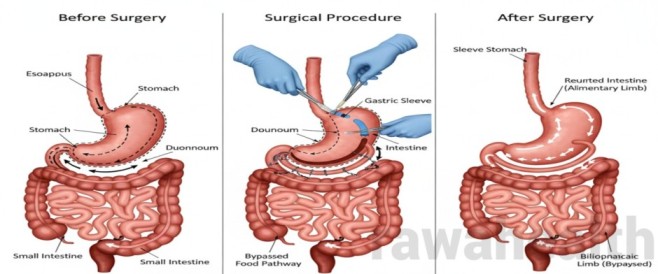
Duodenal Switch limits food intake and reduces calorie absorption. Surgeons perform it in two steps:
- Sleeve Gastrectomy: They remove 70–80% of the stomach, creating a narrow tube-shaped stomach. This reduces appetite and controls food intake.
- Intestinal Bypass: Surgeons reroute the small intestine, bypassing most of the duodenum and jejunum. The body absorbs fewer calories, leading to effective weight loss.
This procedure works best for patients with BMI ≥ 40 or BMI ≥ 35 with obesity-related health problems.
How the Surgery Works
The duodenal switch creates two effects:
- Restriction: A smaller stomach allows less food, making patients feel full faster.
- Malabsorption: Food bypasses most of the small intestine, so the body absorbs fewer calories.
Additionally, hormonal changes improve insulin sensitivity and regulate hunger, contributing to long-term weight management.
Types of Duodenal Switch Procedures
Traditional Biliopancreatic Diversion with Duodenal Switch (BPD/DS):
Surgeons bypass most of the small intestine. This method achieves maximum weight loss but requires lifelong nutritional management.Single Anastomosis Duodeno-Ileal Bypass with Sleeve (SADI-S):
Surgeons perform a simpler bypass with one intestinal connection. It reduces complications while maintaining effective weight loss.
Both begin with a sleeve gastrectomy but differ in how much intestine they bypass.
Who Is a Suitable Candidate?
Doctors recommend duodenal switch for patients who:
- Have BMI ≥ 40 (Class III obesity).
- Have BMI ≥ 35 with conditions such as:
- Type 2 diabetes
- Hypertension
- High cholesterol
- Sleep apnea
- Heart disease
- Obesity-related liver disease
Contraindications:
- Patients who cannot follow lifelong dietary and supplement requirements.
- Severe cardiac or respiratory conditions.
- Untreated psychiatric disorders or substance abuse.
A multidisciplinary bariatric team evaluates patients to ensure safety and maximize outcomes.
Pre-Surgery Preparation
Patients prepare for surgery through:
- Medical Testing: Blood tests, imaging, and cardiac evaluation confirm readiness.
- Lifestyle Changes: Patients must quit smoking and reduce alcohol.
- Nutritional Counseling: High-protein, low-fat diets prepare the digestive system.
- Psychological Assessment: Counseling ensures understanding of the lifestyle changes required.
- Educational Seminars: Patients learn about the surgery, recovery, and post-op care.
Step-by-Step Procedure
Surgeons perform the procedure laparoscopically under general anesthesia:
- Sleeve Gastrectomy: They remove most of the stomach and shape the remainder into a narrow tube.
- Intestinal Bypass: Surgeons divide the small intestine near the duodenum and attach the distal section to the stomach sleeve, bypassing most of the intestine.
- Closure: They suture or staple small incisions. The surgery usually lasts 2–4 hours.
Recovery After Surgery
- Hospital Stay: 1–2 days for laparoscopic surgery.
- Full Recovery: 2–4 weeks.
- Diet Progression: Clear liquids → full liquids → pureed foods → soft foods → solid meals.
- Activity: Patients begin light walking immediately; they resume normal activities gradually.
- Follow-Up: Frequent monitoring occurs during the first 2 years, then periodic lifelong checkups.
Benefits of Duodenal Switch Surgery
- Achieves highest long-term weight loss among bariatric surgeries.
- Improves or resolves type 2 diabetes.
- Reduces cardiovascular risks, hypertension, and sleep apnea.
- Allows slightly larger meals than gastric bypass.
- Rarely causes dumping syndrome.
- Enhances overall quality of life and physical activity.
Risks and Possible Complications
Although generally safe, risks include:
- Infection or bleeding
- Blood clots
- Hernia or bowel obstruction
- Malnutrition due to lower nutrient absorption
- Bile reflux
- Gallstones
- Reactions to anesthesia
Patients reduce risks by following dietary guidelines, taking supplements, and attending regular checkups.
Diet & Lifestyle After Surgery
To maintain nutrition and weight loss:
- Eat a high-protein, low-fat diet.
- Take vitamins and minerals (multivitamins, calcium, vitamin D, iron, B12).
- Avoid sugary or fatty foods.
- Drink plenty of water; avoid carbonated or high-sugar drinks.
- Exercise regularly to maintain metabolism and muscle mass.
Cost of Duodenal Switch Surgery in India vs Other Countries
| Country | Average Cost (USD) |
|---|---|
| India | $4,000 – $10,000 |
| USA | $25,000 – $35,000 |
| UK | $20,000 – $30,000 |
| Germany | $22,000 – $32,000 |
Notes:
- India offers 60–70% lower costs than Western countries.
- Experienced bariatric surgeons provide world-class care.
- International patients benefit from shorter waiting times and personalized treatment.
Conclusion
Duodenal Switch Surgery delivers dramatic, sustained weight loss and improves obesity-related conditions. Patients must commit to lifelong dietary adherence, vitamin supplementation, and regular medical monitoring.
With skilled surgeons and advanced hospitals, duodenal switch surgery becomes life-changing, offering improved health, mobility, and quality of life for patients struggling with severe obesity.
Our Step-by-Step Process – How We Work
- Initial Consultation: Understand medical history, concerns, and goals for personalized guidance.
- Personalized Treatment Plan: Customized plan with recommended treatment, costs, and timeline.
- Travel & Preparation: Visa, airport transfers, accommodation, and language support.
- Scheduling & Procedure: Treatment at top hospitals with experienced doctors using advanced technology.
- Aftercare & Follow-Up: Nursing care, follow-ups, and continuous support for smooth recovery.
Why Patients Choose India for Medical Treatment
- Expert Doctors & Specialists: Highly skilled, internationally trained doctors handle advanced procedures and complex surgeries.
- State-of-the-Art Hospitals: Modern hospitals with latest technology and international accreditations ensure world-class treatment.
- Affordable Costs: Medical care in India is 30%–70% cheaper than in Western countries without compromising quality.
- Quick Access: Minimal waiting times allow patients to get treated promptly.
- End-to-End Support: Visa, airport transfers, accommodation, language translation, and post-treatment follow-up provided.
- High Success Rates: Proven track record in surgeries, transplants, and advanced treatments.
- Personalized Care: Individual attention ensures a smooth, safe, and comfortable medical journey.
Get Started with Rawa Health Services
- If you’re considering treatment in India, Rawa Health Services will guide you every step of the way:
- ✅ Free Pre-Surgery Consultation
✅ Doctor & Hospital Appointment
✅ Visa & Travel Assistance
✅ Airport Pickup & Accommodation
✅ Post-Treatment Support
✅ Multilingual Translators for Your Native Language - 📞 Call/WhatsApp: +91-9990978550
📧 Email: rawahealthservices@gmail.com