Diastasis Recti Surgery: Procedure, Recovery, Benefits, and Cost
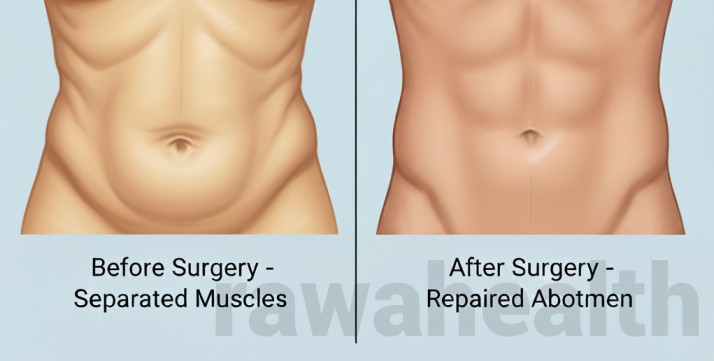
Diastasis recti surgery is a corrective surgical procedure used to repair the separation of abdominal muscles that occurs along the midline of the abdomen. This condition commonly develops after pregnancy, significant weight changes, or abdominal strain. While mild cases may improve with targeted exercises, severe muscle separation often requires surgical intervention for lasting results.
Importantly, diastasis recti surgery not only improves abdominal appearance but also restores core strength and function.
What Is Diastasis Recti?
Diastasis recti refers to the abnormal separation of the rectus abdominis muscles due to stretching of the connective tissue (linea alba). As a result, the abdomen may appear bulged or protruding, especially during movement or strain.
Although the condition is most common in women after childbirth, men and non-pregnant individuals can also develop it due to obesity, heavy lifting, or improper exercise techniques.
Why Diastasis Recti Surgery Is Needed
Initially, doctors recommend physical therapy and core-strengthening exercises. However, these methods do not always restore the damaged connective tissue.
Surgery becomes necessary when:
- Muscle separation is severe
- Abdominal bulge persists despite exercise
- Core weakness causes back pain
- Posture problems develop
- Hernias are present
- Daily activities become uncomfortable
Therefore, diastasis recti surgery offers a permanent structural repair when conservative treatment fails.
Who Is a Suitable Candidate for Diastasis Recti Surgery?
Not everyone with diastasis recti requires surgery. Surgeons carefully evaluate each patient before recommending the procedure.
Ideal candidates include:
- Patients with significant abdominal muscle separation
- Individuals with functional weakness or pain
- Patients who have completed pregnancy plans
- People in stable physical health
- Non-smokers or those willing to quit before surgery
Meanwhile, patients with uncontrolled medical conditions may need additional evaluation.
Types of Diastasis Recti Surgery
The surgical approach depends on the severity of separation and associated conditions.
Open Abdominal Muscle Repair
- This traditional method involves tightening the abdominal muscles through an incision. Surgeons often combine it with abdominoplasty (tummy tuck) for better contouring.
Minimally Invasive Repair
- In selected cases, surgeons use laparoscopic or robotic techniques to repair muscle separation with smaller incisions.
Each technique aims to restore muscle alignment and improve abdominal wall strength.
Pre-Surgical Evaluation and Preparation
Before diastasis recti surgery, doctors conduct a detailed assessment.
This includes:
- Physical examination
- Measurement of muscle separation
- Imaging tests if required
- Medical history review
- Discussion of expectations
Additionally, patients receive guidance on medications, smoking cessation, and pre-operative fasting.
Diastasis Recti Surgery Procedure: Step-by-Step
The procedure typically takes 1.5 to 3 hours, depending on complexity.
1: Anesthesia
- The surgeon administers general anesthesia to ensure comfort throughout the operation.
2: Muscle Repair
- Next, the surgeon brings the separated abdominal muscles back together and secures them using strong sutures.
3: Reinforcement
- In some cases, mesh reinforcement strengthens the abdominal wall, especially when hernias are present.
4: Closure
- Finally, the surgeon closes the incision carefully to promote proper healing.
As a result, the abdominal wall becomes firm and functionally stable.
Hospital Stay and Post-Operative Care
Most patients stay in the hospital for 1–3 days after surgery. During this time, doctors monitor pain levels, mobility, and wound healing.
Post-surgery care includes:
- Pain management medications
- Compression garments
- Limited physical activity
- Wound care instructions
Moreover, early gentle movement helps prevent complications.
Recovery Timeline After Diastasis Recti Surgery
First Week
- Swelling and tightness
- Restricted movement
- Assistance needed for daily activities
Weeks 2–4
- Gradual improvement
- Light walking allowed
- Reduced discomfort
Weeks 6–8
- Return to normal routines
- Resume light exercise
- Core strength improves
Full recovery may take up to 3 months, depending on the surgical approach.
Benefits of Diastasis Recti Surgery
Diastasis recti surgery provides both functional and cosmetic benefits:
- Restores abdominal muscle alignment
- Improves core strength
- Reduces back pain
- Enhances posture
- Flattens abdominal profile
- Lowers hernia risk
Consequently, many patients report improved confidence and physical comfort.
Possible Risks and Complications
Although the procedure is generally safe, potential risks include:
- Infection
- Bleeding
- Scarring
- Fluid accumulation
- Temporary numbness
- Recurrence (rare)
However, choosing an experienced surgeon significantly reduces these risks
Life After Diastasis Recti Surgery
After recovery, patients often notice a strong, stable core and improved mobility. Nevertheless, maintaining results requires lifestyle commitment.
Doctors usually recommend:
- Core-friendly exercises
- Avoiding heavy lifting initially
- Maintaining healthy body weight
- Practicing proper posture
These steps help preserve surgical outcomes long-term.
Cost of Diastasis Recti Surgery in India
| Surgery Type | Cost (USD) |
|---|---|
| Open Diastasis Recti Repair | $2,500 – $6,000 |
| Diastasis Recti Repair with Tummy Tuck | $3,500 – $7,500 |
| Laparoscopic / Minimally Invasive Repair | $4,000 – $8,500 |
| Diastasis Recti Repair with Hernia Correction | $5,000 – $9,000 |
Conclusion
Diastasis recti surgery is an effective and reliable solution for individuals with severe abdominal muscle separation. By restoring core stability and improving physical function, this procedure enhances both quality of life and body confidence. With proper surgical planning, expert care, and post-operative commitment, patients can achieve strong, lasting results.
Our Step-by-Step Process – How We Work
- Initial Consultation: Understand medical history, concerns, and goals for personalized guidance.
- Personalized Treatment Plan: Customized plan with recommended treatment, costs, and timeline.
- Travel & Preparation: Visa, airport transfers, accommodation, and language support.
- Scheduling & Procedure: Treatment at top hospitals with experienced doctors using advanced technology.
- Aftercare & Follow-Up: Nursing care, follow-ups, and continuous support for smooth recovery.
Why Patients Choose India for Medical Treatment
- Expert Doctors & Specialists: Highly skilled, internationally trained doctors handle advanced procedures and complex surgeries.
- State-of-the-Art Hospitals: Modern hospitals with latest technology and international accreditations ensure world-class treatment.
- Affordable Costs: Medical care in India is 60%–70% cheaper than in Western countries without compromising quality.
- Quick Access: Minimal waiting times allow patients to get treated promptly.
- End-to-End Support: Visa, airport transfers, accommodation, language translation, and post-treatment follow-up provided.
- High Success Rates: Proven track record in surgeries, transplants, and advanced treatments.
- Personalized Care: Individual attention ensures a smooth, safe, and comfortable medical journey.
Get Started with Rawa Health Services
- If you’re considering treatment in India, Rawa Health Services will guide you every step of the way:
- ✅ Free Pre-Surgery Consultation
✅ Doctor & Hospital Appointment
✅ Visa & Travel Assistance
✅ Airport Pickup & Accommodation
✅ Post-Treatment Support
✅ Multilingual Translators for Your Native Language - 📞 Call/WhatsApp: +91-9990978550
📧 Email: rawahealthservices@gmail.com