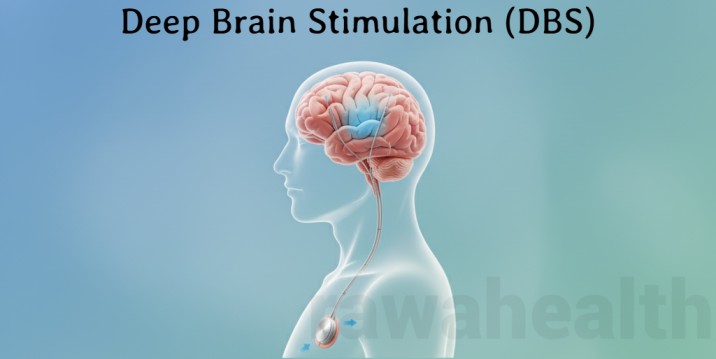
DBS Surgery – Deep Brain Stimulation Treatment
DBS surgery, also known as Deep Brain Stimulation, is an advanced neurosurgical procedure used to treat movement disorders and certain neurological conditions that do not respond well to medications. Over the past two decades, DBS surgery has transformed the lives of thousands of patients suffering from Parkinson’s disease, essential tremor, dystonia, epilepsy, and obsessive-compulsive disorder (OCD). This minimally invasive brain stimulation therapy helps control symptoms, improves quality of life, and reduces dependence on long-term medications.
This detailed guide explains what surgery is, who needs it, how it is performed, benefits, risks, recovery, life after surgery, and the cost of surgery in India.
What Is DBS Surgery?
Doctors recommend surgery when neurological symptoms become severe and medications fail to provide adequate relief. DBS is considered when:
- Symptoms are not controlled with medicines
- Medication side effects become intolerable
- Tremors or stiffness severely affect daily life
- Long-term disease progression reduces quality of life
- Fluctuations in symptom control occur despite treatment
DBS does not cure neurological diseases, but it significantly reduces symptoms and improves functional independence.
Conditions Treated with DBS Surgery
DBS Surgery for Parkinson’s Disease
- DBS is most commonly used for Parkinson’s disease, especially in patients with tremors, rigidity, slowness of movement, and medication-related complications. It helps reduce tremors, improve mobility, and decrease medication dosage.
Deep Brain Stimulation for Essential Tremor
- For patients with severe hand or head tremors, DBS offers excellent tremor control when medications fail.
Dystonia
- DBS improves abnormal muscle contractions and postures in patients with generalized or focal dystonia.
Epilepsy
- In selected cases, DBS helps reduce seizure frequency in patients with drug-resistant epilepsy.
OCD
- Deep Brain Stimulation is also approved for severe Obsessive-Compulsive Disorder that does not respond to therapy or medication.
Who Is an Ideal Candidate for DBS Surgery?
Not every patient qualifies for DBS surgery. Ideal candidates include:
- Diagnosed neurological condition responsive to DBS
- Symptoms uncontrolled by medication
- No severe memory or psychiatric disorders
- Good overall physical health
- Realistic expectations from surgery
A detailed evaluation by a neurologist, neurosurgeon, psychiatrist, and imaging team is essential before approval.
Types of DBS Surgery (Brain Targets Used in DBS)
Subthalamic Nucleus (STN) DBS
- Most commonly used for Parkinson’s disease to control motor symptoms and reduce medication needs.
Globus Pallidus Internus (GPi) DBS
- Effective for Parkinson’s disease and dystonia, especially for patients with involuntary movements.
Thalamic DBS (VIM Target)
- Primarily used for essential tremor and tremor-dominant Parkinson’s disease.
Preoperative Evaluation for DBS Surgery
Before surgery, patients undergo extensive assessments:
- Neurological evaluation
- Brain MRI and CT scans for accurate targeting
- Medication response testing
- Neuropsychological and psychiatric evaluation
- General medical fitness tests
These evaluations ensure safety and predict surgical success.
Step-by-Step DBS Surgery Procedure
Doctors usually perform DBS surgery in two main stages.
1. Brain Electrode Placement
- The surgical team positions the patient’s head using a stereotactic frame.
The neurosurgeon creates small openings in the skull.
The surgeon carefully inserts electrodes into the targeted area of the brain.
The medical team monitors brain activity in real time to confirm accurate placement. - Depending on the patient’s condition, the surgeon performs this stage while the patient is awake or under anesthesia.
2. Pulse Generator Implantation
- A few days later, the surgeon implants the neurostimulator beneath the skin of the chest.
The surgeon connects extension wires from the brain electrodes to the pulse generator.
3. DBS Programming and Activation
- The medical team activates the device after the healing process.
Specialists adjust the electrical settings during follow-up visits to achieve optimal symptom control.
Recovery After DBS Surgery (Post-Operative Care)
Hospital Stay
- Usually 3–5 days
- Monitoring for infection, bleeding, or swelling
Initial Recovery
- Mild headache or discomfort may occur
- Normal activities resume within 2–4 weeks
DBS Programming
- Several programming sessions are required
- Symptom improvement continues over weeks to months
Benefits of DBS Surgery (Advantages of Deep Brain Stimulation)
- Significant reduction in tremors and stiffness
- Improved movement and daily functioning
- Reduced medication dosage
- Fewer medication side effects
- Adjustable and reversible treatment
- Long-term symptom control
Many patients report dramatic improvement in quality of life after DBS surgery.
Risks and Complications of DBS Surgery
Although DBS is considered safe, possible risks include:
- Infection
- Bleeding in the brain (rare)
- Headache or confusion
- Device malfunction
- Speech or balance issues
- Mood or behavioral changes
With experienced neurosurgical teams, complication rates remain low.
Life After DBS Surgery (Long-Term Outlook)
After DBS surgery, most patients can:
- Perform daily activities independently
- Walk and move more freely
- Reduce dependency on caregivers
- Resume social and professional life
Regular follow-ups are essential to adjust stimulation settings and replace batteries when needed.
DBS Surgery Cost in India
| DBS Surgery Type | Cost (USD) |
|---|---|
| Single-Sided DBS Surgery | $12,000 – $22,000 |
| Bilateral DBS Surgery | $14,000 – $30,000 |
| Rechargeable DBS System | $25,000 – $35,000 |
| Battery Replacement | $3,000 – $6,000 |
Cost varies based on hospital, device brand, and complexity.
Conclusion
DBS surgery is a safe, advanced, and life-changing treatment for patients with severe neurological disorders who no longer respond to medications. By regulating abnormal brain signals, Deep Brain Stimulation restores movement control, reduces symptoms, and dramatically improves quality of life. With proper patient selection, expert surgical care, and ongoing follow-up, DBS surgery offers long-lasting benefits and renewed independence for patients worldwide.
Our Step-by-Step Process – How We Work
- Initial Consultation: Understand medical history, concerns, and goals for personalized guidance.
- Personalized Treatment Plan: Customized plan with recommended treatment, costs, and timeline.
- Travel & Preparation: Visa, airport transfers, accommodation, and language support.
- Scheduling & Procedure: Treatment at top hospitals with experienced doctors using advanced technology.
- Aftercare & Follow-Up: Nursing care, follow-ups, and continuous support for smooth recovery.
Why Patients Choose India for Medical Treatment
- Expert Doctors & Specialists: Highly skilled, internationally trained doctors handle advanced procedures and complex surgeries.
- State-of-the-Art Hospitals: Modern hospitals with latest technology and international accreditations ensure world-class treatment.
- Affordable Costs: Medical care in India is 60%–70% cheaper than in Western countries without compromising quality.
- Quick Access: Minimal waiting times allow patients to get treated promptly.
- End-to-End Support: Visa, airport transfers, accommodation, language translation, and post-treatment follow-up provided.
- High Success Rates: Proven track record in surgeries, transplants, and advanced treatments.
- Personalized Care: Individual attention ensures a smooth, safe, and comfortable medical journey.
Get Started with Rawa Health Services
- If you’re considering treatment in India, Rawa Health Services will guide you every step of the way:
- ✅ Free Pre-Surgery Consultation
✅ Doctor & Hospital Appointment
✅ Visa & Travel Assistance
✅ Airport Pickup & Accommodation
✅ Post-Treatment Support
✅ Multilingual Translators for Your Native Language - 📞 Call/WhatsApp: +91-9990978550
📧 Email: rawahealthservices@gmail.com