Carotid Endarterectomy
Carotid endarterectomy is a proven surgical procedure performed to reduce the risk of stroke by removing plaque buildup from the carotid arteries. These arteries supply oxygen-rich blood to the brain, and when they become narrowed due to atherosclerosis, the risk of stroke increases significantly. Therefore, timely surgical intervention can be life-saving for many patients.
Moreover, carotid endarterectomy has remained one of the most effective treatments for significant carotid artery stenosis, especially in patients who already show symptoms. This guide explains the procedure, indications, steps, recovery, benefits, risks, and expected outcomes in detail.
What Is Carotid Endarterectomy Surgery?
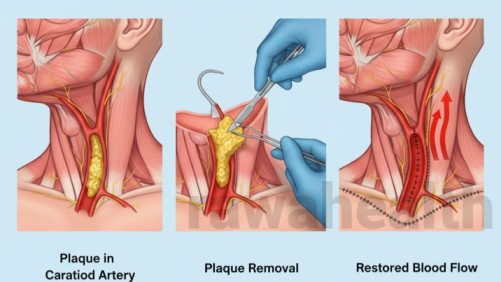
Carotid endarterectomy is a surgical procedure in which a vascular surgeon removes fatty plaque deposits from the inner lining of the carotid artery. These plaques restrict blood flow to the brain and can lead to transient ischemic attacks (TIAs) or full-blown strokes.
During the surgery, the surgeon opens the affected artery, carefully removes the plaque, and then repairs the artery to restore smooth blood flow. As a result, the risk of future strokes reduces significantly.
Why Carotid Endarterectomy Is Performed
Doctors recommend this surgery when carotid artery narrowing becomes severe or dangerous. In many cases, medications alone cannot reduce the stroke risk sufficiently.
Common reasons include:
- Carotid artery blockage of 70% or more
- History of stroke or mini-stroke (TIA)
- Symptoms such as sudden weakness, vision loss, or speech difficulty
- Plaque buildup detected on imaging tests
- High stroke risk despite medical therapy
Therefore, carotid endarterectomy plays a preventive as well as protective role.
Who Needs Carotid Endarterectomy?
Not all patients with carotid artery disease require surgery. However, certain groups benefit more than others.
Ideal candidates usually:
- Have significant carotid artery narrowing
- Are medically fit for surgery
- Have a reasonable life expectancy
- Experience symptoms related to reduced brain blood flow
On the other hand, patients with mild stenosis or severe comorbidities may receive medical management instead.
How Is Carotid Artery Disease Diagnosed?
Before recommending surgery, doctors confirm the diagnosis using several tests. These evaluations help determine severity and surgical suitability.
Common diagnostic tests include:
- Carotid Doppler Ultrasound – Measures blood flow and narrowing
- CT Angiography (CTA) – Provides detailed artery images
- MR Angiography (MRA) – Visualizes arteries without radiation
- Conventional Angiography – Gold standard in complex cases
If tests show significant blockage, surgery becomes a strong consideration.
Step-by-Step Carotid Endarterectomy Procedure
Carotid endarterectomy typically takes 1.5 to 3 hours and is performed by a vascular surgeon.
1. Anesthesia
- The procedure is done under general or regional anesthesia. Meanwhile, vital signs remain continuously monitored.
2. Surgical Incision
- The surgeon makes a small incision on the side of the neck to expose the carotid artery.
3. Artery Opening
- Next, blood flow is temporarily rerouted or controlled, and the artery is opened carefully.
4. Plaque Removal
- The surgeon removes plaque deposits from the artery wall, restoring a smooth inner surface.
5. Artery Repair
- After plaque removal, the artery is closed using sutures or a patch to prevent narrowing.
6. Closure
- Finally, the incision is closed, and blood flow returns to normal.
- As a result, brain circulation improves immediately.
Hospital Stay and Immediate Recovery
Most patients stay in the hospital for 1 to 3 days after surgery. During this period, doctors monitor neurological function, blood pressure, and wound healing.
Meanwhile, patients can usually eat and walk within 24 hours. Pain remains mild and responds well to medication.
Recovery Timeline After Carotid Endarterectomy
First Week
- Mild neck discomfort
- Temporary hoarseness or numbness
- Limited physical activity
Weeks 2–4
- Gradual return to normal activities
- Improved energy levels
- Follow-up visit for wound check
After 4–6 Weeks
- Full recovery for most patients
- Return to work and exercise with approval
Overall, recovery remains faster than many major vascular surgeries.
Benefits of Carotid Endarterectomy
This surgery offers several long-term advantages:
- Significant reduction in stroke risk
- Improved blood flow to the brain
- Prevention of future neurological damage
- Proven long-term effectiveness
- Better quality of life
Therefore, doctors strongly recommend it for eligible high-risk patients.
Risks and Possible Complications
Although carotid endarterectomy is generally safe, some risks exist:
- Stroke during or after surgery
- Bleeding or infection
- Nerve injury causing voice or swallowing changes
- Heart complications in high-risk patients
- Re-narrowing of the artery (rare)
However, experienced surgical teams keep complication rates very low.
Carotid Endarterectomy vs Carotid Stenting
| Feature | Endarterectomy | Carotid Stenting |
|---|---|---|
| Approach | Open surgery | Minimally invasive |
| Best for | Most patients | High surgical risk |
| Stroke risk | Lower long-term | Slightly higher |
| Durability | Long-lasting | May need monitoring |
| Anesthesia | General/local | Local |
Doctors choose the option based on patient-specific factors.
Cost of Carotid Endarterectomy Surgery in India
| Surgery Type | Cost (USD) |
|---|---|
| Standard Carotid Endarterectomy | $4,000 – $6,500 |
| Endarterectomy with Patch Repair | $4,500 – $7,000 |
| Complex / High-Risk Cases | $6,000 – $8,500 |
Conclusion
Carotid endarterectomy is a safe, effective, and life-saving surgical procedure for patients with significant carotid artery blockage. By restoring proper blood flow to the brain, it dramatically reduces the risk of stroke and long-term neurological damage. When performed at the right time and followed by healthy lifestyle changes, this surgery offers excellent long-term outcomes and improved quality of life.
Our Step-by-Step Process – How We Work
- Initial Consultation: Understand medical history, concerns, and goals for personalized guidance.
- Personalized Treatment Plan: Customized plan with recommended treatment, costs, and timeline.
- Travel & Preparation: Visa, airport transfers, accommodation, and language support.
- Scheduling & Procedure: Treatment at top hospitals with experienced doctors using advanced technology.
- Aftercare & Follow-Up: Nursing care, follow-ups, and continuous support for smooth recovery.
Why Patients Choose India for Medical Treatment
- Expert Doctors & Specialists: Highly skilled, internationally trained doctors handle advanced procedures and complex surgeries.
- State-of-the-Art Hospitals: Modern hospitals with latest technology and international accreditations ensure world-class treatment.
- Affordable Costs: Medical care in India is 60%–70% cheaper than in Western countries without compromising quality.
- Quick Access: Minimal waiting times allow patients to get treated promptly.
- End-to-End Support: Visa, airport transfers, accommodation, language translation, and post-treatment follow-up provided.
- High Success Rates: Proven track record in surgeries, transplants, and advanced treatments.
- Personalized Care: Individual attention ensures a smooth, safe, and comfortable medical journey.
Get Started with Rawa Health Services
- If you’re considering treatment in India, Rawa Health Services will guide you every step of the way:
- ✅ Free Pre-Surgery Consultation
✅ Doctor & Hospital Appointment
✅ Visa & Travel Assistance
✅ Airport Pickup & Accommodation
✅ Post-Treatment Support
✅ Multilingual Translators for Your Native Language - 📞 Call/WhatsApp: +91-9990978550
📧 Email: rawahealthservices@gmail.com