Heart Bypass Surgery (CABG) – Introduction & Overview
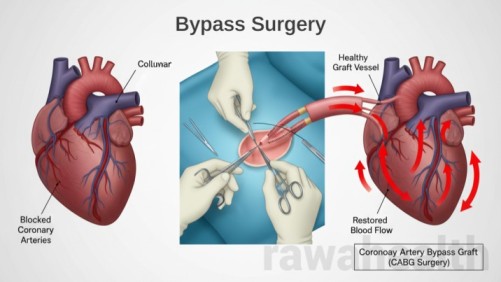
Bypass Surgery, medically called Coronary Artery Bypass Grafting (CABG), is one of the most effective surgical treatments for severe heart disease. Surgeons perform this surgery when plaque builds up in the coronary arteries, which supply oxygen-rich blood to the heart. The blocked arteries reduce blood flow, causing chest pain (angina), shortness of breath, and increasing the risk of a heart attack.
During CABG, surgeons reroute blood around the blocked arteries using healthy blood vessels taken from another part of the body, such as the leg, chest, or arm. This procedure restores normal blood circulation, relieves symptoms, and significantly reduces life-threatening risks associated with coronary artery disease.
Why Doctors Recommend Bypass Surgery (CABG)
Doctors suggest CABG when lifestyle changes, medications, or less invasive procedures like angioplasty or stenting do not improve blood flow. Common situations include:
- Multiple coronary arteries with severe blockages.
- Blockage in the left main coronary artery, which supplies most of the heart.
- Persistent angina despite medications.
- High risk of heart attack due to poor blood supply.
- Previous unsuccessful angioplasty or stent placement.
- Advanced coronary artery disease causing weak heart function.
CABG often serves as a life-saving intervention for patients with advanced heart disease.
Who Should Consider Bypass Surgery (CABG)
Surgeons evaluate patients carefully before recommending bypass surgery. You may be a good candidate if you:
- Have multiple blocked coronary arteries.
- Experience chest pain or shortness of breath despite medication.
- Have blockage in the left main coronary artery.
- Have diabetes with coronary artery disease.
- Have reduced heart function due to poor blood supply.
- Are generally healthy enough to undergo major surgery.
Doctors use tests like angiography, ECG, echocardiography, and blood tests to determine if CABG suits you.
Preparing for Bypass Surgery (CABG)
Surgeons prepare patients thoroughly before bypass surgery:
- Pre-surgical tests: Blood tests, chest X-ray, ECG, echocardiography, and coronary angiography.
- Medication review: Doctors may adjust blood thinners or other medicines.
- Lifestyle changes: Quit smoking, eat a heart-healthy diet, and control diabetes and blood pressure.
- Hospital preparation: Avoid food and drinks the night before surgery.
Surgeons also explain procedure risks, expected outcomes, and post-surgery care instructions.
Types of Bypass Surgery (CABG)
CABG varies depending on the number of blocked arteries:
- Single Bypass Surgery: Surgeon bypasses one blocked artery.
- Double Bypass Surgery: Surgeon bypasses two arteries using two grafts.
- Triple Bypass Surgery: Surgeon bypasses three arteries with three grafts.
- Quadruple Bypass Surgery: Surgeon bypasses four arteries using four grafts.
Doctors choose the type based on the number and severity of blockages.
Step-by-Step Procedure of Bypass Surgery (CABG)
- Anesthesia: An anesthesiologist administers general anesthesia to ensure you remain unconscious and pain-free.
- Incision: Surgeon cuts the chest and divides the breastbone to access the heart.
- Graft Harvesting: Surgeon takes healthy blood vessels from your leg (saphenous vein), chest (internal mammary artery), or arm (radial artery).
- Creating Bypass: Surgeon attaches the graft above and below the blocked artery, rerouting blood flow.
- Completion: Surgeon closes the chest with wires and sutures.
In off-pump CABG, surgeons perform the bypass while the heart continues beating, avoiding a heart-lung machine.
The surgery usually takes 3–6 hours, depending on the number of bypasses.
Risks and Benefits of Bypass Surgery (CABG)
Benefits:
- Relieves chest pain and angina.
- Restores blood flow to the heart.
- Reduces risk of heart attack.
- Improves physical activity and quality of life.
- Increases life expectancy in severe cases.
Risks:
- Infection at the incision site.
- Bleeding during or after surgery.
- Stroke or heart attack in rare cases.
- Temporary memory issues or difficulty concentrating.
- Kidney complications.
- Reaction to anesthesia.
Modern surgical techniques and post-operative care significantly reduce risks.
Recovery Timeline
- Hospital Stay: Most patients stay 5–7 days, with 24–48 hours in the ICU.
- First 2 Weeks: Expect soreness, fatigue, and mild swelling. Light activities like walking are encouraged.
- Weeks 3–6: Gradually increase activity. Many patients return to desk work by week 6. Avoid heavy lifting.
- 6 Weeks Onward: Resume most normal daily activities.
- 3–6 Months: Complete recovery occurs. Cardiac rehab strengthens the heart and ensures long-term health.
Maintaining a heart-healthy lifestyle improves long-term results.
Lifestyle Changes After Bypass Surgery (CABG)
- Follow a low-fat, low-salt, high-fiber diet.
- Exercise regularly under medical guidance.
- Control blood pressure, cholesterol, and diabetes.
- Avoid tobacco and limit alcohol.
- Maintain healthy body weight.
With proper care, bypass grafts last 10–15 years or more.
Cost of Heart Bypass Surgery in India Compared to Other Countries
India offers affordable, high-quality CABG. Costs typically range from $4,000 to $7,500 USD, including surgery, hospitalization, anesthesia, surgeon fees, and post-operative care. Patients can save up to 70–80% compared to Western countries without compromising quality.
Cost Comparison Table:
| Country | Average Cost (USD) |
|---|---|
| India | $4,000 – $7,500 |
| USA | $30,000 – $60,000 |
| UK | $25,000 – $45,000 |
| Canada | $22,000 – $40,000 |
| Australia | $28,000 – $50,000 |
Types of CABG by Technique
- On-Pump CABG: Surgeon stops the heart, and a heart-lung machine circulates blood. Provides a stable environment for precision in complex cases.
- Off-Pump CABG (Beating Heart Surgery): Surgeon operates while the heart beats. Reduces certain risks like stroke or kidney problems. Suitable for patients with fewer blockages.
- Minimally Invasive CABG: Surgeons use small incisions and specialized instruments. Recovery is faster, pain is less, and scarring is minimized. Suitable for selected patients.
Detailed Types by Number of Arteries
- Single Bypass: 1 graft, usually left anterior descending artery.
- Double Bypass: 2 grafts, restores balanced blood flow.
- Triple Bypass: 3 grafts, major improvement in circulation.
- Quadruple Bypass: 4 grafts, recommended for widespread blockages.
Conclusion
CABG is a proven, life-saving treatment for patients with severe coronary artery disease. By improving blood flow, relieving symptoms, and enhancing quality of life, it offers long-term benefits. India provides world-class hospitals, skilled surgeons, and affordable costs, making it a preferred destination for international patients.
Adopting a heart-healthy lifestyle, attending follow-ups, and following medical advice ensures the best outcomes and long-lasting results.
Our Step-by-Step Process – How We Work
- Initial Consultation: Understand medical history, concerns, and goals for personalized guidance.
- Personalized Treatment Plan: Customized plan with recommended treatment, costs, and timeline.
- Travel & Preparation: Visa, airport transfers, accommodation, and language support.
- Scheduling & Procedure: Treatment at top hospitals with experienced doctors using advanced technology.
- Aftercare & Follow-Up: Nursing care, follow-ups, and continuous support for smooth recovery.
Why Patients Choose India for Medical Treatment
- Expert Doctors & Specialists: Highly skilled, internationally trained doctors handle advanced procedures and complex surgeries.
- State-of-the-Art Hospitals: Modern hospitals with latest technology and international accreditations ensure world-class treatment.
- Affordable Costs: Medical care in India is 30%–70% cheaper than in Western countries without compromising quality.
- Quick Access: Minimal waiting times allow patients to get treated promptly.
- End-to-End Support: Visa, airport transfers, accommodation, language translation, and post-treatment follow-up provided.
- High Success Rates: Proven track record in surgeries, transplants, and advanced treatments.
- Personalized Care: Individual attention ensures a smooth, safe, and comfortable medical journey.
Get Started with Rawa Health Services
- If you’re considering treatment in India, Rawa Health Services will guide you every step of the way:
- ✅ Free Pre-Surgery Consultation
✅ Doctor & Hospital Appointment
✅ Visa & Travel Assistance
✅ Airport Pickup & Accommodation
✅ Post-Treatment Support
✅ Multilingual Translators for Your Native Language - 📞 Call/WhatsApp: +91-9990978550
📧 Email: rawahealthservices@gmail.com