Brachioplasty – Complete Overview
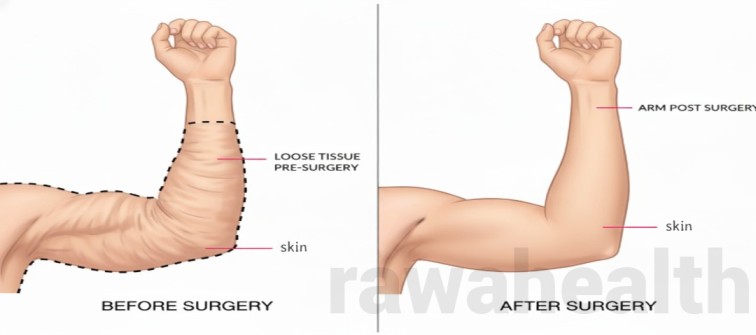
Brachioplasty, commonly known as Arm Lift Surgery, is a cosmetic surgical procedure designed to remove excess skin and fat from the upper arms. With age, significant weight loss, or decreased skin elasticity, the upper arm area can develop sagging or loose skin — often referred to as “bat wings.”
This procedure tightens, reshapes, and contours the arms, creating a firmer and more youthful appearance. It’s one of the most popular body contouring surgeries among people who have undergone major weight reduction.
What is Brachioplasty?
Brachioplasty is a procedure that improves the shape of the upper arms by removing excess skin and fat between the armpit and elbow. The remaining skin is then repositioned to create a smoother contour.
It’s not just about cosmetic improvement — it can also restore comfort and confidence, especially for those who experience chafing or irritation from hanging skin.
Why Do People Choose Brachioplasty?
Loose and hanging upper arm skin, often called “bat wings,” can make individuals feel self-conscious, especially when wearing sleeveless clothing. Many people undergo brachioplasty to:
- Improve arm shape and contour.
- Boost self-confidence and comfort.
- Get rid of excess skin after massive weight loss.
- Correct aging-related skin laxity.
- Enhance symmetry between both arms.
This procedure helps restore natural-looking proportions, giving the arms a youthful and firm appearance.
Types of Brachioplasty
There are several variations of brachioplasty depending on how much tissue needs removal and the patient’s body type. The surgeon selects the most suitable technique after assessing the patient’s skin elasticity and fat distribution.
1. Mini Brachioplasty
- Ideal for people with mild sagging and minimal excess skin near the armpit.
- The incision is small and hidden in the underarm crease.
- Recovery is faster, and scarring is minimal.
2. Standard (Traditional) Brachioplasty
- Suitable for moderate to severe arm sagging.
- The incision runs from the armpit to the elbow along the inner side of the arm.
- It removes a larger amount of skin and fat to achieve a well-contoured result.
3. Extended Brachioplasty
- Used for individuals with significant excess skin extending to the chest wall.
- The incision continues from the inner arm to the side of the chest.
- Often recommended after major weight loss surgeries.
4. Liposuction-Assisted Brachioplasty
- Combines liposuction with arm lift surgery.
- Helps sculpt the arms more precisely by removing localized fat before tightening the skin.
- Best suited for patients with good skin tone but stubborn fat pockets.
Who is an Ideal Candidate for Brachioplasty?
Not everyone is an immediate candidate for this procedure. Ideal candidates include:
- Adults with stable weight and good overall health.
- Individuals who have excess sagging skin due to aging or weight loss.
- Non-smokers or those willing to stop smoking before and after surgery.
- Patients with realistic expectations about the outcome.
- People who have not responded well to diet or exercise alone.
It’s important to undergo a thorough consultation with a certified plastic surgeon to ensure you are fit for the procedure.
Preparation Before Surgery
Preparing for brachioplasty involves several steps to ensure safety and optimal results.
Before the operation:
- You’ll undergo a detailed medical evaluation, including blood tests.
- Your surgeon will review your medical history, allergies, and current medications.
- You may be asked to stop smoking and avoid certain medications like aspirin or anti-inflammatory drugs to reduce bleeding risk.
- The surgeon will mark incision areas and discuss the expected scar placement.
It’s also advisable to arrange someone to assist you at home for the first few days after surgery.
Procedure: What Happens During Brachioplasty
Brachioplasty usually takes 2–3 hours and is performed under general anesthesia or local anesthesia with sedation.
Here’s how the process works step-by-step:
- 1. Anesthesia Administration
You’ll receive anesthesia to keep you comfortable and pain-free throughout the surgery. - 2. Incision Placement
The surgeon makes incisions along the inner or back part of the arm, depending on the type of brachioplasty. The length and pattern depend on the amount and location of excess skin. - 3. Removal of Excess Fat and Skin
The surgeon removes excess tissue and fat using surgical excision and, if needed, liposuction. - 4. Tightening of Underlying Tissues
The remaining skin is pulled tight, and internal sutures help create a smoother contour. - 5. Closing the Incision
The surgeon closes the incisions with sutures or surgical adhesives. The arm is then wrapped with a compression garment to reduce swelling.
After the Surgery
After brachioplasty, patients are moved to a recovery room for monitoring. You might experience mild discomfort, tightness, or bruising — all of which subside gradually.
Postoperative care includes:
- Wearing a compression garment for 3–4 weeks to support healing.
- Taking prescribed antibiotics and pain relievers.
- Avoiding heavy lifting and strenuous exercise for at least 4–6 weeks.
- Keeping the incision clean and dry to prevent infection.
Your surgeon will schedule follow-up visits to monitor progress and remove stitches if required.
Recovery Process
Recovery time varies depending on the technique used and individual healing speed. Most people can:
- Resume light activities after 7–10 days.
- Return to office work within 2–3 weeks.
- Start exercise or gym routines after 6 weeks (only after doctor’s approval).
It’s essential to follow the surgeon’s instructions carefully to achieve the best outcome. Proper rest, nutrition, and hydration also play a vital role in smooth recovery.
Possible Risks and Complications
Like all surgeries, brachioplasty has certain risks. Although complications are rare, patients should be aware of potential issues such as:
- Bleeding or hematoma.
- Infection at the incision site.
- Temporary numbness or tingling.
- Scarring (though it fades over time).
- Fluid buildup (seroma).
- Asymmetry between arms.
Choosing an experienced, board-certified plastic surgeon significantly reduces these risks.
Results and Longevity
Results from brachioplasty are immediate and long-lasting. After recovery, patients notice firmer, smoother, and more defined upper arms.
However, to maintain results, it’s important to:
- Keep a stable weight.
- Follow a balanced diet.
- Exercise regularly.
- Avoid smoking or alcohol overuse.
With proper care, the results of brachioplasty can last for 10–15 years or even longer.
Cost of Brachioplasty (Arm Lift Surgery)
| Type of Brachioplasty | Average Cost (USD) |
|---|---|
| Mini Brachioplasty | $2,000 – $2,800 |
| Standard Brachioplasty | $3,000 – $4,000 |
| Extended Brachioplasty | $3,500 – $4,500 |
| Liposuction-Assisted Brachioplasty | $3,200 – $4,200 |
Conclusion
In summary, brachioplasty is an excellent option for anyone struggling with sagging upper arms due to aging or massive weight loss. It enhances the arm’s shape, restores self-confidence, and delivers a youthful look. With advanced techniques like liposuction-assisted arm lift and minimal incision surgery, results are more natural and long-lasting than ever before.
Whether you want to regain arm firmness or improve overall body proportion, brachioplasty offers a safe and effective path toward achieving toned, attractive arms.
Our Step-by-Step Process – How We Work
- Initial Consultation: Understand medical history, concerns, and goals for personalized guidance.
- Personalized Treatment Plan: Customized plan with recommended treatment, costs, and timeline.
- Travel & Preparation: Visa, airport transfers, accommodation, and language support.
- Scheduling & Procedure: Treatment at top hospitals with experienced doctors using advanced technology.
- Aftercare & Follow-Up: Nursing care, follow-ups, and continuous support for smooth recovery.
Why Patients Choose India for Medical Treatment
- Expert Doctors & Specialists: Highly skilled, internationally trained doctors handle advanced procedures and complex surgeries.
- State-of-the-Art Hospitals: Modern hospitals with latest technology and international accreditations ensure world-class treatment.
- Affordable Costs: Medical care in India is 60%–70% cheaper than in Western countries without compromising quality.
- Quick Access: Minimal waiting times allow patients to get treated promptly.
- End-to-End Support: Visa, airport transfers, accommodation, language translation, and post-treatment follow-up provided.
- High Success Rates: Proven track record in surgeries, transplants, and advanced treatments.
- Personalized Care: Individual attention ensures a smooth, safe, and comfortable medical journey.
Get Started with Rawa Health Services
- If you’re considering treatment in India, Rawa Health Services will guide you every step of the way:
- ✅ Free Pre-Surgery Consultation
✅ Doctor & Hospital Appointment
✅ Visa & Travel Assistance
✅ Airport Pickup & Accommodation
✅ Post-Treatment Support
✅ Multilingual Translators for Your Native Language - 📞 Call/WhatsApp: +91-9990978550
📧 Email: rawahealthservices@gmail.com