Mastopexy Breast Lift (Boob Lift) – Overview
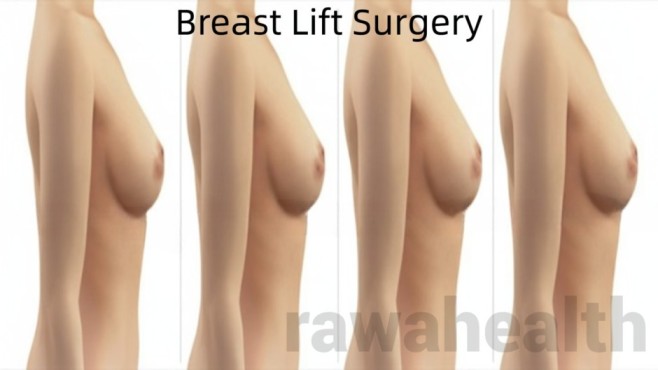
Boob Lift, breasts may lose elasticity and begin to sag over time due to aging, pregnancy, breastfeeding, weight fluctuations, or genetics. A breast lift, medically known as mastopexy, is a surgical procedure designed to lift, reshape, and tighten the breasts. It helps restore a more youthful appearance, enhances symmetry, and corrects imperfections. Many women also combine breast lift with breast augmentation or reduction to achieve desired size and shape. While results are often visible immediately, patients should be aware of the potential risks and recovery process associated with this surgery.
Why Do People Opt for a Boob Lift
Breast sagging, also known as ptosis, occurs naturally as skin and breast tissues lose elasticity over time. Factors contributing to breast sagging include:
- Aging: Natural loss of skin elasticity and firmness.
- Pregnancy: Hormonal changes and breast enlargement can stretch supporting ligaments.
- Breastfeeding: Although breastfeeding doesn’t directly cause sagging, changes in volume may contribute.
- Weight Changes: Significant gain or loss can stretch breast skin and affect shape.
- Gravity: Over time, the pull of gravity can elongate breast ligaments.
- Genetics: Family history often determines natural breast shape and susceptibility to sagging.
- A breast lift not only lifts and tightens sagging breasts but also addresses aesthetic concerns such as:
- Downward-facing areolas.
- Nipples pointing in different directions.
- Uneven or asymmetrical breasts.
Will a Boob Lift Change Breast Size?
A standard breast lift focuses on reshaping and lifting the breasts without significantly changing size. However, many patients combine the procedure with:
- Breast Augmentation: To increase breast size using implants.
- Breast Reduction: To reduce breast volume for comfort and proportional aesthetics.
Treatment Details
Consultation and Preparation
Before undergoing a breast lift, you will have a thorough consultation with a board-certified plastic surgeon. This includes:
- Discussing your goals and desired breast appearance.
- Reviewing your medical history, including prior surgeries, allergies, and medications.
- Understanding any family history of breast cancer.
- Examining and measuring your breasts.
- Taking photographs for preoperative records.
- Discussing anesthesia options and potential risks.
You may be advised to:
- Stop smoking to enhance healing.
- Avoid certain medications like aspirin or anti-inflammatory drugs.
- Get blood tests and a baseline mammogram.
- Arrange for assistance during initial recovery at home.
Procedure Overview
A breast lift typically takes 2–3 hours and surgeons perform it in a surgical center or hospital. The steps include:
- Anesthesia: The anesthesiologist administers anesthesia to ensure you remain comfortable and pain-free during the surgery.
- Incisions: The surgeon makes incisions based on your breast size, shape, and degree of sagging.
- Tissue Reshaping: The surgeon removes excess skin and lifts and reshapes the underlying breast tissue.
- Nipple and Areola Adjustment: The surgeon repositions the nipples and areolas higher on your chest and reduces the areola size if necessary.
- Closing Incisions: The surgeon closes the incisions using sutures, surgical tape, or adhesives.
- Post-Surgical Support: The medical team applies bandages or a surgical bra to support your healing breasts.
Types of Incisions
- Crescent: Half-circle along the top of the areola, usually for minor lifts.
- Donut (Periareolar): Circles the entire areola, commonly for moderate lifts.
- Vertical or Lollipop: Around the areola and vertically down to the breast crease.
- Inverted T or Anchor: Combines areolar, vertical, and horizontal incisions for significant sagging or concurrent reduction.
Scarring
Scars depend on the incision type and usually fade over time. Most scars are strategically placed to be hidden by natural contours of the breast or undergarments. Proper post-surgical care can minimize visible scarring.
Recovery and Post-Operative Care
Recovery varies but generally includes:
- Swelling, bruising, and mild discomfort for 1–2 weeks.
- Pain management through prescribed medications.
- Limited arm movement and avoiding lifting for a few weeks.
- Wearing a surgical support bra for several weeks.
- Avoiding strenuous activities and sexual activity until cleared by your surgeon.
- Regular follow-up visits to monitor healing and remove any drainage tubes or sutures if necessary.
Patients often resume light work within a week, while full return to vigorous activity may take up to 6 weeks. Most women can wear regular bras after about 8 weeks.
Risks and Complications
As with any surgery, breast lift carries certain risks:
- Breast asymmetry.
- Changes in nipple or breast sensation, sometimes permanent.
- Scarring or delayed wound healing.
- Infection or bleeding.
- Adverse reaction to anesthesia.
- Loss of nipple or areola in rare cases.
- Difficulty breastfeeding post-surgery.
Understanding these risks helps ensure realistic expectations and safer outcomes.
Results
Immediate results are usually visible, with firmer, lifted, and more youthful breasts. Final shape settles over months as swelling decreases and scars mature. Results are long-lasting but can be affected by:
- Aging.
- Future pregnancies.
- Weight fluctuations.
Maintaining a stable weight and healthy lifestyle can help prolong the effects of the surgery.
Boob Lift Surgery Cost Comparison: India vs Other Countries
Boob lift surgery in India is highly popular due to its affordability and excellent quality of care. The procedure typically costs between $2,000 and $5,500 USD. Indian surgeons are skilled, using advanced techniques and modern facilities, making it a cost-effective and reliable option for achieving natural, youthful breast contours.
| Country | Average Cost (USD) |
|---|---|
| India | $2,000 – $5,500 |
| USA | $6,000 – $12,000 |
| UK | $5,500 – $11,000 |
| Australia | $6,500 – $12,500 |
Our Step-by-Step Process – How We Work
- Initial Consultation: Understand medical history, concerns, and goals for personalized guidance.
- Personalized Treatment Plan: Customized plan with recommended treatment, costs, and timeline.
- Travel & Preparation: Visa, airport transfers, accommodation, and language support.
- Scheduling & Procedure: Treatment at top hospitals with experienced doctors using advanced technology.
- Aftercare & Follow-Up: Nursing care, follow-ups, and continuous support for smooth recovery.
Why Patients Choose India for Medical Treatment
- Expert Doctors & Specialists: Highly skilled, internationally trained doctors handle advanced procedures and complex surgeries.
- State-of-the-Art Hospitals: Modern hospitals with latest technology and international accreditations ensure world-class treatment.
- Affordable Costs: Medical care in India is 30%–70% cheaper than in Western countries without compromising quality.
- Quick Access: Minimal waiting times allow patients to get treated promptly.
- End-to-End Support: Visa, airport transfers, accommodation, language translation, and post-treatment follow-up provided.
- High Success Rates: Proven track record in surgeries, transplants, and advanced treatments.
- Personalized Care: Individual attention ensures a smooth, safe, and comfortable medical journey.
Get Started with Rawa Health Services
- If you’re considering treatment in India, Rawa Health Services will guide you every step of the way:
- ✅ Free Pre-Surgery Consultation
✅ Doctor & Hospital Appointment
✅ Visa & Travel Assistance
✅ Airport Pickup & Accommodation
✅ Post-Treatment Support
✅ Multilingual Translators for Your Native Language - 📞 Call/WhatsApp: +91-9990978550
📧 Email: rawahealthservices@gmail.com