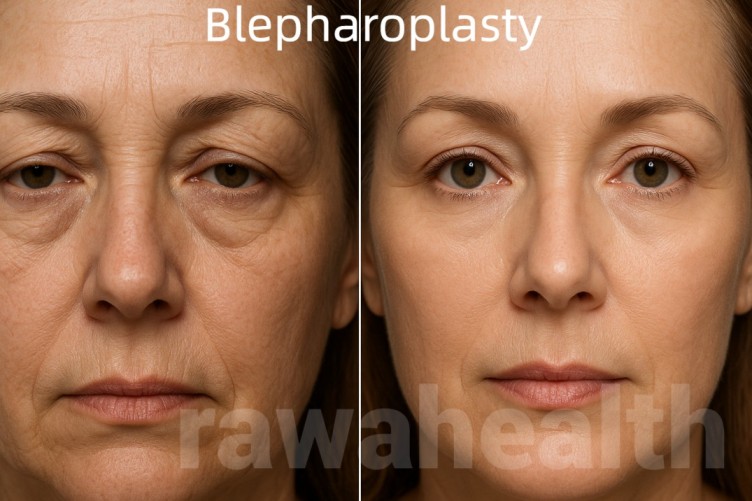
Blepharoplasty (Eyelid Surgery)
Blepharoplasty (Eyelid Surgery) is a surgical procedure designed to enhance the appearance and function of the eyelids. This procedure targets excess skin, fat deposits, and sagging tissues around the eyes, helping patients achieve a youthful, refreshed look while sometimes improving their field of vision.
As the skin ages, it naturally loses elasticity. Combined with gravity, this can lead to drooping upper eyelids, puffy lower eyelids, and under-eye bags. Blepharoplasty (Eyelid Surgery) can address these concerns, allowing patients to look more alert and rejuvenated. The procedure can be performed on the upper eyelids, lower eyelids, or both, depending on individual needs.
This procedure is not only cosmetic but can also be medically necessary if sagging eyelids interfere with vision. It has gained worldwide popularity due to its minimal invasiveness, long-lasting results, and high patient satisfaction.
Understanding Blepharoplasty (Eyelid Surgery)
What is Blepharoplasty?
Blepharoplasty (Eyelid Surgery) involves the removal or repositioning of excess skin, fat, and sometimes muscle around the eyes.
- Upper Eyelid Blepharoplasty: Removes excess skin and fat from the upper eyelid to reduce droopiness.
- Lower Eyelid Blepharoplasty: Reduces puffiness and removes fat deposits or excess skin under the eyes.
While primarily cosmetic, Blepharoplasty (Eyelid Surgery) can improve vision in individuals with severely sagging upper eyelids. However, it does not remove wrinkles, dark circles, or crow’s feet. For these issues, additional procedures such as laser resurfacing, dermal fillers, or fat grafting may be recommended.
Benefits of Blepharoplasty (Eyelid Surgery)
- Improved appearance: Reduces tired-looking eyes and sagging skin.
- Enhanced self-confidence: A refreshed look boosts self-esteem.
- Better vision: Upper eyelid surgery can correct vision obstruction caused by sagging skin.
- Long-lasting results: Upper eyelid improvements can last 5–7 years or more; lower eyelid results are typically permanent.
- Combination with other procedures: Can be combined with brow lifts, facelifts, or laser treatments for comprehensive facial rejuvenation.
Who is a Candidate for Blepharoplasty (Eyelid Surgery)?
Ideal candidates include:
- Adults over 30 years (though surgery is possible for adults over 18 if needed)
- Healthy individuals without serious eye conditions
- Non-smokers or those willing to quit temporarily before and after surgery
- Individuals with realistic expectations of surgical outcomes
Medical Considerations
Certain conditions may impact eligibility:
- Eye disorders: Glaucoma, dry eyes, detached retina
- Thyroid conditions: Hyperthyroidism, hypothyroidism, Graves’ disease
- Cardiovascular issues: High blood pressure, heart disease
Diabetes or autoimmune disorders
Patients should discuss these in detail with a board-certified ophthalmologist or oculoplastic surgeon before surgery.
Preparing for Blepharoplasty (Eyelid Surgery)
Pre-Surgery Consultation
Before surgery, the surgeon will:
- Discuss aesthetic goals
- Review medical history and medications
- Assess facial structure and eyelid anatomy
- Decide whether upper, lower, or both eyelids require surgery
Pre-Operative Instructions
- Quit smoking for better healing
- Avoid blood-thinning medications and supplements
- Arrange a trusted companion to accompany and stay with you after surgery
- Complete any required lab or medical tests
The Blepharoplasty (Eyelid Surgery) Procedure
Upper Eyelid Surgery
- Incisions are made along the natural crease of the upper eyelid to minimize visible scars.
- Excess skin, muscle, and fat are removed or repositioned.
- Incisions are closed with fine sutures, usually removed after a week.
Lower Eyelid Surgery
- Incision below the lash line to remove excess skin
- Transconjunctival incision inside the eyelid for fat repositioning or removal
- Fat adjustment for smooth under-eye contour
Duration
- Upper eyelids: 45–60 minutes
- Lower eyelids: 45–60 minutes
- Both eyelids: 1.5–2 hours depending on additional procedures
Risks and Complications
Potential risks of Blepharoplasty (Eyelid Surgery) include:
- Bleeding or hematoma
- Infection
- Dry eyes or excessive tearing
- Scarring or abnormal eyelid folding
- Difficulty closing the eyes fully
- Eyelid asymmetry or pulled-down lower lid
- Rare vision changes
Most complications are rare and preventable with proper care.
Recovery and Aftercare
Immediate Post-Surgery Care
- Swelling, bruising, and mild discomfort are normal.
- Use cold compresses to reduce swelling.
- Apply prescribed antibiotic ointment or eye drops.
- Avoid strenuous activity and limit screen time.
Recovery Timeline
- Days 1–3: Swelling and bruising, slight discomfort.
- Days 4–7: Upper eyelid sutures removed; bruising begins to fade.
- Days 10–14: Most swelling resolves; social activity can resume.
- Weeks 3–4: Incision lines fade; residual swelling decreases.
- Months 2–3: Complete healing; final results visible.
Long-Term Care
- Use sunscreen and wear sunglasses to protect eyelids.
- Maintain hydration and a balanced diet.
- Avoid smoking and alcohol to support healing.
Cost of Blepharoplasty (Eyelid Surgery) in India
| Procedure | Approx. Cost (USD) |
|---|---|
| Upper eyelid | $800 – $2,000 |
| Lower eyelid | $1,000 – $2,500 |
| Both eyelids | $1,500 – $4,000 |
| Additional procedures | $500 – $2,000 |
Patients can save 50–70% compared to Western countries while receiving high-quality care.
Conclusion
Blepharoplasty (Eyelid Surgery) is a safe, effective, and long-lasting procedure for improving eye aesthetics and, in some cases, vision.
With a qualified surgeon, proper preparation, and post-operative care, patients achieve natural-looking, youthful results. India provides affordable costs, skilled surgeons, and modern facilities, making it a top choice for international patients seeking cosmetic and functional eyelid surgery.
Why Patients Choose India for Medical Treatment
- Expert Doctors & Specialists: Highly skilled, internationally trained doctors handle advanced procedures and complex surgeries.
- State-of-the-Art Hospitals: Modern hospitals with latest technology and international accreditations ensure world-class treatment.
- Affordable Costs: Medical care in India is 30%–70% cheaper than in Western countries without compromising quality.
- Quick Access: Minimal waiting times allow patients to get treated promptly.
- End-to-End Support: Visa, airport transfers, accommodation, language translation, and post-treatment follow-up provided.
- High Success Rates: Proven track record in surgeries, transplants, and advanced treatments.
- Personalized Care: Individual attention ensures a smooth, safe, and comfortable medical journey.
Get Started with Rawa Health Services
- If you’re considering treatment in India, Rawa Health Services will guide you every step of the way:
- ✅ Free Pre-Surgery Consultation
✅ Doctor & Hospital Appointment
✅ Visa & Travel Assistance
✅ Airport Pickup & Accommodation
✅ Post-Treatment Support
✅ Multilingual Translators for Your Native Language - 📞 Call/WhatsApp: +91-9990978550
📧 Email: rawahealthservices@gmail.com