Bariatric Surgery – Transform Your Life with Safe Weight Loss
A Comprehensive Guide to Weight Loss Surgery
Bariatric surgery, commonly known as weight loss surgery, has emerged as one of the most effective medical interventions for individuals suffering from severe obesity. Unlike traditional methods of weight reduction, such as diet modification and exercise, bariatric procedures provide long-term results for people whose health is significantly impacted by excess body weight.
These surgeries not only help individuals lose weight but also improve overall metabolic health, including better control of blood sugar, cholesterol, and blood pressure levels. Obesity is a global health challenge, with increasing numbers of people facing complications due to excessive body weight. For many individuals, conventional methods like strict dieting, exercise programs, and medications fail to provide sustainable results.
Bariatric surgery is often recommended when obesity poses significant health risks and other approaches have proven ineffective. This guide explores the various types of bariatric surgeries, their benefits, risks, post-operative care, expected outcomes, and the preparation required to undergo these procedures. It is designed to provide a thorough understanding for anyone considering this life-changing surgery.
What is Bariatric Surgery?
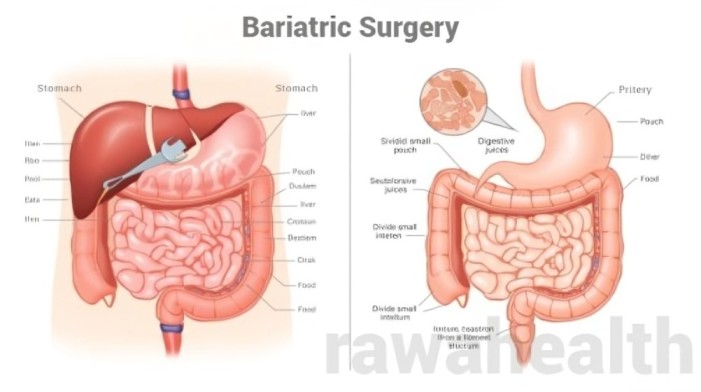
Bariatric surgery refers to a group of surgical procedures designed to assist individuals in losing weight by altering the digestive system. The primary goal is to reduce the body’s ability to consume or absorb calories effectively. Most procedures involve modifications to the stomach, and in some cases, the small intestine.
Beyond reducing stomach capacity, many bariatric procedures influence hunger hormones and the body’s metabolic functions. Hormonal changes help control appetite, leading to reduced food intake and healthier eating patterns. Consequently, bariatric surgery promotes weight loss and assists in managing obesity-related health conditions such as type 2 diabetes, fatty liver disease, high blood pressure, and cardiovascular disorders.
It is essential to understand that bariatric surgery is not a “quick fix.” Successful outcomes require commitment to long-term lifestyle changes, including regular physical activity and a balanced diet.
Why Bariatric Surgery is Performed
Bariatric surgery is typically recommended for individuals with severe obesity who have struggled to achieve sustained weight loss through non-surgical methods. Candidates generally include:
- Adults with a Body Mass Index (BMI) of 40 or higher.
- Adults with a BMI of 35–39.9 accompanied by obesity-related health problems.
Obesity is associated with a variety of chronic diseases, including type 2 diabetes, cardiovascular disease, sleep apnea, osteoarthritis, fatty liver disease, and certain cancers. When left untreated, these conditions can significantly reduce life expectancy and quality of life. Bariatric surgery provides a path to reducing these health risks by enabling substantial weight loss, improving metabolism, and promoting healthier lifestyle habits.
The surgery works by physically altering the digestive system to limit calorie intake and, in some procedures, reduce nutrient absorption. By doing so, it creates a physiological environment that makes long-term weight loss achievable.
Medical Conditions Treated by Bariatric Surgery
Bariatric surgery can prevent and treat several obesity-related health conditions:
- Type 2 Diabetes: Improves insulin sensitivity and may lead to diabetes remission.
- High Blood Pressure: Weight loss reduces cardiovascular strain and hypertension.
- High Cholesterol: Normalizes cholesterol levels, reducing heart attack and stroke risks.
- Heart Disease: Improves heart function and prevents plaque buildup in arteries.
- Obstructive Sleep Apnea: Reduces airway blockages, improving sleep quality.
- Kidney Disease: Slows progression of obesity-related renal damage.
- Fatty Liver Disease: Reduces liver fat and inflammation.
- Joint Problems: Lessens stress on joints and slows osteoarthritis progression.
- Cancer Risk: Reduces obesity-related cancer risks.
Eligibility Criteria for Bariatric Surgery
Candidates typically meet the following:
- Adults: BMI ≥ 40 or BMI 35–39.9 with at least one obesity-related condition.
- Adolescents: BMI ≥ 40 with related medical condition, or BMI 35–39.9 with severe obesity-related complication.
Candidates must undergo comprehensive medical evaluations, including physical, metabolic, and psychological assessments. Lifestyle modifications such as quitting smoking or limiting alcohol consumption may be required before surgery.
Common Misconceptions About Bariatric Surgery
- It’s a Last Resort: Surgery is not a failure option; it is the most effective long-term treatment for severe obesity.
- It’s an Easy Solution: Surgery is a tool. Success requires commitment to diet, exercise, and behavioral changes.
Types of Bariatric Surgery
1. Gastric Sleeve (Sleeve Gastrectomy)
Gastric sleeve is the most commonly performed bariatric surgery. Approximately 80% of the stomach is removed, leaving a narrow tubular sleeve. This smaller stomach helps patients feel full faster, naturally limiting food intake.
The procedure also reduces hunger hormones, particularly ghrelin, controlling appetite and improving metabolism and blood sugar regulation. Gastric sleeve is relatively simple and safe, with lower risk of complications and faster recovery, especially when performed laparoscopically.
2. Gastric Bypass (Roux-en-Y)
Gastric bypass modifies both the stomach and small intestine. A small stomach pouch is created, and a portion of the small intestine is bypassed, reducing calorie absorption. This procedure provides both restriction (smaller stomach) and malabsorption (reduced nutrient uptake), making it highly effective for sustained weight loss and metabolic improvements.
3. Biliopancreatic Diversion with Duodenal Switch (BPD-DS)
BPD-DS combines sleeve gastrectomy with significant intestinal bypass (≈75% of small intestine). It is highly effective for weight loss and metabolic disorders like diabetes. However, it carries higher risk of nutritional deficiencies, requiring long-term supplementation and monitoring.
4. Stomach Intestinal Pylorus-Sparing Surgery (SIPS / SADI-S)
SIPS/SADI-S is a modified duodenal switch designed to reduce complications. It involves sleeve gastrectomy with a single intestinal connection, improving nutrient absorption compared to BPD-DS while maintaining weight loss effectiveness. Early results are promising, though long-term data is still emerging.
Preoperative Preparation
Before surgery, patients undergo thorough evaluations, including:
- Medical tests and physical exams
- Mental health assessment
- Lifestyle modifications: quitting smoking, limiting alcohol, following pre-op diet, and starting light physical activity
The goal is to reduce surgical risk and ensure smoother recovery.
Surgical Procedure
Most bariatric surgeries today are performed laparoscopically using small incisions and specialized instruments, reducing pain, scarring, and recovery time. Rarely, open surgery is necessary. Surgeries typically last several hours, followed by monitoring in the recovery room. Hospital stays usually last 2–5 days depending on the procedure and patient health.
Postoperative Care
Post-surgery care involves diet modification, monitoring, and gradual physical activity:
- Initial 1–2 days: no food intake
- Liquid diet → pureed → soft foods → regular foods
- Regular follow-ups to monitor metabolic health and nutritional deficiencies
- Long-term vitamin and mineral supplements, especially for malabsorptive surgeries
- Gradual introduction of physical activity; excess skin removal or body contouring may be considered after major weight loss
Gastric Sleeve Surgery Cost in India
| City | Cost Range (USD) |
|---|---|
| Delhi | $3,000 – $5,000 |
| Mumbai | $3,800 – $7,500 |
| Chennai | $3,200 – $6,500 |
| Bangalore | $3,400 – $6,700 |
| Hyderabad | $3,000 – $6,000 |
| Jaipur | $3,500 – $6,000 |
Cost Comparison: India vs. Other Countries
| Country | Cost Range (USD) |
|---|---|
| India | $3,500 – $6,000 |
| United States | $17,000 – $26,000 |
| United Kingdom | $10,900 – $20,500 |
Risks and Complication
Surgical Risks:
- Excessive bleeding
- Infection
- Blood clots
- Hernias
- Small bowel obstruction
- Anastomotic leaks
Digestive Complications:
- Dumping syndrome (nausea, diarrhea, abdominal cramps)
- Malabsorption and nutritional deficiencies
- Bile reflux and gastritis
- Gallstones (from rapid weight loss)
Healthcare providers educate patients on risks and prescribe preventive supplements.
Benefits of Bariatric Surgery
- Sustained weight loss and improved metabolic health
- Appetite reduction and hormonal regulation
- Better control of diabetes, cholesterol, and blood pressure
- Reduced risk of obesity-related diseases, including heart disease and certain cancers
- Improved mobility, joint health, sleep quality, and overall quality of life
- Long-term survival benefit; studies show over 40% reduction in mortality risk
Recovery After Bariatric Surgery
Recovery is a crucial phase as the body adjusts to its new digestive structure.
Hospital Recovery:
- Vital signs monitored immediately post-surgery
- Pain management for laparoscopic vs. open surgery
- IV fluids and medications provided for 1–2 days
Home Recovery:
- Avoid strenuous activity initially
- Light walking encouraged for circulation and healing
- Gradual diet progression: liquids → pureed → soft → regular
- Nutritional supplements (multivitamins, calcium, iron, B12)
- Gradual reintroduction of exercise under medical guidance
Long-Term Lifestyle Changes
Dietary Habits:
- Portion control and balanced diet
- Protein-rich foods for muscle maintenance
- Avoid high-sugar, high-fat, processed foods
- Stay hydrated, avoid excessive fluids with meals
Exercise:
- Daily routine including aerobic, strength, and flexibility exercises
- Maintains weight loss and enhances metabolic health
Psychological Support:
- Counseling and support groups for eating behavior and body image
- Stress management and mindfulness practices
Expected Weight Loss and Health Benefits
Average Weight Loss:
- Gastric Sleeve: 30–80% of excess weight
- Gastric Bypass: ~70% of excess weight
- Duodenal Switch: ~80% of excess weight
- Significant weight loss typically occurs within 18–24 months
Health Improvements:
- Diabetes control or remission
- Reduced blood pressure and cholesterol
- Improved heart function
- Resolution of sleep apnea
- Reduced joint pain and improved mobility
- Enhanced quality of life and psychological well-being
Our Step-by-Step Process – How We Work
- Initial Consultation: Understand medical history, concerns, and goals for personalized guidance.
- Personalized Treatment Plan: Customized plan with recommended treatment, costs, and timeline.
- Travel & Preparation: Visa, airport transfers, accommodation, and language support.
- Scheduling & Procedure: Treatment at top hospitals with experienced doctors using advanced technology.
- Aftercare & Follow-Up: Nursing care, follow-ups, and continuous support for smooth recovery.
Why Patients Choose India for Medical Treatment
- Expert Doctors & Specialists: Highly skilled, internationally trained doctors handle advanced procedures and complex surgeries.
- State-of-the-Art Hospitals: Modern hospitals with latest technology and international accreditations ensure world-class treatment.
- Affordable Costs: Medical care in India is 30%–70% cheaper than in Western countries without compromising quality.
- Quick Access: Minimal waiting times allow patients to get treated promptly.
- End-to-End Support: Visa, airport transfers, accommodation, language translation, and post-treatment follow-up provided.
- High Success Rates: Proven track record in surgeries, transplants, and advanced treatments.
- Personalized Care: Individual attention ensures a smooth, safe, and comfortable medical journey.
Get Started with Rawa Health Services
- If you’re considering treatment in India, Rawa Health Services will guide you every step of the way:
- ✅ Free Pre-Surgery Consultation
✅ Doctor & Hospital Appointment
✅ Visa & Travel Assistance
✅ Airport Pickup & Accommodation
✅ Post-Treatment Support
✅ Multilingual Translators for Your Native Language - 📞 Call/WhatsApp: +91-9990978550
📧 Email: rawahealthservices@gmail.com