Arthroscopic Knee Surgery – Complete Overview
Arthroscopic knee surgery is a minimally invasive orthopedic procedure used to diagnose and treat various knee joint problems. Instead of making a large incision, surgeons use a small camera called an arthroscope and specialized instruments to repair damaged structures inside the knee. Because of its precision and faster recovery, arthroscopic knee surgery has become one of the most commonly performed joint procedures worldwide.
This detailed guide explains what arthroscopic knee surgery is, who needs it, conditions treated, step-by-step procedure, recovery, benefits, risks, and expected outcomes.
What Is Arthroscopic Knee Surgery?
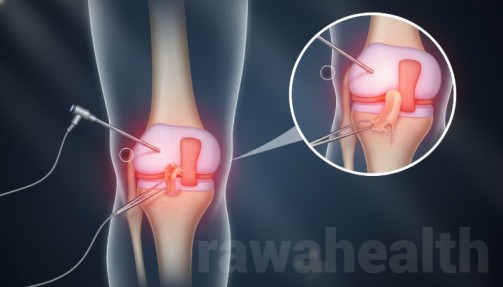
Arthroscopic knee surgery is a procedure in which an orthopedic surgeon inserts a thin camera (arthroscope) into the knee joint through small incisions. The camera displays high-resolution images on a monitor, allowing the surgeon to see inside the joint clearly. Using tiny surgical tools, the surgeon repairs or removes damaged tissue.
Unlike open knee surgery, arthroscopy causes minimal tissue damage. As a result, patients experience less pain, smaller scars, and quicker recovery.
Why Is Arthroscopic Knee Surgery Needed?
Doctors recommend arthroscopic surgery when knee pain or dysfunction does not improve with medications, physiotherapy, or injections. The procedure helps both diagnose and treat internal knee problems accurately.
Common reasons include:
- Persistent knee pain or swelling
- Knee locking or catching sensation
- Limited range of motion
- Sports-related knee injuries
- Failed conservative treatment
By directly addressing the underlying issue, arthroscopy often restores knee function effectively.
Conditions Treated with Arthroscopic Knee Surgery
Arthroscopic knee surgery treats a wide range of conditions, including:
- Meniscus tear
- Anterior cruciate ligament (ACL) injury
- Posterior cruciate ligament (PCL) injury
- Cartilage damage (chondral defects)
- Loose bone or cartilage fragments
- Synovitis (inflamed joint lining)
- Patellar tracking disorders
- Early-stage osteoarthritis (selected cases)
Because the approach is precise, surgeons can target the problem without disturbing healthy tissues.
Types of Arthroscopic Knee Procedures
Meniscus Repair or Meniscectomy
- Surgeons either repair the torn meniscus or remove the damaged portion to relieve pain and improve movement.
ACL Reconstruction
- In this procedure, surgeons replace the torn ligament using a graft from the patient or a donor.
Cartilage Repair Surgery
- Techniques such as microfracture or cartilage trimming help restore smoother joint surfaces.
Synovectomy
- Surgeons remove inflamed synovial tissue to reduce pain and swelling.
Loose Body Removal
- Free-floating fragments inside the knee joint are removed to prevent locking and discomfort.
Pre-Surgery Evaluation and Preparation
Before knee surgery, doctors perform a thorough assessment:
- Physical examination of the knee
- MRI or X-ray imaging
- Blood tests
- Medical fitness evaluation
Patients receive instructions regarding fasting, medications, and activity restrictions. Proper preparation helps ensure a smooth surgical experience.
Step-by-Step Arthroscopic Knee Surgery Procedure
Arthroscopic surgery usually takes 30 minutes to 1.5 hours and is performed under regional or general anesthesia.
1. Anesthesia and Positioning
- The surgeon administers anesthesia and positions the knee for easy access.
2. Creating Small Incisions
- The surgeon makes 2–3 tiny incisions around the knee.
3. Inserting the Arthroscope
- The arthroscope is inserted, providing a clear view of the joint on a monitor.
4. Repairing the Knee Structures
- Using specialized instruments, the surgeon repairs ligaments, trims cartilage, or removes damaged tissue.
5. Closing the Incisions
- The surgeon removes the instruments and closes the incisions with small stitches or adhesive strips.
- Because incisions are small, blood loss remains minimal.
Recovery After Arthroscopic Knee Surgery
Recovery after knee surgery is generally faster than open surgery. However, healing time depends on the procedure performed.
Immediate Recovery
- Patients usually go home the same day. Mild pain and swelling are common and managed with medications and ice therapy.
First 1–2 Weeks
- Walking with support if needed
- Gradual return to daily activities
- Start physiotherapy exercises
4–6 Weeks
- Improved knee strength and flexibility
- Return to desk work and light activities
3–6 Months
- Full recovery for ligament reconstruction
- Return to sports after medical clearance
Physiotherapy plays a crucial role in successful recovery.
Benefits of Arthroscopic Knee Surgery
Arthroscopic knee surgery offers several advantages:
- Minimally invasive technique
- Smaller scars
- Less postoperative pain
- Faster recovery
- Short hospital stay
- Accurate diagnosis and treatment
- Improved knee function
Because of these benefits, many patients prefer arthroscopy over traditional surgery.
Risks and Complications of Arthroscopic Knee Surgery
Although arthroscopy is safe, some risks exist:
- Infection
- Bleeding
- Blood clots
- Knee stiffness
- Nerve or blood vessel injury (rare)
- Persistent pain or swelling
However, experienced surgeons and proper rehabilitation significantly reduce these risks.
Life After Arthroscopic Knee Surgery
Most patients experience significant improvement in knee pain and mobility after recovery. Regular exercise, weight management, and strengthening programs help maintain long-term knee health.
Patients should avoid high-impact activities initially and follow physiotherapy guidelines strictly. With proper care, results often last many years.
Arthroscopic Knee Surgery Cost in India
| Procedure Type | Cost (USD) |
|---|---|
| Diagnostic Knee Arthroscopy | $1,500 – $2,500 |
| Meniscus Repair / Meniscectomy | $2,000 – $3,500 |
| ACL Reconstruction (Arthroscopic) | $4,000 – $7,000 |
| Cartilage Repair Surgery | $3,500 – $6,000 |
| Synovectomy / Loose Body Removal | $2,500 – $4,000 |
| Complex Arthroscopic Knee Surgery | $5,000 – $8,000 |
Conclusion
Arthroscopic knee surgery is a safe, effective, and minimally invasive solution for many knee joint problems. By allowing precise diagnosis and targeted treatment, the procedure reduces pain, restores mobility, and improves overall knee function. When combined with proper rehabilitation and lifestyle modifications, knee surgery helps patients return to active and pain-free lives with long-lasting results.
Our Step-by-Step Process – How We Work
- Initial Consultation: Understand medical history, concerns, and goals for personalized guidance.
- Personalized Treatment Plan: Customized plan with recommended treatment, costs, and timeline.
- Travel & Preparation: Visa, airport transfers, accommodation, and language support.
- Scheduling & Procedure: Treatment at top hospitals with experienced doctors using advanced technology.
- Aftercare & Follow-Up: Nursing care, follow-ups, and continuous support for smooth recovery.
Why Patients Choose India for Medical Treatment
- Expert Doctors & Specialists: Highly skilled, internationally trained doctors handle advanced procedures and complex surgeries.
- State-of-the-Art Hospitals: Modern hospitals with latest technology and international accreditations ensure world-class treatment.
- Affordable Costs: Medical care in India is 60%–70% cheaper than in Western countries without compromising quality.
- Quick Access: Minimal waiting times allow patients to get treated promptly.
- End-to-End Support: Visa, airport transfers, accommodation, language translation, and post-treatment follow-up provided.
- High Success Rates: Proven track record in surgeries, transplants, and advanced treatments.
- Personalized Care: Individual attention ensures a smooth, safe, and comfortable medical journey.
Get Started with Rawa Health Services
- If you’re considering treatment in India, Rawa Health Services will guide you every step of the way:
- ✅ Free Pre-Surgery Consultation
✅ Doctor & Hospital Appointment
✅ Visa & Travel Assistance
✅ Airport Pickup & Accommodation
✅ Post-Treatment Support
✅ Multilingual Translators for Your Native Language - 📞 Call/WhatsApp: +91-9990978550
📧 Email: rawahealthservices@gmail.com