Ablation Surgery – Procedure, Benefits & Cost in India
Ablation surgery in India has become a widely chosen option for treating various medical conditions by removing or destroying abnormal tissue. Whether addressing irregular heart rhythms, excessive uterine bleeding, or tumors, ablation procedures allow doctors to target the affected area with precision while minimizing damage to surrounding tissues. This guide explains what ablation surgery is, its types, procedures, recovery, benefits, risks, and cost in India.
What is Ablation Surgery?
Ablation surgery is a minimally invasive procedure designed to remove, destroy, or isolate abnormal tissues in the body. Physicians use this method to treat conditions that do not respond to medications or conservative treatments. Ablation achieves its effects by applying heat, cold, chemicals, or laser energy, depending on the specific procedure.
The primary purpose of ablation surgery includes:
- Restoring normal function of affected organs or tissues.
- Reducing symptoms such as pain, bleeding, or arrhythmias.
- Minimizing complications associated with chronic conditions.
In India, ablation surgery offers advanced techniques performed by experienced specialists, often at a fraction of the cost compared to Western countries.
Types of Ablation Surgery
Doctors perform ablation surgery using several approaches depending on the condition being treated. The main types include:
Cardiac Ablation
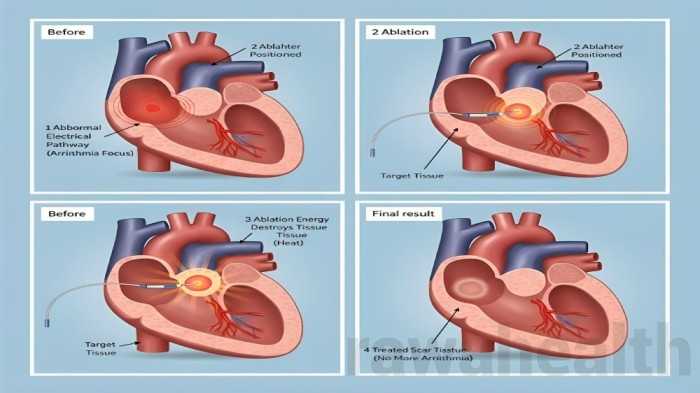
Cardiac ablation treats irregular heart rhythms (arrhythmias) such as atrial fibrillation, atrial flutter, or supraventricular tachycardia.
Purpose:
- Eliminate electrical pathways that cause abnormal heartbeats.
- Restore normal rhythm and prevent complications like stroke or heart failure.
Procedure:
- A cardiologist inserts catheters through blood vessels to reach the heart.
- Using radiofrequency energy or cryotherapy, they destroy tiny areas of heart tissue responsible for irregular impulses.
- The procedure typically lasts 1–3 hours and may require light sedation or general anesthesia.
Benefits:
- Reduces palpitations, dizziness, or fatigue caused by arrhythmia.
- Lowers long-term reliance on medications.
- Offers a minimally invasive alternative to open-heart surgery.
Endometrial Ablation
Endometrial ablation treats excessive or abnormal uterine bleeding, especially when medications fail.
Purpose:
- Remove or destroy the uterine lining to control bleeding.
Procedure:
- A gynecologist inserts a device into the uterus via the vagina.
- Heat, cold, radiofrequency, or microwave energy destroys the endometrial tissue.
- The procedure usually takes 20–60 minutes and may be performed under local, regional, or general anesthesia.
Recovery:
- Patients often return home the same day.
- Mild cramping, spotting, or fatigue is common for a few days.
- Most women experience improved menstrual flow within 1–3 months.
Tumor Ablation
Tumor ablation targets cancerous or benign growths in organs like the liver, kidneys, lungs, or bones.
Methods:
- Radiofrequency Ablation (RFA): Uses high-frequency electrical currents to destroy tumor cells.
- Cryoablation: Applies extreme cold to freeze and eliminate abnormal tissue.
- Chemical Ablation: Injects substances like ethanol to destroy tumors.
- Laser Ablation: Uses concentrated light energy to remove or shrink tumors.
Benefits:
- Minimally invasive, often performed through small incisions.
- Preserves healthy tissue surrounding the tumor.
- Reduces hospital stay and recovery time compared to conventional surgery.
Who is a Candidate for Ablation Surgery?
Physicians recommend ablation surgery for patients who:
- Have conditions resistant to medications or conservative therapies.
- Exhibit recurrent symptoms like irregular heartbeats, heavy bleeding, or tumor growth.
- Maintain general health suitable for anesthesia and surgery.
- Seek a minimally invasive treatment with faster recovery.
Specialists evaluate candidates based on medical history, imaging tests (MRI, CT, or ultrasound), lab reports, and overall health.
How is Ablation Surgery Performed?
While the exact steps depend on the type of ablation, surgeons generally follow these steps:
- Preoperative Assessment: Review medical history, perform blood tests, imaging studies, and evaluate anesthesia risks.
- Anesthesia: Administer local, regional, or general anesthesia as appropriate.
- Access: Insert catheters, probes, or instruments to the target site using small incisions or natural openings.
- Ablation: Apply energy (heat, cold, chemical, or laser) to destroy or remove abnormal tissue.
- Monitoring: Track vital signs and tissue response using imaging guidance or electrophysiological monitoring.
- Closure: Remove instruments, close incisions, and apply dressings.
- Postoperative Care: Observe in a recovery area until the patient stabilizes.
The procedure duration varies from 30 minutes to several hours based on complexity.
Recovery After Ablation Surgery
Recovery depends on the type of ablation and patient health:
- Hospital Stay: Many procedures allow same-day discharge, while more complex cases may require 1–2 days.
- Activity Restrictions: Patients should avoid strenuous activity for 1–2 weeks.
- Medication: Doctors may prescribe pain relievers, antibiotics, or anti-inflammatory drugs.
- Follow-Up: Imaging tests or check-ups monitor healing and treatment effectiveness.
- Full Recovery: Most patients resume normal activities within 1–3 weeks, though some conditions may require longer observation.
Benefits of Ablation Surgery
Ablation surgery provides numerous advantages over conventional treatments:
- Minimally Invasive: Reduces tissue damage, scarring, and hospital stay.
- Precise Treatment: Targets only the abnormal tissue while preserving surrounding structures.
- Faster Recovery: Most patients return to normal life sooner than traditional surgery.
- Symptom Relief: Alleviates arrhythmias, bleeding, or tumor-related complications.
- Reduced Medication Dependence: Long-term symptom control may reduce the need for drugs.
Risks and Considerations
Though generally safe, ablation procedures carry potential risks:
- Bleeding or infection at the access site.
- Damage to surrounding tissue or organs.
- Arrhythmias or complications for cardiac ablation.
- Scar tissue formation or incomplete symptom resolution.
- Anesthesia-related complications like nausea or allergic reactions.
Choosing an experienced surgeon and adhering to post-operative instructions significantly reduces risks.
Cost of Ablation Surgery in India
India offers high-quality ablation surgery at affordable prices compared to Western countries. Costs vary depending on the type of procedure, hospital, and surgeon expertise:
| Type of Ablation Surgery | Approximate Cost (USD) |
|---|---|
| Cardiac Ablation | $2,000 – $4,500 |
| Endometrial Ablation | $1,500 – $3,000 |
| Tumor Ablation (RFA/Cryoablation) | $2,500 – $6,000 |
Factors influencing cost include anesthesia type, hospital facilities, imaging guidance, and the number of sessions required.
Conclusion
Ablation surgery in India offers effective, minimally invasive treatment options for heart arrhythmias, abnormal uterine bleeding, and tumors. By selecting the appropriate type of ablation and working with experienced surgeons, patients can achieve lasting symptom relief, faster recovery, and improved quality of life.
If you experience symptoms like irregular heartbeats, heavy menstrual bleeding, or tumor-related complications, consult a qualified specialist to determine whether ablation surgery suits your condition. With careful evaluation and follow-up care, ablation procedures provide a safe and efficient solution for many patients.
Our Step-by-Step Process – How We Work
- Initial Consultation: Understand medical history, concerns, and goals for personalized guidance.
- Personalized Treatment Plan: Customized plan with recommended treatment, costs, and timeline.
- Travel & Preparation: Visa, airport transfers, accommodation, and language support.
- Scheduling & Procedure: Treatment at top hospitals with experienced doctors using advanced technology.
- Aftercare & Follow-Up: Nursing care, follow-ups, and continuous support for smooth recovery.
Why Patients Choose India for Medical Treatment
- Expert Doctors & Specialists: Highly skilled, internationally trained doctors handle advanced procedures and complex surgeries.
- State-of-the-Art Hospitals: Modern hospitals with latest technology and international accreditations ensure world-class treatment.
- Affordable Costs: Medical care in India is 30%–70% cheaper than in Western countries without compromising quality.
- Quick Access: Minimal waiting times allow patients to get treated promptly.
- End-to-End Support: Visa, airport transfers, accommodation, language translation, and post-treatment follow-up provided.
- High Success Rates: Proven track record in surgeries, transplants, and advanced treatments.
- Personalized Care: Individual attention ensures a smooth, safe, and comfortable medical journey.